




Practice Management
Latest News
Advertisement
Medical Economics Insider: Save your practice
Check out our inaugural edition of our interactive publication, featuring in-depth reporting, expert insights, exclusive data, and more!

Latest Videos





Shorts
0:47
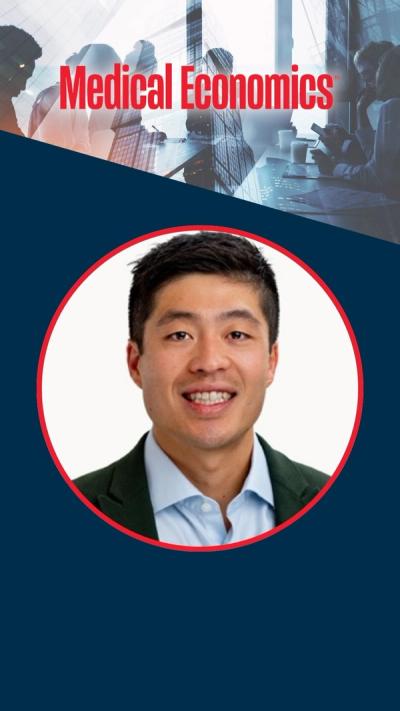
The future of ASCs: more complex procedures, more cost savings
2 months ago
by
Alex Taira
0:37
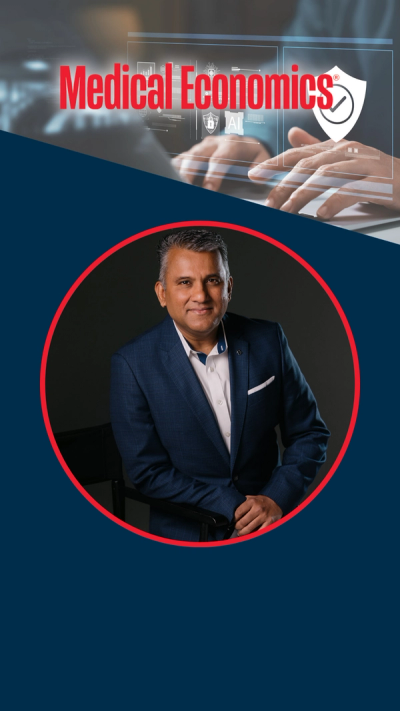
Patients will find another doctor instantly
2 months ago
by
Amol Nirgudkar
1:00
Is this a warning sign of dementia?
2 months ago
by
Anna Chodos, M.D.
1:15
Why physician control equals better care
2 months ago
by
Alex Taira
0:35
ASC data reporting requirements
2 months ago
by
Alex Taira
0:31
Stop wasting your practice's marketing budget
2 months ago
by
Amol Nirgudkar
0:44
Most practices convinced they're overstaffed aren't
2 months ago
by
Shawntea Gordon, MBA, FACMPE
0:34
What to do after a dementia diagnosis
2 months ago
by
Anna Chodos, M.D.
1:27
The next 10 years of surgery in ASCs: $84 billion in projected savings
2 months ago
by
Alex Taira
0:45
Why the next care model won't come from D.C.
2 months ago
by
Wayne Winegarden, Ph.D.
Podcasts









Advertisement
More News


A new UC Riverside study links dollar store food quality to higher rates of obesity, high blood pressure, increased cholesterol levels and type 2 diabetes.

Retrospective data are not irrelevant, but primary care needs AI and advanced analytics to treat real-world patients in real time.

Compete on your terms to beat the local behemoths

Here’s how AI hallucinations are creating a patient safety problem no one is talking about.

Insurers pledged six fixes to prior authorization in June 2025. A year later, only 24% of physicians say denials are getting the specialty-matched review that was promised first.

Cracking down on hidden prior auth rules: What’s new and what’s needed
Published: | Updated:
AMA says new guidance from CMS closed gaps documented in health plans' public prior authorization disclosures, but the work isn't finished.

Inovalon surveyed more than 370 revenue cycle leaders in February 2026 about how prior authorization actually runs inside their organizations. The numbers say the process has barely modernized.
A physician recruitment leader discusses what keeps doctors working happily in practices and health care organizations.

When ChatGPT names an independent practice, the words describing it usually come from sources the practice doesn’t control.

The BP Go device measures blood pressure through the finger instead of a traditional arm cuff, and Wellvii says the clearance supports its push into remote patient monitoring.
Is your recruiting working? Trent Cotton explains the 3 data points that will tell you whether you are winning or losing the recruiting game.

Seventy-nine percent of independent practice leaders say technology is what keeps them independent. Only 64% trust the tools they already have. Veradigm's Aaron Ledbetter explains what sits inside that gap, and why a denied claim still takes one to two weeks to reach the physician it belongs to.

A third straight year of survey data shows patient standards transforming into hard filters — and increasingly, it's AI doing the filtering.

The clinical data to identify mismatched coverage — and fix it before it becomes bad debt — is already sitting in your EHR.

A physician forecasts the effects of artificial intelligence as Medicare sets new rules starting next year.
Jay Bregman of Andel says direct-to-employer purchasing takes prior authorization out of the prescription entirely, but the price a patient gets is tied to an employer's willingness to keep paying.

Three in four patients now refuse to book with a provider rated below 4 stars

The order sorts childhood immunizations into three categories, calls for separate visits and points the attorney general at state exemption laws.

Patients read normalizing language as a signal that treatment isn't recommended, new research finds.

Staffing at medical practices has become one of the biggest challenges they face. Dina Taylor explains why.

Shawntea Gordon of Atlas & Perpetua Healthcare Consulting says the cost most practices cut first is usually the one that was never the problem.
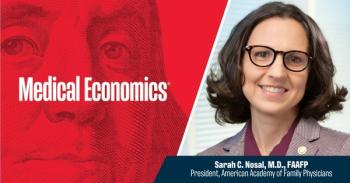
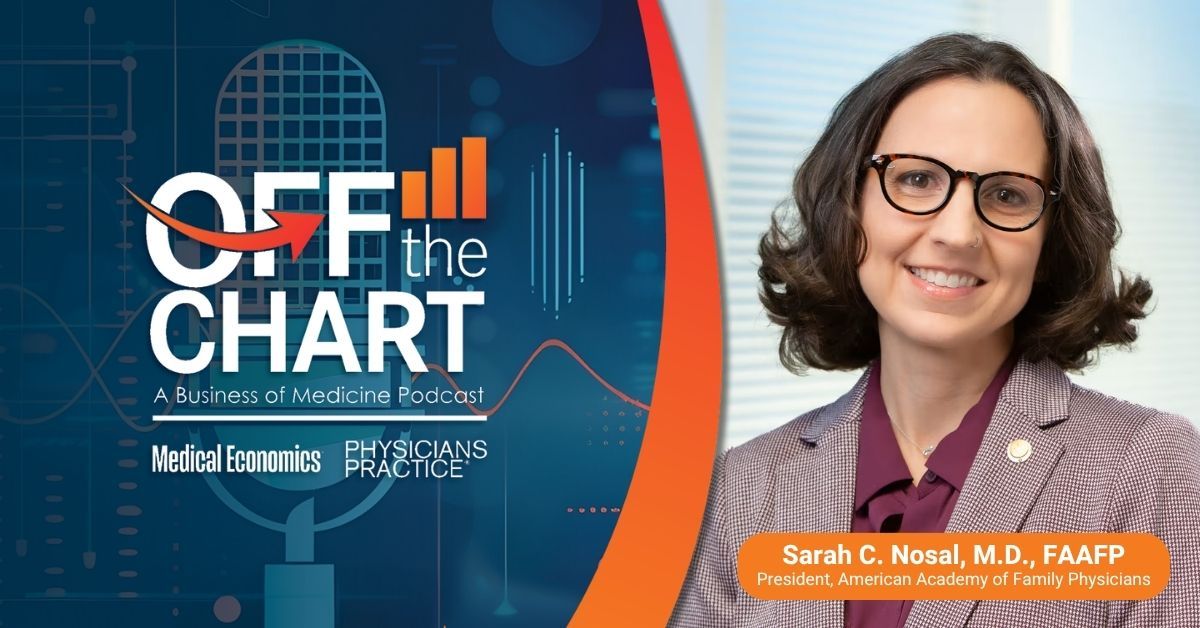
AAFP President Sarah C. Nosal, M.D., says family physicians should work from the academy's vaccine schedule and that the counseling required to explain it is time practices aren't paid for.
The top news stories in medicine this week.
Advertisement
Advertisement
Trending on Medical Economics
1
The 10 biggest federal policy threats facing physicians in 2027
2
From skin scan to prescription: AI acne prescribing launches in Utah
3
‘The game’s over’ — Trump administration pushes for more health care price transparency
4
Do food-is-medicine programs work long term? Study links weekly groceries to lower blood pressure
5