





Cybersecurity
Latest News
Advertisement
Latest Videos

Shorts

0:54
The high stakes of AI in medical decision-making
3 days ago
by
Harley Sugarman
0:53
Can AI simplify complex healthcare policies?
10 days ago
by
Harley Sugarman
0:36
Why AI has expanded your data security risk
17 days ago
by
Harley Sugarman
0:49
Why most corporate training is useless
24 days ago
by
Harley Sugarman
1:04
Why healthcare workers bypass security rules
a month ago
by
Harley Sugarman
3:23
Hackers claim 284 million records from McKesson; misinformation is hurting patient care; Kennedy targets the AMA's CPT codes
a month ago
by
Austin Littrell
0:36
The worst-case scenario for AI in health care
a month ago
by
Harley Sugarman
0:47
How medical practices can reduce AI data risk
a month ago
by
Harley Sugarman

0:41
AI risks in health care may be narrower than you think
5 months ago
by
Asha Palmer, J.D., CCEP, LPEC
0:41
The hidden risks of shadow AI
5 months ago
by
Asha Palmer, J.D., CCEP, LPEC
Podcasts





Advertisement
More News

A ransomware-style disruption at one of medicine's largest device manufacturers is the latest reminder that a hack three steps removed from your exam room can still cancel a procedure on your schedule.

IC3 and Verizon data show 642 ransomware and data breach incidents hit healthcare in 2025, as AI-fueled phishing and a pending HIPAA Security Rule overhaul raise the stakes for providers.

Anagram Security founder and CEO Harley Sugarman explains how everyday AI use can expose patient data — and what physician practices can do to reduce the risk.

A four-point plan to focus attention on cybersecurity without a complete network overhaul.

Skillsoft's Asha Palmer, J.D., on why clinicians keep reaching for unsanctioned AI, what risks practices are actually underestimating and how to build governance that sticks.

A new Paubox analysis of every email-related breach reported to federal regulators last year points to the same foundational failures, over and over.
Cyber insurance provided through a malpractice or business insurance policy often caps coverage at $10,000 or $50,000 and excludes important risks most likely to hit a practice, like social engineering fraud.

Data breaches in medical records leads to identity theft and ransomware threats. Don’t let your practice be a victim.

A conversation with Peter Reilly, North American Healthcare Practice Leader, HUB International

Whether you like it or not, cybersecurity is a big part of practicing medicine in 2026

A practical guide for physicians and practice managers.

Health care organizations are increasingly targeted by cybercriminals, putting sensitive patient data and practice operations at risk, prompting experts to urge stronger defenses and comprehensive cyber liability protection.

As cyberattacks grow more sophisticated, physician practices face mounting risks that can jeopardize patient trust, data security and financial stability.
Cyberattacks can halt operations, trigger fines and erode patient trust. These four steps can help practices prepare, respond and recover when the inevitable breach occurs.

Why protecting patient privacy in the cloud needs to be a health care imperative

Nearly all small health care organizations believe they’re HIPAA compliant, but most face major cybersecurity risks and possible penalties, a Paubox study warns.

The trust between physicians and patients extends to the handling of medical records.

Health care practices need to navigate new regulations, emphasizing AI and cybersecurity to enhance patient care, comply with HIPAA, and optimize telehealth services.
A new survey of health care executives shows most organizations are underprepared for AI-powered cyberattacks and blind to software supply chain vulnerabilities, even as breaches and business impacts rise.

A new Paubox report reveals a dangerous disconnect between health care leaders' confidence in email security and the widespread vulnerabilities still putting patient data at risk.

Most health care leaders now believe a deadly incident is inevitable within five years, raising alarms about outdated systems, staffing shortages and limited cybersecurity preparedness across the industry.
Despite rising guardrails, health care workers continue using personal artificial intelligence and cloud apps — often in ways that violate HIPAA and put patients’ trust at risk.
Cloud computing can transform medical practices by offering cost-effective, scalable solutions while ensuring HIPAA compliance and enhancing patient care.

How zero-trust security protects your medical practice from inside out.
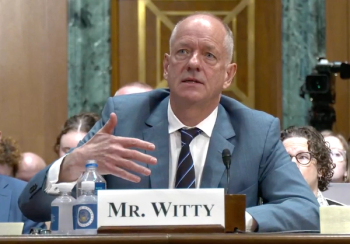
Physicians say they still feeling effects of massive computer breach at insurance giant.
Advertisement
Advertisement
Trending on Medical Economics
1
The best hotel rewards programs for conference season, ranked
2
Less paperwork, better teams: AMA honors 92 health organizations for fighting physician burnout
3
U.S. health care's 'tragedy of the commons' leaves primary care 20% short by 2038, Trilliant Health report finds
4
10 ways health care is working against physicians
5