


Slide Shows
14 days ago
10 hidden costs of switching EHRsLatest News

Oct 26, 2026 | Blog
When your practice's AI hits its usage limit, shadow AI becomes a HIPAA risk

Florida's dengue outbreak: What physicians need to know now
Oct 26, 2026

How to advertise your practice without leaking patient information
Oct 26, 2026

Is every location in your multi-site practice profitable? How to tell
Oct 26, 2026

Two cyber alerts in one week: What physicians need to do about PHP2Shell and the Quest Diagnostics breach
Oct 23, 2026




Advertisement
Shorts

0:37
One problem per visit? How practices are reading Medicare's same-day pay cut
15 hours ago
by
Shawntea Gordon, MBA, FACMPE
1:08
The scary reality of AI error rates in medicine
19 hours ago
by
Jay Anders, MD

2:52
Chiropractor accused of posing as doctor in $2B fraud bust; Big Tech backs prior auth fixes; CMS can now exclude physicians
4 days ago
by
Austin Littrell

1:00
Is your telehealth doctor real?
4 days ago
by
Matt Welling

0:48
Why cost is now the biggest barrier to interoperability
5 days ago
by
Sandra Johnson

0:43
Are medical whisteblowers just bounty hunters?
6 days ago
by
George Breen
0:55
The real results of AI in health care
6 days ago
by
Gena A. Graves, D.H.Sc., M.A., B.S.
0:31
Is AI making hiring impossible?
7 days ago
by
Dina Taylor

1:24
The one question every manager should ask
8 days ago
by
Stu Schaff, FACMPE, FHFMA

1:12
Keep a human in the loop when AI screens applicants
8 days ago
by
Dina Taylor



Medical Device and Technology






Latest Videos






Medical Economics Digital Edition

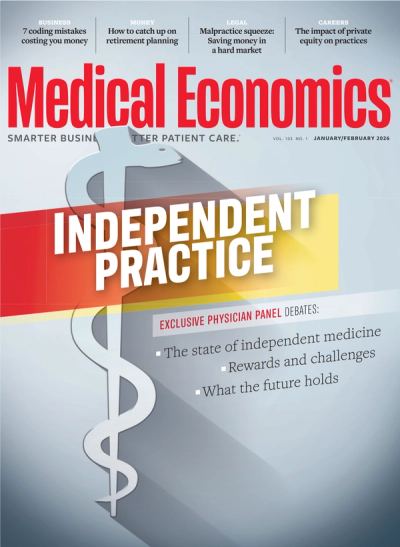
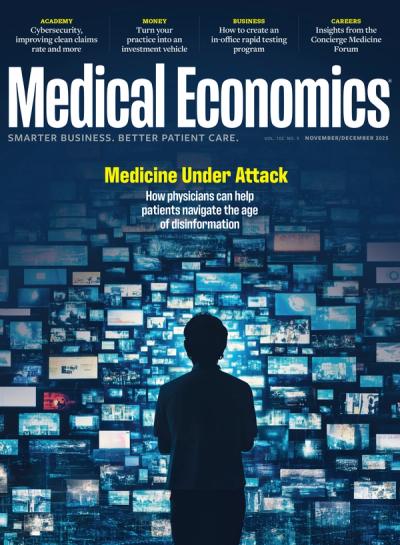
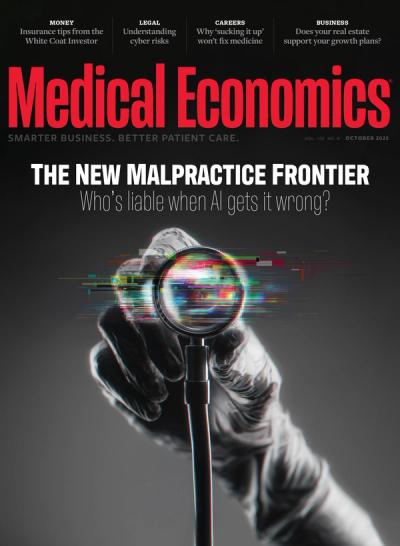
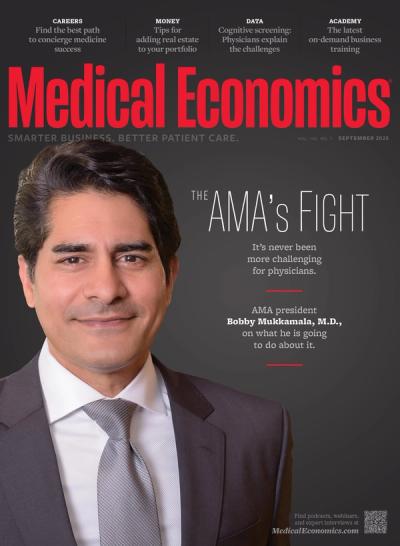

All News
Advertisement


What do physicians need to counter burnout and misinformation? Time with patients
If Medicare cuts surgeon pay, it does not follow that Medicare should also cut reimbursement for primary care.

HFMA proposes ‘Declaration on Healthcare Affordability and Sustainability’ as physicians and patients feel the squeeze.

Prescription abandonment climbs sharply as out-of-pocket costs rise, and prior authorization delays push more patients away. Showing cost and coverage at the point of prescribing could change whether patients ever start therapy.

An AI system that simulates a panel of physicians reached the correct diagnosis in about 80% of test cases, compared with 36% to 47% for generalist physicians, though researchers caution the results come from a controlled, text-only benchmark rather than real-world practice.

From opt-out handling and consent records to encryption and carrier registration, here's what a compliant patient texting system needs and the questions to ask before choosing a vendor.

Physicians have embraced ambient documentation faster than almost any technology before it. But every note it writes carries your signature, and lawyers, auditors and patients are starting to read those notes closely.

The Kirksville center's grant arrives weeks before maternity care billing splits into separate services Jan. 1.

Physician groups in risk contracts often learn what they owe months or years after the fact. Medical Economics spoke with Najib Jai, M.D., MBA, chief operating officer of Arbital Health, about why settlements turn into disputes and how actuarial AI tracks contract performance while the year is still underway.
Advertisement
Advertisement
Trending on Medical Economics
1
Florida's dengue outbreak: What physicians need to know now
2
AI system outperforms physicians on diagnostic accuracy in Microsoft study
3
Pay cuts, payer AI and the staff who keep leaving: What we heard at MGMA's 100th annual conference
4
Your AI scribe is saving you time. Is it also building the case against you?
5