






Careers
Latest News
Advertisement
Latest Videos








Shorts
1:19
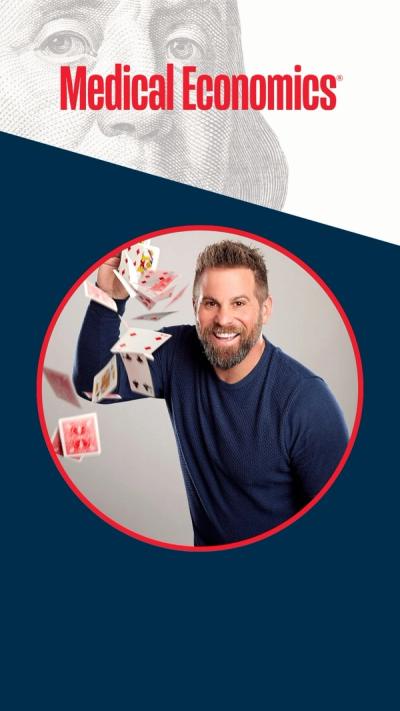
Why Jon Dorenbos says losing his dream job saved his life
15 hours ago
by
Jon Dorenbos
0:56
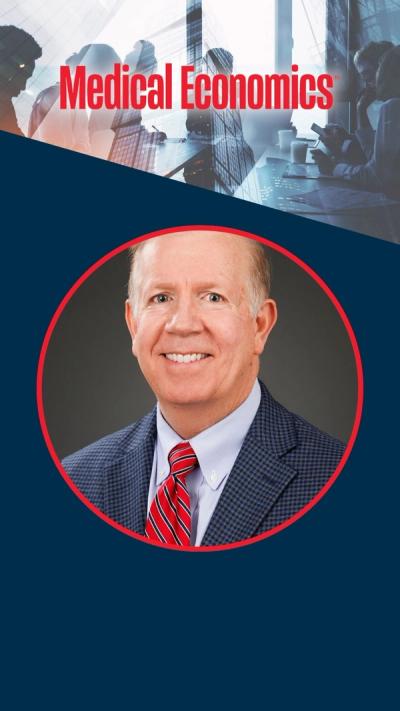
Why culture (not pay) is the key to retention
13 days ago
by
Jeff Whitehorn, MBA, LFACHE, ACC
0:41
Former NFL long snapper Jon Dorenbos says happiness is a choice he makes every morning
15 days ago
by
Jon Dorenbos
0:40
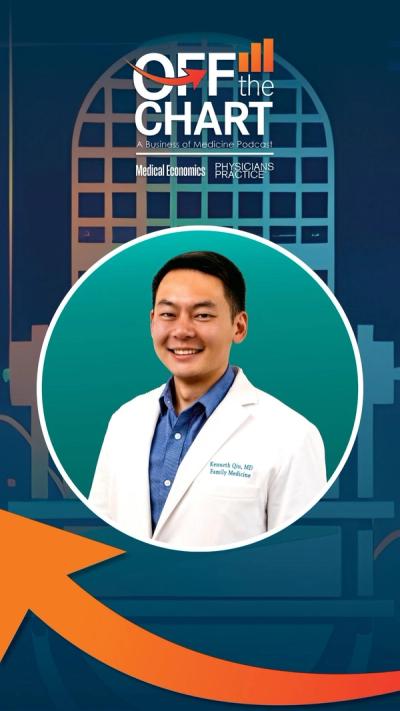
Why direct primary care isn’t concierge medicine
15 days ago
by
Kenneth Qiu, M.D.
1:13
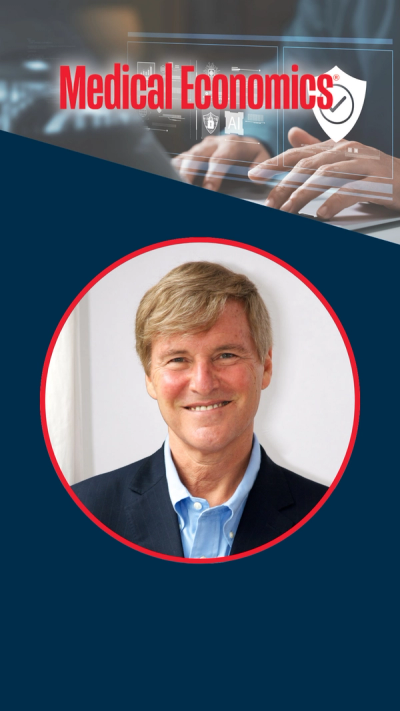
How doctors can monetize their audience
a month ago
by
Leigh Steinberg
0:51
The huge opportunity in medical branding
a month ago
by
Leigh Steinberg
0:45
Why your retention strategy is failing
a month ago
by
Carey Goryl, MSW, CAE, CPRP
1:13
Why doctors make the best influencers
a month ago
by
Leigh Steinberg
0:53
Are you tracking 'days to fill'? (You should be)
a month ago
by
Carey Goryl, MSW, CAE, CPRP
1:35
You don't need research to fix unhealthy workplace culture
2 months ago
by
Carey Goryl, MSW, CAE, CPRP
Podcasts






Advertisement
More News
What do physicians need to counter burnout and misinformation? Time with patients

Rural docs say they need help as 'adequate' physician presence becomes the exception, not the norm.

What a new analysis of federal NPI registry data shows about the rise of nurse practitioner-owned practices

Leaders of the Illinois College of Osteopathic Medicine at The Chicago School say students have to learn the health care system as it works today while training to change it.

The Illinois College of Osteopathic Medicine at The Chicago School welcomed its first class of 91 students in July, with mental health built into all four years of training. Medical Economics spoke with John Lucas, D.O., and Michele Nealon, Psy.D., about whole-person care, burnout and the stigma physicians face in seeking help.
Fifty-nine percent of health care workers say they're likely to look for a new job in the next year, but employers estimate 39%.

From AI scribes and coding habits to the claims payers quietly cut, these are the lessons physicians can take from four days of sessions and interviews at the Medical Group Management Association's centennial meeting.

Coding scrutiny, payment gaps and a push for price caps show up across Trilliant Health's annual look at where U.S. health care is headed.

Trilliant Health's annual trends report traces primary care shortages, payment gaps and looming price caps to incentives no single stakeholder has reason to fix.
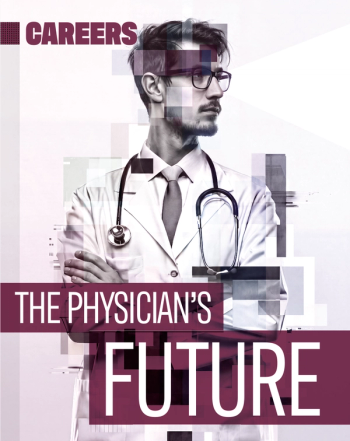
Medicine has never moved this fast. How much of the next decade has already been decided, and what’s still open?
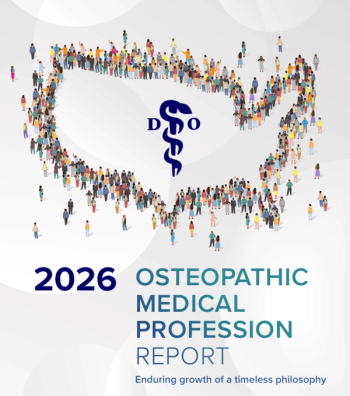
Report: Osteopathic profession leads youth movement as workforce grows across U.S. health care.

Nearly 54 percent lower costs for adults with chronic disease. Four experts on why primary care still gets under 5% of health care spending.

The Grammy-nominated songwriter traced his path from Belfast during the Troubles to the front of INXS, then walked practice leaders through what he says the best bands do differently.

Acting chief executive Akash Madiah credited practice leaders for outcomes patients never see, and the session's emcee offered a patient's account of two years of doctor visits.
Four forces created the perfect storm to sink physician-owned medicine. There are policies that could help keep it afloat.

UA Little Rock and NYITCOM's eight-year D.O. pathway replaces the MCAT with four years of GPA benchmarks, but leaders say in-state residency slots will decide whether graduates stay.

The vast majority of physicians are now employed, and it's changing how they treat patients and how they go about their job

Median work RVUs rose no more than 2.8% in any group, while nearly 65% of surveyed organizations plan to add physicians in the coming year.
Revenue per patient is a common way to split practice profit. It’s also the wrong way.
MGMA’s 100th-anniversary conference runs Sept. 27-30 in San Antonio, and these 10 sessions put physician contracts, compensation and legal exposure on the table.

A new Physicians Foundation survey finds 36% of physicians say they or a colleague feared seeking mental health care because of questions on licensing, credentialing or insurance applications.

The second annual Healthcare Workforce Barometer finds employers underestimating how many employees are ready to move, while interest in AI skills cools on both sides.

Three health policy leaders argue that strengthening primary care payment isn't an attack on specialists — it's the fix the whole system needs.

What counts as a qualifying employer, whether residency payments count and which repayment plans still earn credit after the 2026 overhaul.
Independent primary care is struggling under a payment system stacked against it
Advertisement
Advertisement
Trending on Medical Economics
1
Florida's dengue outbreak: What physicians need to know now
2
Because the heart part is the hard part: an approach for improved advance directive discussions
3
Why physicians are fighting the Medicaid work rule
4
What physician practices should know before hiring a military doctor
5