




Industry Trends
Latest News
Advertisement
Latest Videos

Shorts
1:00
How to address patient skepticism about AI
2 days ago
by
Gena A. Graves, D.H.Sc., M.A., B.S.
1:09
Would universal health care save money?
a month ago
by
Rebecca Schoon, Ph.D.
1:11
Why I chose to tackle this massive medical problem
2 months ago
by
Ned Swanson, M.D.
1:09
What is it like for a physician to work in biotech?
2 months ago
by
Ned Swanson, M.D.
1:04
The 'copycat' problem in medical skin substitutes
2 months ago
by
Ned Swanson, M.D.
5:00
The CDC's new director inherits a 47-state outbreak
2 months ago
by
Austin Littrell
1:09
Addressing fraud in the wound care industry
2 months ago
by
Ned Swanson, M.D.
1:54
Why U.S. health care has become a 'monster'
2 months ago
by
Joanne Frederick
1:05
Why diabetic ulcers destroy quality of life
3 months ago
by
Ned Swanson, M.D.
0:34
Why patient's own skin is the future of wound care
3 months ago
by
Ned Swanson, M.D.
Podcasts



Advertisement
More News

In a 13-patient test, an AI chat app answered questions about patients' brain data, and their feedback cut simulated false seizure alarms by 80%.

The proposal from Rep. Frank Pallone Jr. would end independent dispute resolution for care delivered starting in 2028.

A NAACOS and Innovaccer survey of 116 leaders also found only 21% are tracking which of their patients have enrolled in the new chronic care model.

Leaders of the Illinois College of Osteopathic Medicine at The Chicago School say students have to learn the health care system as it works today while training to change it.

The Illinois College of Osteopathic Medicine at The Chicago School welcomed its first class of 91 students in July, with mental health built into all four years of training. Medical Economics spoke with John Lucas, D.O., and Michele Nealon, Psy.D., about whole-person care, burnout and the stigma physicians face in seeking help.

Health care was the only one of five sectors to cut spending commitments this spring, falling 2.8% as hospitals faced rising supply costs and physicians awaited the final 2027 Medicare fee schedule, Coupa's Business Spend Index found.

Urban Institute analysis finds 26% of insured adults owe medical debt, with hospitals the largest source

Medical Economics spoke with Monique Delgado, former CEO of Integrated Medical Services, about where salary-only pay falls short, which metrics to tie incentives to and how to change physician pay without eroding trust.

The American Medical Association recognized 92 hospitals, health systems and medical groups for system-level work to reduce burnout and support physician well-being.
Fifty-nine percent of health care workers say they're likely to look for a new job in the next year, but employers estimate 39%.
What it takes for health systems and health plans to stay visible when an AI model is the one making the recommendation.

From AI scribes and coding habits to the claims payers quietly cut, these are the lessons physicians can take from four days of sessions and interviews at the Medical Group Management Association's centennial meeting.

Coding scrutiny, payment gaps and a push for price caps show up across Trilliant Health's annual look at where U.S. health care is headed.

Trilliant Health's annual trends report traces primary care shortages, payment gaps and looming price caps to incentives no single stakeholder has reason to fix.

Nolla Health claims it has the nation’s first approval for artificial intelligence to issue initial prescriptions. Physician review comes later.
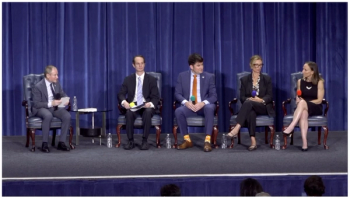
HHS finalizes price transparency updates as employers push insurance vendors to open the books.
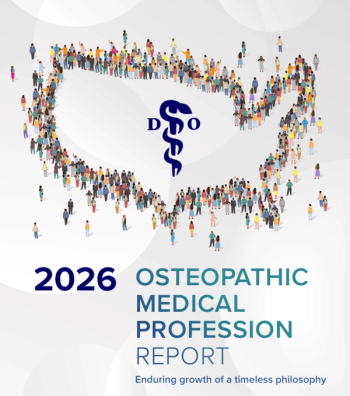
Report: Osteopathic profession leads youth movement as workforce grows across U.S. health care.

From a same-day payment cut to AI-run prior authorization in traditional Medicare, MGMA's government affairs team laid out what Washington has in store for physicians next year.
Nearly 54 percent lower costs for adults with chronic disease. Four experts on why primary care still gets under 5% of health care spending.

It’s no surprise costs are outpacing revenues. Here are three strategies to bring in more income.

MGMA's government affairs staff walked through the fee schedule, value-based care, prior authorization, Medicaid and the year-end fight in Congress.
Four forces created the perfect storm to sink physician-owned medicine. There are policies that could help keep it afloat.

What do providers owe patients when a GLP-1 is out of reach? At the very least, they should stay informed.

What if a greater number of reported safety events actually meant a hospital is safer for patients?

U.S. health care has a patient loyalty problem hiding in plain sight, says a new report based on a survey of 10,000 consumers.
Advertisement
Advertisement
Trending on Medical Economics
1
Kansas executive sentenced in Medicare brace scheme; teen vaping's gender gap flips; sticker shock in the nursery — Morning Medical Update
2
How unbundled maternity care codes could change OB/GYN pay in 2027
3
'You're willing to help the team, but only for so long': What rural physicians need to stay
4
What is a backdoor Roth IRA?
5