Urban Institute analysis finds 26% of insured adults owe medical debt, with hospitals the largest source
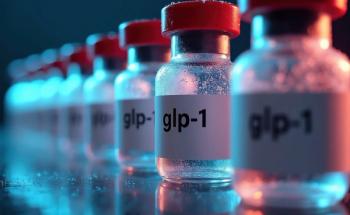
The direct-to-employer model gets GLP-1s to patients without a pharmacy benefit manager or prior authorization, but the discounted price can disappear when a patient leaves the job.
Direct-to-employer drug purchasing lets employers buy brand-name drugs straight from the manufacturer, bypassing the
Medical Economics sat down with founder and CEO
Related content:
For clinicians, Bregman's pitch leans on what's removed rather than added. Because Andel runs a licensed pharmacy on the
However, access is tied to a job and an employer's willingness to keep paying. Bregman says COBRA — that is, the
The conversation also covers why Bregman argues traditional coverage barely works in practice (by his account, fewer than 2% of plan members get access even when GLP-1s are covered), how Andel's data feed to plans differs from direct-to-consumer channels (a claim an outside party can't yet verify), and where the model sits alongside the new Medicare GLP-1 Bridge, which begins July 1 and extends $50-a-month access to eligible Medicare Part D beneficiaries through the end of 2027.