




Chronic Condition Management
Latest News
Advertisement
Latest Videos




Shorts
0:40
The mixed messages patients get after a diagnosis
6 days ago
by
Dean Erhardt
0:52
Why price checks after the visit lead to unfilled prescriptions
12 days ago
by
Joseph Kleiman
0:36
Dementia is not a dead end. Here's what you can do.
a month ago
by
Anna Chodos, M.D.
0:36
Primary care is the frontline for dementia
a month ago
by
Anna Chodos, M.D.
0:37
The hardest part of a dementia diagnosis
2 months ago
by
Anna Chodos, M.D.
1:11
Why I chose to tackle this massive medical problem
2 months ago
by
Ned Swanson, M.D.
1:00
Is this a warning sign of dementia?
2 months ago
by
Anna Chodos, M.D.
1:09
What is it like for a physician to work in biotech?
2 months ago
by
Ned Swanson, M.D.
1:04
The 'copycat' problem in medical skin substitutes
2 months ago
by
Ned Swanson, M.D.
0:34
What to do after a dementia diagnosis
2 months ago
by
Anna Chodos, M.D.
Podcasts



Advertisement
More News

Behavioral health has historically taken a back seat to physical health in primary care. That approach is shifting, as growing evidence underscores the importance of whole-person well-being in improving patient outcomes, strengthening care coordination and advancing value-based care.
Two observational studies presented at the European Association for the Study of Diabetes annual meeting tie a red meat–derived sugar called Neu5Gc to a 63% higher type 2 diabetes risk. They also link low ultra-processed food intake and guideline-level exercise to lower risk, even in people at high genetic risk.

Panelists at the Sept. 17 briefing said billing codes for two-way shipping and payment for patient navigators are still missing, with most insurers required to cover self-collected HPV tests starting Jan. 1, 2027.

What do providers owe patients when a GLP-1 is out of reach? At the very least, they should stay informed.

A randomized trial found a FORTA-based, pharmacist-led medication review sharply reduced inappropriate prescribing, overuse and underuse among older cancer patients with polypharmacy.

How primary care can bring cancer-screening logic to cognitive health on World Alzheimer’s Day (and every day).

RFK Jr. appoints members to fill a panel that has not met in more than a year, but is influential on primary care.

A study published in Advanced Science used three AI models to screen thousands of approved drugs, identifying nine that inhibit Streptococcus pneumoniae, a bacterium increasingly resistant to antibiotics.
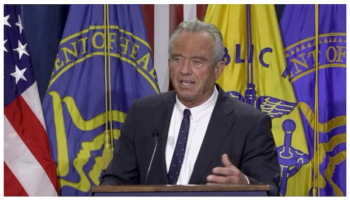
Top HHS leaders introduce ACCESS model with discussions of patient health, costs and technology.

Rigid adherence thresholds in CMS's updated coverage decision leave doctors and suppliers guessing — and vulnerable patients at risk of losing a life-extending therapy


Digital mental health tools can widen access to care, but they also create clinical and administrative work — enrollment, data review, escalation, documentation — that rarely gets budgeted for before launch.

Despite major problems across U.S. health care, evidence shows what primary care is getting right.

Considering that a family physician's office is often the first—and sometimes only—place where patients discuss mental health concerns, adding such services within a primary care setting makes sense for both the practice and the communities it serves.

A new UC Riverside study links dollar store food quality to higher rates of obesity, high blood pressure, increased cholesterol levels and type 2 diabetes.
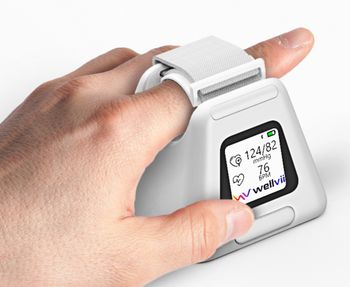
The BP Go device measures blood pressure through the finger instead of a traditional arm cuff, and Wellvii says the clearance supports its push into remote patient monitoring.

The clinician shortage is real, but there are other reasons why mental health referrals often go nowhere.

Medicare's proposed 2027 reimbursement rates would fall below the cost of RPM devices, risking declines in physician pay and patient health
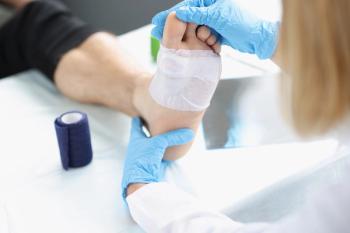
A surgeon and biotech leader discusses the role of primary care doctors in wound care.

A pediatrician offers advice on diagnosing the illness and discussing it with patients.

A surgeon and biotech leader discusses the role of primary care doctors in wound care.

Health care fraud, new payment models and AI are all in play in evolution of accountable care
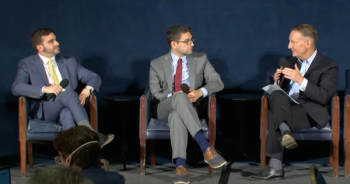
Access, AI and accountable care are part of now and the future, CMS leaders say.

The multicenter study is evaluating whether localized cryotherapy, guided by AI-enabled imaging, can stabilize non-obstructive high-risk plaques before they trigger a heart attack.

Patient demand is high, but distinctions are fuzzy about compounded GLP-1s. Primary care physicians can help
Advertisement
Advertisement
Trending on Medical Economics
1
From skin scan to prescription: AI acne prescribing launches in Utah
2
Do food-is-medicine programs work long term? Study links weekly groceries to lower blood pressure
3
The physician's future: A profession rewritten
4
More and more patients are paying cash for GLP-1s
5