




Policy
Latest News
Advertisement
Latest Videos



Shorts
2:55
Plague fears in Russia; AI writes acne prescriptions in Utah; FTC warns hospitals on prices
3 days ago
by
Austin Littrell
3:03
CMS cancels 760,000 ACA enrollments; bill targets corporate-owned practices; physician pay climbs
17 days ago
by
Austin Littrell
0:44
Medicare's AI denied 5,944 claims
20 days ago
by
Austin Littrell
1:00
The government is building an AI that writes prescriptions
21 days ago
by
Austin Littrell
0:52
The Medicare pay cut only Congress can fix
21 days ago
by
Anders Gilberg
2:58
AI's builders ask for a slowdown; Medicare's AI prior auth pilot denied 5,944 requests; 59% of health care workers plan to job hunt
24 days ago
by
Austin Littrell
1:09
Would universal health care save money?
25 days ago
by
Rebecca Schoon, Ph.D.
0:55
Congress wants to pay primary care monthly and keep AI out of denials
a month ago
by
Austin Littrell
3:53
Marshall's practice sued 700 patients; patients trust their own doctor over Washington; two bills on PCP pay and AI denials
a month ago
by
Austin Littrell

0:40
Inflation is a tax on independent practice
a month ago
by
Wayne Winegarden, Ph.D.
Podcasts

Advertisement
More News

Trilliant Health's annual trends report traces primary care shortages, payment gaps and looming price caps to incentives no single stakeholder has reason to fix.

Nolla Health claims it has the nation’s first approval for artificial intelligence to issue initial prescriptions. Physician review comes later.

Medical Economics spoke with MGMA's Madison Hynes about the association's draft bill to ban automatic downcoding, the Patients First Act and AI-run prior authorization in traditional Medicare.
HHS finalizes price transparency updates as employers push insurance vendors to open the books.

Medicine has never moved this fast. How much of the next decade has already been decided, and what’s still open?

EBRI data show employer plans pay hospital outpatient departments about twice what physician offices receive for the same physician-administered drugs, and the commercial market has barely begun to address the gap.
From a same-day payment cut to AI-run prior authorization in traditional Medicare, MGMA's government affairs team laid out what Washington has in store for physicians next year.

The American Medical Association and five specialty societies say casting AI as smarter than physicians diminishes their expertise, a day after the health secretary praised AI second opinions.

Nearly 54 percent lower costs for adults with chronic disease. Four experts on why primary care still gets under 5% of health care spending.

MGMA members described capping Medicare Advantage contracts and favoring commercial patients, while one Texas practice leader reluctantly called Medicare her best payer.
At an MGMA Government Affairs town hall, attendees raised extrapolated audits, employer plans beyond state reach and denials with no reason codes.
A fallback version would make insurers prove upcoding, notify physicians and limit downcoding to 90 days.

Acting chief executive Akash Madiah credited practice leaders for outcomes patients never see, and the session's emcee offered a patient's account of two years of doctor visits.
MGMA's government affairs staff walked through the fee schedule, value-based care, prior authorization, Medicaid and the year-end fight in Congress.
Panelists at the Sept. 17 briefing said billing codes for two-way shipping and payment for patient navigators are still missing, with most insurers required to cover self-collected HPV tests starting Jan. 1, 2027.
Four forces created the perfect storm to sink physician-owned medicine. There are policies that could help keep it afloat.
Current quality programs measure organizations and claims after the fact, but the next generation of measurement focuses on the everyday clinical decisions that drive unnecessary spending.

Kidney care advocates praise new appointees; advocacy group notes the task force creates financial effects on patients.

A primary-care voucher model would pay practices upfront for predictable care and leave insurance to cover catastrophic risk, cutting administrative burden and giving physicians time back with patients.

How primary care can bring cancer-screening logic to cognitive health on World Alzheimer’s Day (and every day).
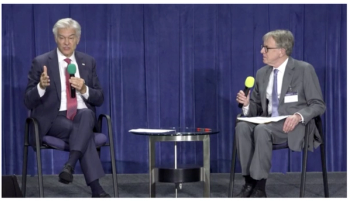
CMS chief says outcomes-based pay can help patients while finally ending physicians' box-checking frustration.

The 3-part federal plan targets costs, red tape and corporate consolidation across commercial health insurance.

RFK Jr. appoints members to fill a panel that has not met in more than a year, but is influential on primary care.
Advertisement
Advertisement
Trending on Medical Economics
1
How Chicago's first new medical school in nearly a century is training doctors to treat mental and physical health together
2
Why is healthcare spending declining in 2026?
3
Russian lab worker's death sparks plague fears; Utah lets AI write first-time prescriptions; FTC warns 24 health systems on hidden prices — Morning Medical Update Weekly Recap
4
Medicare is ignoring the real cost of joint replacements — and that’s a primary care problem too
5