






Policy
Latest News
Advertisement
Latest Videos
Shorts
0:40
Why 1/3 of patients can't afford their medication
4 months ago
by
Joseph Kleiman
1:07
Doctors have a desire for private practice — but can't afford to do it
4 months ago
by
Jack Feltz, M.D.

1:11
Is administrative waste ruining U.S. health care?
4 months ago
by
Joanne Frederick
1:07
Why current health care competition is failing
4 months ago
by
Jack Feltz, M.D.

3:11
ADA ousts researchers then apologizes; Medicare Advantage reverses 95% of appealed denials; AMA takes on AI and corporate medicine — Morning Medical Update Weekly Recap
4 months ago
by
Austin Littrell

0:42
Why trust in public health is collapsing
4 months ago
by
David Dodd
0:57
What is the TRICARE program?
4 months ago
by
Joanne Frederick
0:42
The hard conversation we need to have about AI in health care
4 months ago
by
Joanne Frederick
3:00
CMS finalizes Medicaid work requirements; Trump's AI order and what it signals; how Americans really read drug labels — Morning Medical Update Weekly Recap
5 months ago
by
Austin Littrell

1:23
Why social factors impact health more than medical care
5 months ago
by
Dhruv Khullar, MD, MPP
Podcasts



Advertisement
More News

Physicians Advocacy Institute study finds just 18% of doctors work in physician-owned practices.

AMA survey finds prior authorizations are killing physician trust in insurers, along with patient care.

A new American Medical Association survey ranks the country's largest commercial health insurers by the prior authorization burden they impose on physician practices.

Here’s how three states used Medicaid policies to cut costs and improve accountability by reining in pharmacy benefit managers

Federal borrowing caps, the end of SAVE and a new income-driven repayment plan begin reshaping the federal student loan system this summer.
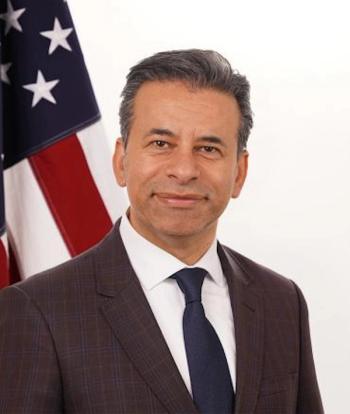
Makary pledged an FDA science makeover, but the job comes with political pressure too.

No physician wants to write a prescription that their patient can’t afford. But having affordability information, such as co-pays and vouchers or discounts, embedded into the EHR encourages better conversations between patients and providers about medication costs and support options.

GeoVax President and CEO David Dodd makes the case that the U.S. vaccine system isn't quite broken, but it is badly in need of better communication, clearer processes and a lot more listening.

The top news stories in medicine this week.

Orthopedic surgeon and author Erica Rowe Urquhart, M.D., Ph.D., MBA, joins Melissa Lucarelli, M.D., FAAFP, for a candid conversation about what's really working against physicians and their patients.


Veradigm’s survey of 360 practice leaders finds operational and financial pressures, not clinical concerns, are the top threats to independence.

Arrow founder and CEO Roshan Patel explains why health care payment processing is a mess, and what practices can actually do about it.

Panacea Financial's 2026 customer survey shows the financial strain of medicine doesn't ease with attending salary.

What exactly are the steps for getting federal approval for new devices and technology?


Experity Chief Medical Officer Andrea Giamalva, M.D., FAAFP, says urgent care is becoming a broader front door to care.

Four primary care experts unpack a landmark report showing that investing in primary care isn't just good medicine — it's the most powerful cost-reduction strategy the U.S. isn't using.


CMS wants information on how physician-owned hospitals can participate in new payment model.


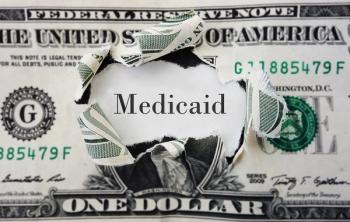
Two-thirds of health care finance chiefs cite government funding uncertainty as their biggest concern in Strata Decision Technology's 2026 report.
The top news stories in medicine this week.

The physician group is pushing for disclosure rules, FDA review, crisis-detection mandates and advertising limits on tools patients increasingly use for mental health support.
Advertisement
Advertisement
Trending on Medical Economics
1
Kansas executive sentenced in Medicare brace scheme; teen vaping's gender gap flips; sticker shock in the nursery — Morning Medical Update
2
How unbundled maternity care codes could change OB/GYN pay in 2027
3
Medicaid work requirements: 44% of members unprepared, survey finds
4
10 numbers show resident pay still falls short
5