






Policy
Latest News
Advertisement
Latest Videos

Shorts

0:54
Health care can learn from pizza delivery
3 months ago
by
Colin Banas, MD, MHA

0:33
The new era of healthcare collaboration
3 months ago
by
Sandra Johnson
2:59
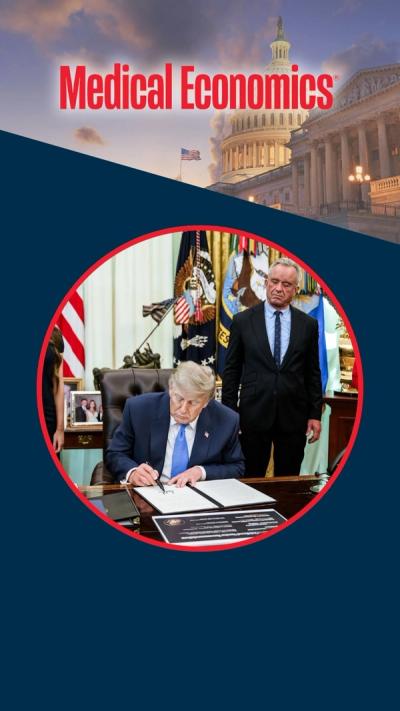
Trump's childhood vaccine executive order, explained
3 months ago
by
Austin Littrell

0:54
When should you see a doctor for diarrhea?
3 months ago
by
Molly O'Shea, M.D.
0:34
Why we are likely undercounting cyclospora cases
3 months ago
by
Molly O'Shea, M.D.

4:58
The problem with Trump's vaccine order — Morning Medical Update Weekly Recap
3 months ago
by
Austin Littrell
0:39
What gets lost when vaccines leave your office
3 months ago
by
Sarah C. Nosal, M.D., FAAFP
0:40
Stop treating interoperability like a project
4 months ago
by
Sandra Johnson
1:06
What patients really need from their doctor
4 months ago
by
Molly O'Shea, M.D.
1:21
AAFP's president was asked about spacing out vaccines. Six days later, Trump ordered it.
4 months ago
by
Sarah C. Nosal, M.D., FAAFP
Podcasts









Advertisement
More News

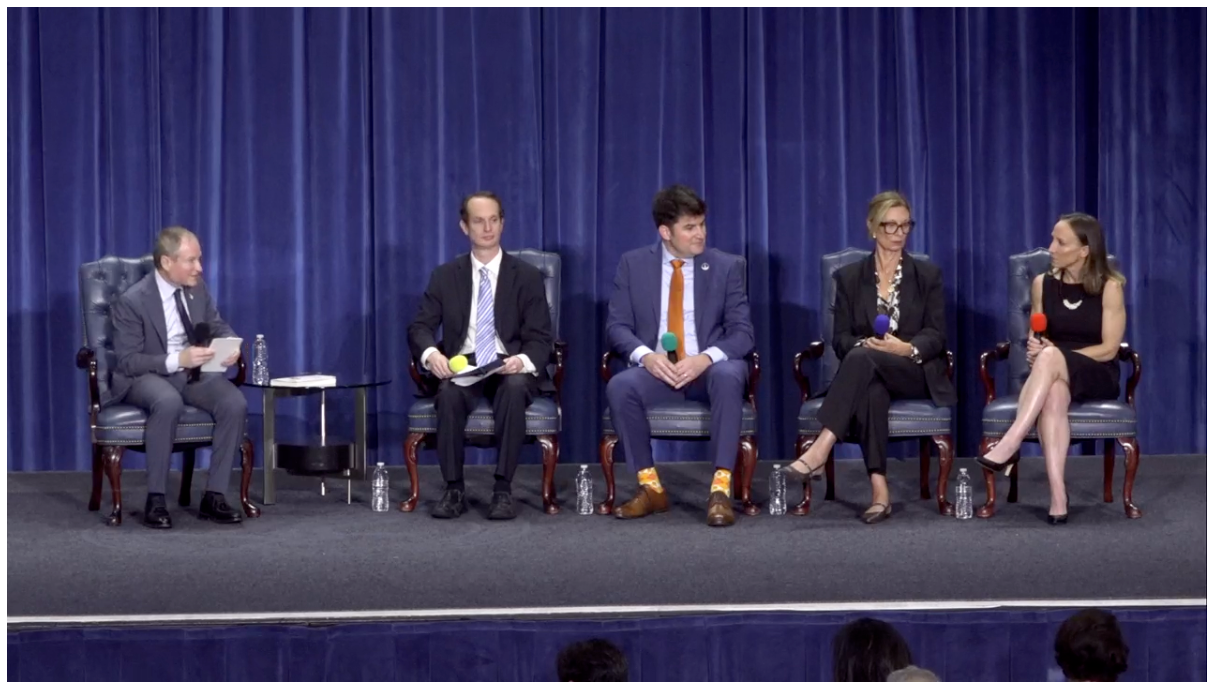
Nearly 54 percent lower costs for adults with chronic disease. Four experts on why primary care still gets under 5% of health care spending.

MGMA members described capping Medicare Advantage contracts and favoring commercial patients, while one Texas practice leader reluctantly called Medicare her best payer.

At an MGMA Government Affairs town hall, attendees raised extrapolated audits, employer plans beyond state reach and denials with no reason codes.

A fallback version would make insurers prove upcoding, notify physicians and limit downcoding to 90 days.

Acting chief executive Akash Madiah credited practice leaders for outcomes patients never see, and the session's emcee offered a patient's account of two years of doctor visits.

MGMA's government affairs staff walked through the fee schedule, value-based care, prior authorization, Medicaid and the year-end fight in Congress.

Panelists at the Sept. 17 briefing said billing codes for two-way shipping and payment for patient navigators are still missing, with most insurers required to cover self-collected HPV tests starting Jan. 1, 2027.

Sage Growth Partners CEO Dan D'Orazio says fee-for-service revenue still outweighs the penalties meant to move hospitals and physicians away from it, and he expects value-based care to make incremental gains at best.


Four forces created the perfect storm to sink physician-owned medicine. There are policies that could help keep it afloat.

Current quality programs measure organizations and claims after the fact, but the next generation of measurement focuses on the everyday clinical decisions that drive unnecessary spending.

Buzz Health President Joseph Kleiman says the prescriptions patients abandon due to cost rarely appear in a physician's workflow, and he attributes this to disconnected systems.

Kidney care advocates praise new appointees; advocacy group notes the task force creates financial effects on patients.

A primary-care voucher model would pay practices upfront for predictable care and leave insurance to cover catastrophic risk, cutting administrative burden and giving physicians time back with patients.

How primary care can bring cancer-screening logic to cognitive health on World Alzheimer’s Day (and every day).

Anders Gilberg of MGMA explains the same-day payment proposal sitting in Medicare's 2027 fee schedule, and why practices won't know its fate until the final rule lands around Nov. 1.
CMS chief says outcomes-based pay can help patients while finally ending physicians' box-checking frustration.

The 3-part federal plan targets costs, red tape and corporate consolidation across commercial health insurance.

RFK Jr. appoints members to fill a panel that has not met in more than a year, but is influential on primary care.

A new Physicians Foundation survey finds 36% of physicians say they or a colleague feared seeking mental health care because of questions on licensing, credentialing or insurance applications.

Ballard Spahr says the Hikma v. Amarin decision makes it harder for brand-name drugmakers to sue over "skinny label" generics — a shift likely to speed generic competition and lower costs for patients

Private insurance helps patients get care, but does not cover all costs, according to study by The Commonwealth Fund

Rebecca Schoon, Ph.D., who helped lead the Oregon arm of a national moral injury report, says patients can see what corporate ownership and insurer barriers are doing to their doctors.
Reactions from five leading organizations were among thousands of public comments on the draft document.
Advertisement
Advertisement
Trending on Medical Economics
1
Prior authorizations remain manual at most health systems despite widespread AI use, survey finds
2
How to open a medical practice without delays: 5 steps to take in the right order
3
10 things physicians are thankful for this Thanksgiving
4
How do income-driven repayment plans work?
5