


Policy
Latest News

Advertisement
Latest Videos
Shorts
0:42
Is infectious disease just part of life?
a month ago
by
Molly O'Shea, M.D.
4:20
Nearly 1 in 4 NFL players had CTE; first U.S. measles deaths of 2026; Dolly Parton's health care legacy
a month ago
by
Austin Littrell
1:24
The problem with federal health reporting — or lack of it
a month ago
by
Molly O'Shea, M.D.
0:34
Who should own hospitals: Physicians or bureaucrats?
a month ago
by
Gary Price, MD, MBA
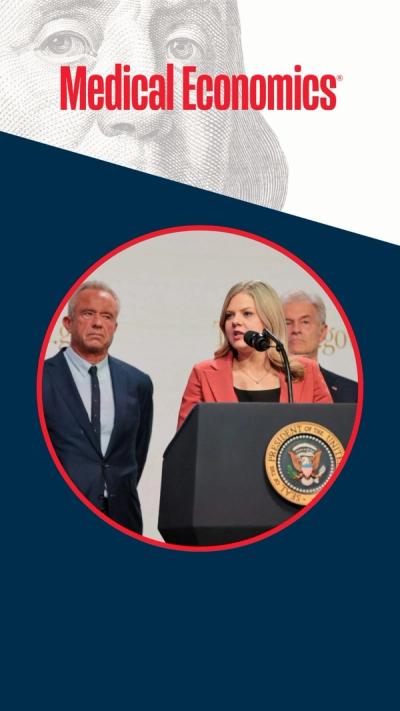
1:20
Who is Heidi Overton, Trump's pick to lead the FDA?
a month ago
by
Austin Littrell
0:54
Why our health care system is set to fail
a month ago
by
Molly O'Shea, M.D.
3:44
Trump's new FDA pick; CMS tightens prior auth guidelines; paper argues AI outperforms physicians
a month ago
by
Austin Littrell
0:45
Why 'cleansing' during an illness could be dangerous
a month ago
by
Molly O'Shea, M.D.
0:54
Health care can learn from pizza delivery
a month ago
by
Colin Banas, MD, MHA
0:33
The new era of healthcare collaboration
a month ago
by
Sandra Johnson
Podcasts
CME Content


Advertisement
More News
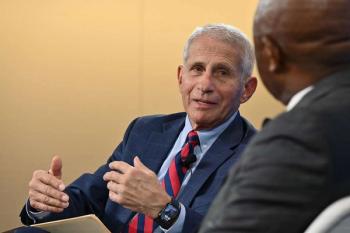
Since April, confidence in Anthony Fauci has fallen to just 50%, while Robert F. Kennedy Jr. is unchanged at 38%, in a survey fielded during the Senate contempt vote.

WalletHub scored all 50 states and Washington, D.C., on 16 vaccination metrics. The bottom 10 holds the state with the highest kindergarten exemption rate in the country, and one whose kindergarten coverage is among the highest anywhere.
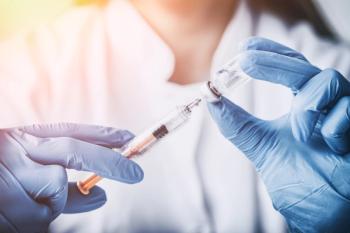
WalletHub scored all 50 states and Washington, D.C., on 16 vaccination metrics.
Quality, revenue, utilization, documentation and savings are not all the same thing

Why some health plans will emerge stronger while others face retrenchment

Emergency department self-pay visits rose from 5.5% to 7.6% of encounters, the steepest of four care settings tracked, while Medicaid's share declined across the board, according to Epic Research

News & Analysis
An Annenberg Public Policy Center survey of 1,904 adults found 87% are confident in their own doctor, nurse or other primary care physician, compared with 59% to 61% for the three federal health agencies.
Lawrence Casalino, M.D., Ph.D., M.P.H., argues that as medicine consolidates, physicians are increasingly treated as interchangeable parts, and that the damage shows up in the parts of care no quality program measures.

News & Analysis
AAFP issued its fall COVID-19, flu and RSV recommendations Wednesday, saying it coordinated with three other societies, while the coverage rules, counseling pay and registry logic behind them have not caught up.

Slideshow
What physicians need to know about the AMA's new AI framework
Despite major problems across U.S. health care, evidence shows what primary care is getting right.

An HHS video sent patients to a Medicare comment docket that has already drawn more than 19,000 submissions.

Big groups clean up in independent dispute resolution, but little, if any, goes to primary care.
Fifteen years of research hasn't moved the federal rules that keep new physician-owned hospitals from opening.

Dolly Parton, who died Aug. 25, 2026, at 80, funded research at Vanderbilt, a women's health center in her home county and the Knoxville children's hospital that bears her name.

A bipartisan bill would let employers pay $1,200 to cut the 372-day labor certification wait to 30 days, easing one early bottleneck for practices that hire foreign-born staff.

With whistleblower complaints increasingly coming from professional data analysts and the DOJ moving faster on reviews, periodic audits alone may no longer cut it.
Three counseling codes took effect Jan. 1 for vaccine visits that end without a shot. CMS will not pay for them and neither will most private payers.

A new JD Power study shows satisfaction with Medicare Advantage falling for the second year in a row. For primary care physicians, the numbers explain a lot about what's landing on their desks.

Patient preferences shape clinical decisions, but so do corporate policies, according to PAI survey of employed physicians.
Insurers pledged six fixes to prior authorization in June 2025. A year later, only 24% of physicians say denials are getting the specialty-matched review that was promised first.

Meanwhile, patients will pay because employers expect health insurance premiums to rise 10% in 2027.
Advertisement
Advertisement
Trending on Medical Economics
1
No-MCAT medical school pathway aims to keep physicians in Arkansas
2
Most Americans say a pension beats a 401(k), survey finds
3
CMS cancels ACA coverage for 760,000; bill would ban corporate ownership of practices; physician pay rises in every specialty group — Morning Medical Update Weekly Recap
4
How corporate ownership is reshaping how physicians practice
5