How primary care can bring cancer-screening logic to cognitive health on World Alzheimer’s Day (and every day).
An Obesity Action Coalition leader discusses latest developments in treatment of obesity as a chronic disease.
For patients with
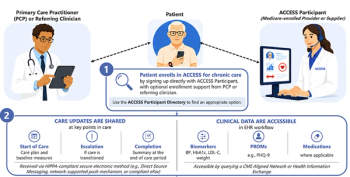
This year, the U.S. Centers for Medicare & Medicaid Services (CMS) announced two new programs that indicate a shift in how the federal health programs cover
CMS’ new
The programs indicate the federal regulators are recognizing obesity as a complex chronic disease and changing the coverage for the drugs that have become one of the hottest issues across health care. Tracy Zvenyach, Ph.D., M.S., R.N., is vice president for advocacy and research at the
Zvenyach spoke with Medical Economics about drug pricing, concerns around compounded GLP-1 medications, the role of metabolic and bariatric surgery in comprehensive obesity care, and the persistent weight bias and stigma that continue to shape — and too often distort — how patients are treated across the health care system.