


Patient Relations
Latest News
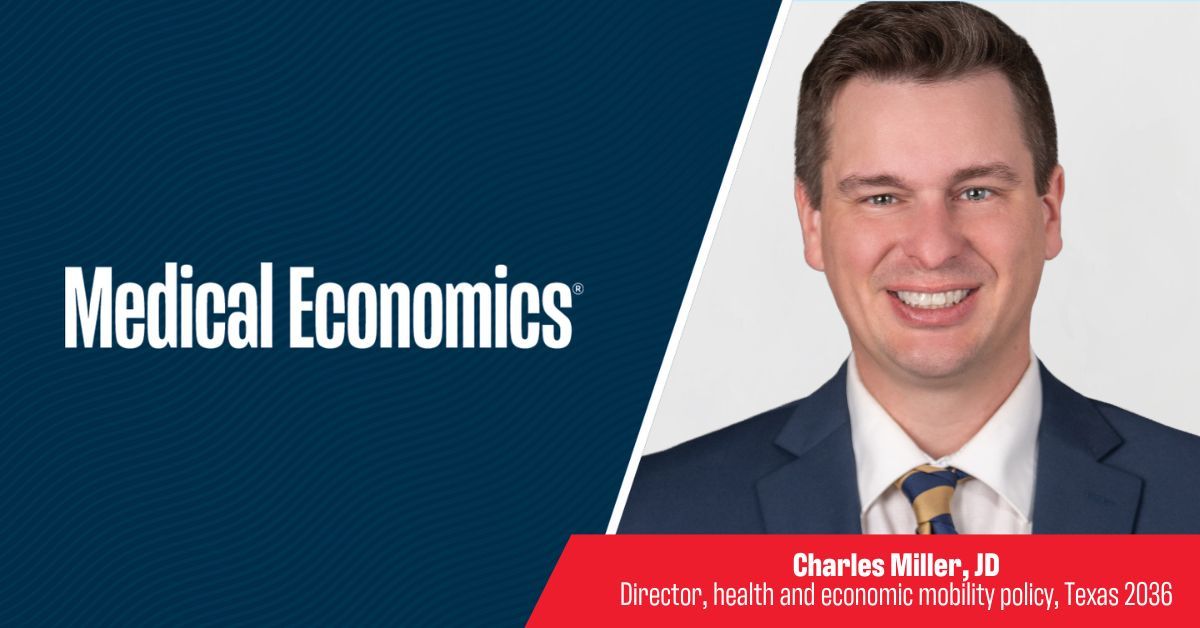
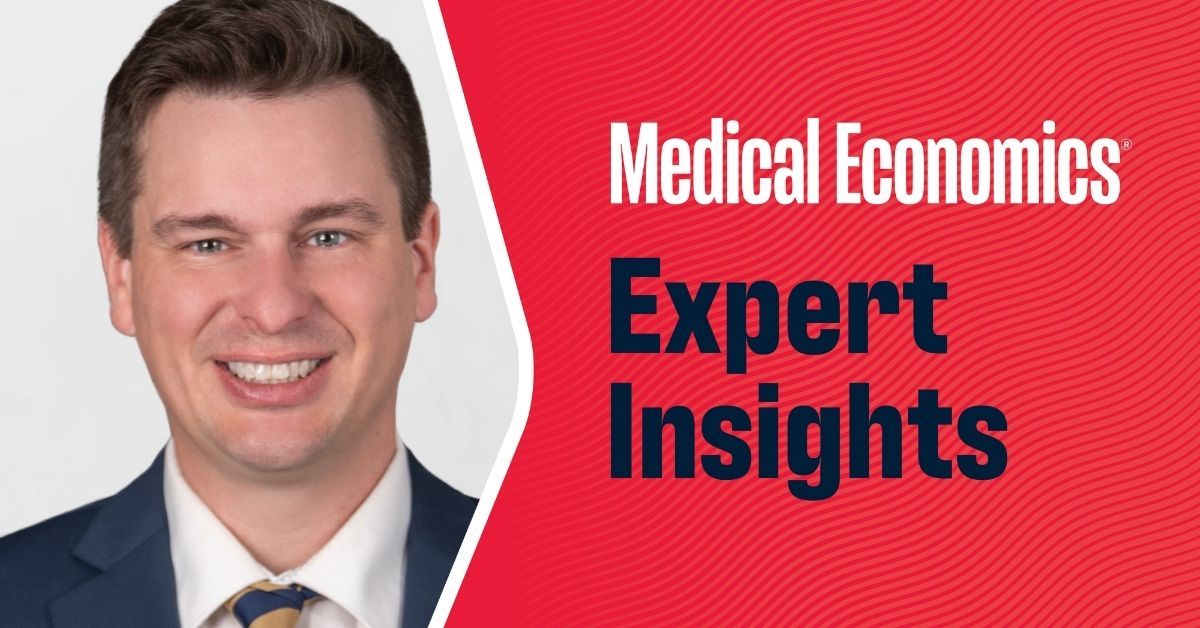
Health insurance, accessibility and the business of medicine in the Lone Star State
Advertisement
Latest Videos
Shorts
0:53
PCPs need 27 hours a day — here's how urgent care can help
5 months ago
by
Andrea Giamalva, M.D., FAAFP
0:51
Why healthcare costs are a public health emergency
5 months ago
by
Mindy Fortson
0:37
Gen Z is ditching primary care
5 months ago
by
Andrea Giamalva, M.D., FAAFP
1:09
Heart healthy habits are boring, right? Wrong
5 months ago
by
Francisco Lopez-Jimenez, M.D., M.S., MBA
0:44
The future of public health policy
5 months ago
by
David Dodd
0:56
How doctors should talk about weight (without shame)
5 months ago
by
Francisco Lopez-Jimenez, M.D., M.S., MBA
0:51
AI: From pilot phase to non-negotiable part of health care
5 months ago
by
Mindy Fortson

1:11
On joy, inflammation and LDL cholesterol
5 months ago
by
Kyla M. Lara-Breitinger, M.D., M.S.
0:33
Why public trust in health care collapsed
5 months ago
by
David Dodd
4:07
Trump taps radiologist Nicole Saphier for surgeon general, pulls Casey Means' nomination; medical malpractice trends; AMA and Congress vs. AI chatbots — Morning Medical Update Weekly Recap
6 months ago
by
Austin Littrell

Advertisement
More News
How an organization in the Lone Star State aims to make health insurance affordable while promoting market competition.
How an organization in the Lone Star State aims to make health insurance affordable while promoting market competition.
Colleen Denny, M.D., FACOG, joins the show to break down what patients are hearing online, how medical misinformation shows up in the exam room and why physicians still play a central role in restoring trust.

Disagreement over vaccine policy prompts a new court case to stop an Advisory Committee on Immunization Practices meeting and decision.
Health insurance CEOs to be called in later this month; advocates call for changes to Medicare policies.
Pediatrician David Higgins, M.D., M.P.H., M.S., explains why true vaccine hesitancy is rarer than headlines suggest, how social media distorts the picture and what physicians can do to rebuild trust one conversation at a time.
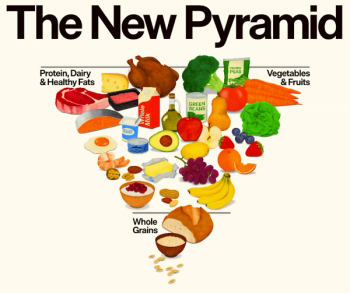
Food should be whole, nutrient dense and free of added sugar, according to new federal recommendations.

New data show patients are using the chatbot to decode bills, compare insurance and fill access gaps, especially in hospital deserts and after clinic hours.
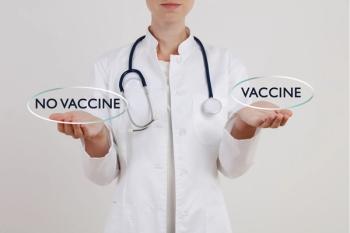
New Annenberg data show that many in the U.S. misunderstand CDC’s shared clinical decision-making guidance, leaving it up to physicians to explain the new federal vaccine policy.

Most Americans remain cautious about AI diagnosing them on its own, but views improve when the tech assists clinicians.

How will the new federal effort affect primary care?
A physician expert discusses changes in RPM policy and reimbursement.

A slideshow with steps to take for better physical and mental wellness this year.
A physician expert discusses changes in RPM policy and reimbursement.
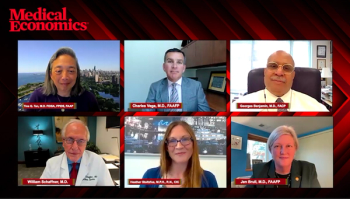
In April 2025, Medical Economics convened an expert panel to discuss the crisis in vaccination driven by federal policy and social media misinformation.

Medicare’s planned 2026 overhaul puts primary care physicians at the center of preventing complications, reducing costs and saving limbs.

What clinicians should keep in mind when recommending LAI medications and helping patients receive consistent treatment
A physician expert discusses changes in RPM policy and reimbursement.
A physician expert discusses changes in RPM policy and reimbursement.
Greg Grant, the chief operating officer of Specialdocs Consultants, joins the show to explore why 2026 may be a pivotal year for physicians considering the transition to membership-based care.

How the right financing partner can boost operational efficiency, strengthen resilience and improve the patient experience.

A hidden cost shift is creating a new affordability crisis for patients.

Patients are using digital tools to find care but prioritize human connection once they get there.
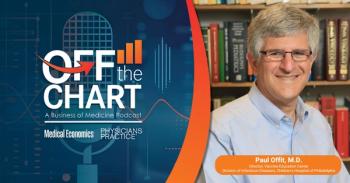
Paul Offit, M.D., joins the show to talk about the state of vaccine and public health skepticism, and what it means for physicians.
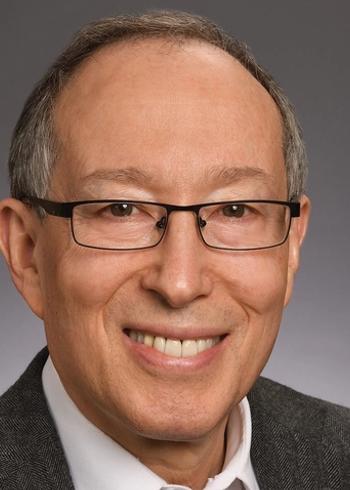
Walter A. Orenstein, M.D., said vaccines have made some diseases disappear, but that people may not understand how they work
Advertisement
Advertisement
Trending on Medical Economics
1
How unbundled maternity care codes could change OB/GYN pay in 2027
2
Midterms could give Democrats leverage on Medicaid cuts and ACA subsidies, policy experts say
3
Health care's alphabet soup: How to decode the letters after your colleagues' names
4
How hospital contract tactics and private equity are squeezing independent physicians, and the bills that could stop it
5