Urban Institute analysis finds 26% of insured adults owe medical debt, with hospitals the largest source
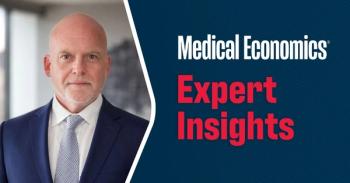
Pediatrician David Higgins, M.D., M.P.H., M.S., explains why true vaccine hesitancy is rarer than headlines suggest, how social media distorts the picture and what physicians can do to rebuild trust one conversation at a time.
Pediatrician and author David Higgins, M.D., M.P.H., M.S., joins Off the Chart to unpack what’s really happening with vaccine confidence. Higgins explains why true anti-vaccine activists are a tiny minority, how media coverage can exaggerate hesitancy and why most parents still want vaccines for their children — even if they come in with questions. He also digs into the role of social media algorithms in amplifying misinformation and the policy risks of assuming “everyone” is skeptical of shots.
Higgins shares practical, exam room–tested communication strategies that busy clinicians can use right away, including how to open vaccine conversations with confidence, use motivational interviewing without adding time to visits and apply his “fact–warning–fact” approach to defuse persistent myths.
This interview was conducted in preparation for the Medical Economics November-December 2025 cover story, "
For more on Higgins’ articles mentioned in this episode, he is a co-author of “
Don’t miss our recent
Music Credits:
Kind Winds by Cephas -
A Textbook Example by Skip Peck -
Editor's note: Episode timestamps and transcript produced using AI tools.
0:00 — Cold open
An individual’s physician remains the most trusted source of vaccine information.
0:19 — Intro
Austin Littrell introduces Medical Economics Senior Editor Richard Payerchin and guest David Higgins, M.D., M.P.H., M.S., previewing their discussion on vaccine hesitancy, misinformation, and communication strategies for physicians.
1:11 — Interview begins
Payerchin welcomes Higgins and asks about the current state of trust in medicine and science.
1:25 — Trust in institutions and experts
Higgins discusses the erosion of trust in public institutions and how it affects confidence in medicine and vaccines.
2:37 — The risks of normalizing vaccine hesitancy
Higgins explains why overstating vaccine hesitancy can distort public health policy and harm provider confidence.
4:20 — Policy and perception
How misconceptions about vaccine refusal influence lawmakers, and why most parents still want vaccines for their children.
6:10 — The provider mindset
Why assuming every patient is hesitant changes physician behavior and weakens communication.
8:04 — Barriers to eradication and the importance of uptake
Higgins underscores that vaccines don’t save lives unless vaccination occurs— and the human factors that determine success.
13:13 — P2 Management Minute
Keith Reynolds shares a one-minute practice management segment on workflow and leadership insights.
14:02 — The Wakefield study and lasting damage
Higgins recounts how fraudulent MMR-autism claims sparked long-lasting fear and skepticism.
18:09 — How anti-vaccine activism spreads online
Higgins distinguishes true activists from confused sharers and explains how algorithms amplify fear-based content.
21:22 — Beyond facts: improving physician communication
Why information alone doesn’t change minds, and the key communication techniques every clinician should use.
25:33 — The “fact–warning–fact” method
Higgins breaks down his “truth sandwich” approach for effectively addressing vaccine myths.
27:05 — Final thoughts: trust in the physician’s voice
Higgins concludes by explaining why patients still look to their doctors as “lighthouses in the storm” of misinformation.
29:16 — Outro
Richard Payerchin wraps the conversation, and Austin Littrell closes the episode with subscription and contact details.