

A JAMA analysis of nearly 250,000 board-certified internists puts hard numbers on how much underserved patient care rests on physicians born outside the U.S., just as visa policy tightens around them.
A JAMA analysis of nearly 250,000 board-certified internists puts hard numbers on how much underserved patient care rests on physicians born outside the U.S., just as visa policy tightens around them.

Supporters of osteopathic medical education hope Pennsylvania collaboration will be a model for the nation.

Crytica Security's RDAi system installs a sub-100 KB software "Probe" inside each device to monitor for unauthorized changes, aiming to catch tampering that network-based tools alone can miss.

A new model of 5,778 physicians sorts every combination of hometown, medical school and residency into four tiers of rural practice.


Three in four patients now refuse to book with a provider rated below 4 stars

Physicians have questions about capitation. Here's what it means for your practice.

The deal gives surgeons a new registration option for AR navigation, potentially expanding access for regional hospitals and ambulatory surgery centers.

A 2024 policy shift is forcing practices to wait on claims adjudication before billing — and the delay is eroding collections and straining independent practices

Organizations that recognize similarities to EHR and other previous transformations may be better positioned to move beyond experimentation and achieve value from their AI investments.

The top news stories in medicine today.

The order sorts childhood immunizations into three categories, calls for separate visits and points the attorney general at state exemption laws.

Beyond the MMR split, the order presses states to adopt a narrower vaccine list and directs the attorney general to challenge exemption limits.

Patients read normalizing language as a signal that treatment isn't recommended, new research finds.

Staffing at medical practices has become one of the biggest challenges they face. Dina Taylor explains why.

What happens when the CDC steps back from outbreak surveillance? We’re seeing it in real time, a doctor says

The preferred portfolio deal covers 3D mapping, intracardiac imaging, and both radiofrequency and pulsed field ablation technologies to expand outpatient arrhythmia care.

Shawntea Gordon of Atlas & Perpetua Healthcare Consulting says the cost most practices cut first is usually the one that was never the problem.
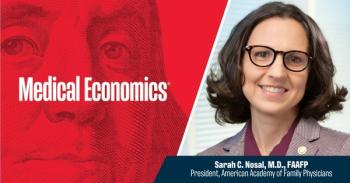
AAFP President Sarah C. Nosal, M.D., says family physicians should work from the academy's vaccine schedule and that the counseling required to explain it is time practices aren't paid for.

What clinicians should ask before trusting artificial intelligence with medication decisions

With small cuts, targeted gains and revision of the G2211 code, here’s what CMS' proposed 2027 PFS means for your bottom line

The top news stories in medicine this week.

Physicians head into this back-to-school season with more than one immunization schedule in circulation, rising exemption rates and new counseling codes that payers are covering unevenly.

As the outbreak continues, here’s what physicians need to know about diagnosing cyclosporiasis this summer

Joanne Frederick of Government Market Strategies argues the fix for runaway health care costs turned out worse than the problem it solved.

The top news stories in medicine today.
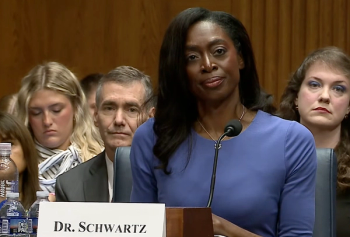
The 51-44 vote ends a yearlong vacancy atop one of the nation's top health agencies.

A physician's FAQ guide to Medicare's visit-complexity add-on code

Enterprise risk management is no longer optional for health systems — and smaller practices can build a program too, one step at a time.

CMS is right to go after wasteful spending, but should use AI technology for accountability, not more prior authorizations