


The American Medical Association recognized 92 hospitals, health systems and medical groups for system-level work to reduce burnout and support physician well-being.
The American Medical Association recognized 92 hospitals, health systems and medical groups for system-level work to reduce burnout and support physician well-being.

Fifty-nine percent of health care workers say they're likely to look for a new job in the next year, but employers estimate 39%.

A Hologic survey of 1,000 U.S. women aged 35 to 75 found that a direct recommendation from a physician was the top motivator for overdue patients, while knowledge gaps about cost, radiation and breast density persist.

Who needs imaging when you can try PT first?

Moving beyond simply avoiding burnout and getting to vitality and growth needed to lead.

What it takes for health systems and health plans to stay visible when an AI model is the one making the recommendation.


There are a lot of financial advisors out there, but not all of them have your best interest in mind

From AI scribes and coding habits to the claims payers quietly cut, these are the lessons physicians can take from four days of sessions and interviews at the Medical Group Management Association's centennial meeting.

Coding scrutiny, payment gaps and a push for price caps show up across Trilliant Health's annual look at where U.S. health care is headed.

Brittney Anderson, M.D., FAAFP, explains how her family medicine practice uses 15 minutes each morning to catch care gaps, cut interruptions and get the whole team on the same page.

The practices seeing real returns from AI don't just switch it on. They choose the right technology and partner, then customize it to their workflows and patients.

Trilliant Health's annual trends report traces primary care shortages, payment gaps and looming price caps to incentives no single stakeholder has reason to fix.

MGMA's senior vice president of IT explains how independent practices can adopt AI and new technology without big budgets or IT teams.

A written financial guide and a candid conversation can help a surviving spouse avoid cash shortfalls and financial chaos during a time of grief.

WalletHub scored the loyalty programs of the nine largest U.S. hotel chains on 21 metrics, and the biggest footprint didn't guarantee a top spot.

It's not a patient problem, it's an operations problem, and large practices and health systems need to treat it that way.


Nolla Health claims it has the nation’s first approval for artificial intelligence to issue initial prescriptions. Physician review comes later.

Medical Economics spoke with MGMA's Madison Hynes about the association's draft bill to ban automatic downcoding, the Patients First Act and AI-run prior authorization in traditional Medicare.

How practice leaders can defend physicians from 'distractions to doctoring.'
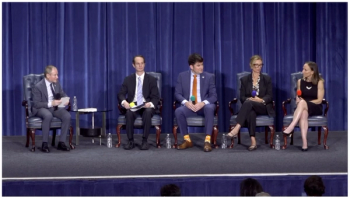
HHS finalizes price transparency updates as employers push insurance vendors to open the books.

Cash payments for GLP-1s are on the rise, according to pharmacists surveyed by Buzz Health.

Medicine has never moved this fast. How much of the next decade has already been decided, and what’s still open?

Many new doctors have limited exposure to value-based care, but once they see it in action, their interest level increases.

Patients who received weekly plant-based grocery packages from a primary care clinic's food pantry for an average of 2.7 years saw dose-dependent drops in diastolic blood pressure, weight and BMI, but no significant change in hemoglobin A1c, a Mass General Brigham study found.
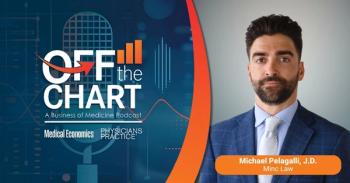
Minc Law partner Michael Pelagalli explains when a negative review becomes defamation, why HIPAA limits what physicians can say in reply and how anonymous reviewers get unmasked.
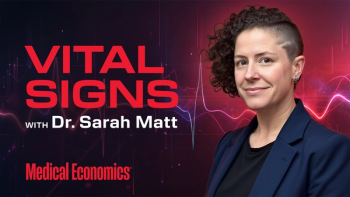
Patients are bringing more AI-generated medical advice to their appointments, but that doesn't mean you should dismiss it outright.

Health care often is expensive and it gets more costly when patients don't arrive for appointments.

Medical Economics spoke with health care attorney Tatiana Melnik, J.D., about vendor contracts, patient consent and the malpractice questions physicians could face next.