


A former congressman and two health policy advocates expect shutdown standoffs to set the terms of any health care deal next year.
A former congressman and two health policy advocates expect shutdown standoffs to set the terms of any health care deal next year.

A Maryland pathologist and MedChi past president explains how all-or-nothing contracts, anti-steering clauses and private equity deals inflate costs. He also outlines the federal and state reforms that could restore competition.
So many postnominal letters, so little room on ID badges and business cards.

An AI scribe's price tag is only part of its cost. A three-part framework helps physicians and practice managers measure return on investment, clinician well-being and the time it really takes to get the tool working.
Why U.S. health care needs more sources of investment, not more restrictions on private equity.


Residents keep getting raises. From rent and child care to a new federal cap on medical school loans, these 10 figures show why many still can't make the math work.

Clear service pages, detailed provider bios and attention to review patterns help patients feel confident before they ever call the office.

Coverage confusion could disrupt patient care in 2027

High-earning physicians can reach a Roth IRA through a nondeductible contribution and conversion.

The top news stories in medicine today.

Own-occupation disability insurance pays when you can't work in your own occupation or specialty. How policies define disability and where to verify terms.
Maternity care's global billing package ends Jan. 1, and employed OB/GYNs paid on productivity could feel it first.

Crossing into a higher tax bracket raises the rate only on the dollars above the line. Here's how the math works and how to find your real tax rate.

Paying membership fees with pretax employer dollars held cost growth to 0.9% a year, but the numbers come with caveats physicians should know before pitching employers.

Adding more tasks right now with no explanation is a formula for clinician burnout.

Selling a medical practice is not like selling a house, and the highest price may not be the deal you really want.
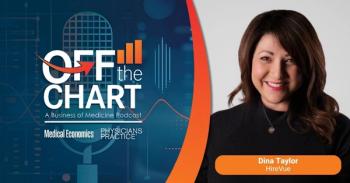
Dina Taylor of HireVue explains how physicians can use AI to sort through a flood of AI-written job applications while a human still makes the hiring decision.

Rural docs say they need help as 'adequate' physician presence becomes the exception, not the norm.

Prior authorization, step therapy and shifting coverage rules keep patients from obesity drugs with proven benefits, an endocrinologist argues — and the long-term savings make the case for broader access.
Six questions primary care physicians should ask about indoor air quality in their practices.

Milbank Memorial Fund finds uneven training standards, workforce tracking for nurse practitioners.

Excited for the sunset of MIPS? Brace yourself for a replacement, not a repair. Here are four steps to prepare for it.

A pre-election candidate survey lands two weeks before CMS sets the next round of rural health awards, which partly score states on nurse practitioner rules.

National Association of ACOs hosts leader at fall conference.

KFF's pre-election poll found voters trust Democrats over Republicans on health care costs by 20 points, and public support for a single government plan moves sharply depending on the argument people hear.

A new University of Michigan poll finds most older adults barely review their coverage at open enrollment, and the fallout lands in the exam room and the billing office.

What happens to kidney care when Medicare’s CKCC model sunsets and LEAD begins?

Restrictive covenants can force employed physicians to sell their homes and leave their communities for better opportunities. Here's how to narrow geographic, time and termination terms up front.

Encora X1, an FDA-cleared wrist device, uses mechanical rather than electrical neurostimulation, giving VA clinicians an option for patients who can't tolerate medication or have implanted electrical devices.