
A 25-year hospital CEO explains why organizations need their own ‘CPR’ lifeline.
A 25-year hospital CEO explains why organizations need their own ‘CPR’ lifeline.
Current quality programs measure organizations and claims after the fact, but the next generation of measurement focuses on the everyday clinical decisions that drive unnecessary spending.

The vast majority of physicians are now employed, and it's changing how they treat patients and how they go about their job
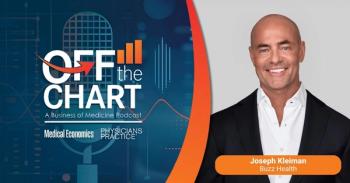
Buzz Health President Joseph Kleiman says the prescriptions patients abandon due to cost rarely appear in a physician's workflow, and he attributes this to disconnected systems.

The top news stories in medicine today.

What do providers owe patients when a GLP-1 is out of reach? At the very least, they should stay informed.

A third of Americans doubt they'll have enough money to retire, and more than a third are counting on family to help, according to a new WalletHub survey.

A randomized trial found a FORTA-based, pharmacist-led medication review sharply reduced inappropriate prescribing, overuse and underuse among older cancer patients with polypharmacy.

Health care's real problem is operational capacity, not AI, and the right tools are the ones that eliminate work rather than add dashboards.


Median work RVUs rose no more than 2.8% in any group, while nearly 65% of surveyed organizations plan to add physicians in the coming year.

Generic, template-style language from ambient AI tools is triggering payer scrutiny under CMS's G2211 rules.

A new national survey finds Americans still want a person — not AI — on the other end of a health care call

What if a greater number of reported safety events actually meant a hospital is safer for patients?

Why the most expensive school isn’t always the best investment, and how physician families should weigh cost, competition and outcomes.


Kidney care advocates praise new appointees; advocacy group notes the task force creates financial effects on patients.

A primary-care voucher model would pay practices upfront for predictable care and leave insurance to cover catastrophic risk, cutting administrative burden and giving physicians time back with patients.

Pattern Bioscience's Urine ID/AST Panel, which is not yet cleared or available for sale, is designed to compress the days that conventional urine culture requires into a single shift.

Wendy S. Harpham, M.D., FACP, draws on decades as a patient with lymphoma to show physicians which phrases comfort patients and which cause distress without meaning to.

Despite its shady name, a backdoor Roth can be a useful financial tool for doctors — if they follow the IRS rules

The law is still catching up to rapid AI advances. Here's what doctors need to know.
How primary care can bring cancer-screening logic to cognitive health on World Alzheimer’s Day (and every day).
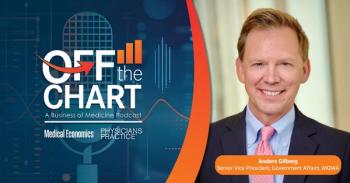
Anders Gilberg of MGMA explains the same-day payment proposal sitting in Medicare's 2027 fee schedule, and why practices won't know its fate until the final rule lands around Nov. 1.
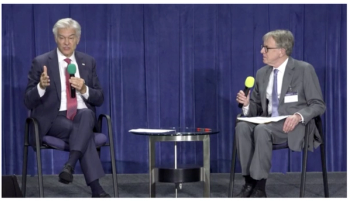
CMS chief says outcomes-based pay can help patients while finally ending physicians' box-checking frustration.

What new EBRI research on 401(k) borrowers means for doctors still paying off med school
Preparing rural care teams for AI can strengthen care without replacing clinical judgement.

The 3-part federal plan targets costs, red tape and corporate consolidation across commercial health insurance.
Revenue per patient is a common way to split practice profit. It’s also the wrong way.