MEC Veradigm 8.26
News|Articles|August 14, 2026

Colleges and community collaborate to fight the physician shortage

Fact checked by: Keith A. Reynolds
Listen
0:00 / 0:00

Key Takeaways

  • Northeastern Pennsylvania health systems and three osteopathic medical schools are participating in a single, coordinated clinical-education pipeline rather than independently competing for rotation slots.
  • Lackawanna College centrally coordinates third-year rotations for students from PCOM, UNE-COM, and Touro, aiming to streamline placement logistics and stabilize site availability.
SHOW MORE

Supporters hope a model in northeastern Pennsylvania could be replicated in other communities.

Northeastern Pennsylvania has become a testing ground for a new answer to the physician shortage. Instead of competing for scarce clinical rotations, three colleges of osteopathic medicine and a coalition of regional health systems are sharing one training pipeline.

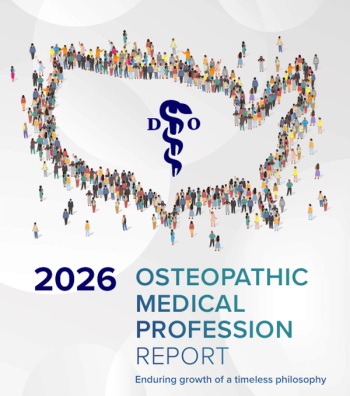
he American Association of Colleges of Osteopathic Medicine (AACOM), Lackawanna College and Commonwealth Health Regional Hospital of Scranton hosted “From Scranton to the Nation: A New Model for Clinical Education.” Under the model, the college coordinates clinical rotations for third-year osteopathic medical students from three partner colleges of osteopathic medicine: Philadelphia College of Osteopathic Medicine (PCOM), the University of New England College of Osteopathic Medicine (UNE-COM) and Touro University College of Osteopathic Medicine. AACOM also released new data showing nearly three-quarters of osteopathic medical school deans say securing clinical training sites has gotten harder over the past five years.

Here are some key takeaways from AACOM’s presentation on the shortage, the strain on clinical training and the model built to answer both, in Scranton and, potentially, nationwide. Data come from AACOM and the presentation by Mark Speicher, Ph.D., M.H.A., AACOM’s senior vice president of research, learning and innovation.

Related coverage: New consortium links three medical schools to one community training pipeline