
The answer may not be as clear-cut as you think.
The answer may not be as clear-cut as you think.
The virus is a major threat, but it may be the tangential things that pose the biggest risks to providers.
In the midst of a global pandemic, there are new liability risks physicians need to prepare for.
Government help will probably be limited
EHRs have to break down technology silos.
Hardware, software and upgrades have all been affected.

More data at the point of care can streamline everything from prior auths to prescriptions
Traditionally, vendors have focused on government requirements and not on usability

The key to treating diabetes is to understand it
Can tech companies make EHR apps work for doctors?

The latest on managing diabetes with Marie E. McDonnell, MD
Can yours make the cut?
Surprisingly, regulations play a big role
Learn a different treatment approach with these courses
Why Bradford S. Pontz, MD, chose concierge medicine, and Specialdocs.
Why John Verheul, MD, MPH, chose concierge medicine, and SignatureMD.
Why Louis Malinow, MD, chose concierge medicine, and MDVIP.
Why Suzanne F. Turner, MD, chose concierge medicine, and Cypress Membership Medicine.

Why Nalini Mattai, MD, chose concierge medicine, and Concierge Choice Physicians.
Why Alan R. Morrison, DO, chose concierge medicine, and Castle Connolly Private Health Partners.
Online and telephone visits can be equally effective
How can physicians help patients control their diabetes in the COVID-19 era?
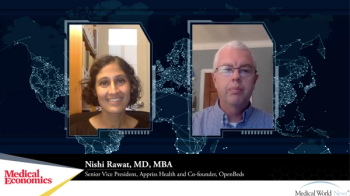
The opioid epidemic may have disappeared from the headlines, but the problem is still here.
Spirituality plays a key role in overall health
Joseph Scherger, MD, explains why
Body fat in the gut is a driver of numerous chronic diseases
Joseph Scherger, M.D., is fighting back against the unhealthy Western diet and lifestyle
Diet changes could improve chronic disease
What should we do about physician burnout? How can we create a health care system that supports our physicians?