

The COVID-19 pandemic has had an unprecedented impact on the physician job market.
The COVID-19 pandemic has had an unprecedented impact on the physician job market.

What are the biggest challenges facing physicians during the COVID crisis?
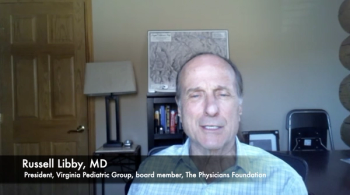
Russell Libby, MD, says both doctors and patients will want to continue enjoying the benefits of telehealth after the pandemic is over.
A discussion on which factors to consider when assessing the need for management/reduction of cardiovascular risk.
A key opinion leader discusses effective risk prevention measures and challenges to reducing adverse events. He also considers effective educational resources for self-care.
Russell Libby, MD, says the Physicians Foundation is constantly reassessing how to help doctors implement and benefit from telemedicine.
Russell Libby, MD, says the survival of many small practices depends on being paid the same for remote and in-person visits.
Russell Libby, MD, says greater use of telehealth reduces practice expenses while also replacing some of the lost income from fewer in-person visits and elective procedures.
The COVID-19 pandemic will have an unprecedented effect on the U.S. heath care system.
Russell Libby, MD, says that while some problems require hands-on medical treatment, both patients and doctors are learning to appreciate the ease and convenience of telehealth visits.
Russell Libby, MD, says text messages, emails, and website postings let patients know telehealth services are available.

Attacks are on the rise, and health care facilities are prime targets.
Russell Libby, MD, says a wide variety of resources are available to help practices find the platform best suited to their needs.
Russell Libby, MD, says telehealth offers the possibility of easier access to care for patients.
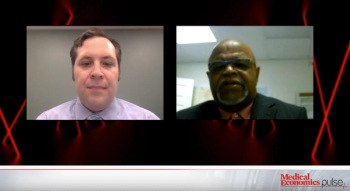
Jon Regis, MD, explains how he set up a virtual office using remote patient monitoring to help his practice thrive during the COVID-19 pandemic and into the future.
Russell Libby, MD, says telehealth has helped practices fill the gap in patient visits and revenue created by the Coronavirus pandemic.

Telehealth has many benefits, especially during the COVID-19 pandemic.

Data from the COVID tracking project on coronavirus cases, test results and more.

Leveraging virtual care will change the way many doctors practice medicine.
There are huge opportunities to transform care in rural areas, but problems remain.
Not everyone has embraced the technology.
Working out technology issues is important for a positive patient experience.
Value-based contracts may play an integral role in telehealth’s future.
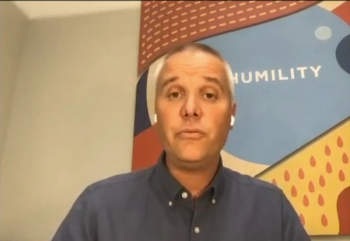
What impact will telehealth have on patient outcomes and physician reimbursement? Jeremy Gabrysch, MD, CEO of Remedy, discusses telehealth and other changes in health care.
Patient demand will play a huge role in determining how common the technology becomes.
Continuity of health is a major benefit that helps maintain the doctor-patient relationship.
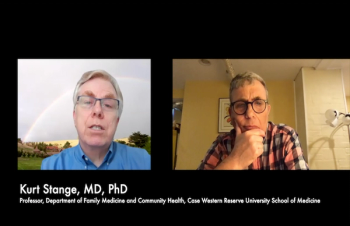
Kurt Stange, MD, says that establishing even brief relationships with patients has a “pay it forward” effect that will benefit patients, and health care generally, in the future.
Kurt Stange, MD, says many physicians find they have to work harder to project their humanity to patients during virtual visits than when they see them in person.
Kurt Stange, MD says that even care provided in urgent care or minute clinics can provide a little of the same satisfaction that comes from long-term patient relationships.
Kurt Stange, MD, says that telehealth visits can provide useful insights into patients’ home environments.