






Payment Models
Latest News
Advertisement
Latest Videos







Shorts

0:58
Why healthcare technology actually made things worse
23 days ago
by
Dan D'Orazio
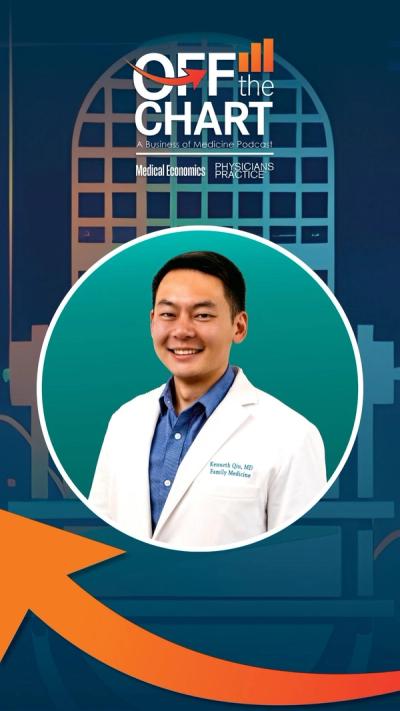
0:40
Why direct primary care isn’t concierge medicine
25 days ago
by
Kenneth Qiu, M.D.
0:55
The 'I win, you lose' reality of healthcare
a month ago
by
Dan D'Orazio
0:50
Why hospital penalties don't work
a month ago
by
Dan D'Orazio
0:39
Why value-based care failed (according to an expert)
a month ago
by
Dan D'Orazio
1:09
Would universal health care save money?
2 months ago
by
Rebecca Schoon, Ph.D.
0:47
The insane scale of U.S. health care spending
2 months ago
by
Dan D'Orazio
0:55
Congress wants to pay primary care monthly and keep AI out of denials
2 months ago
by
Austin Littrell
1:38
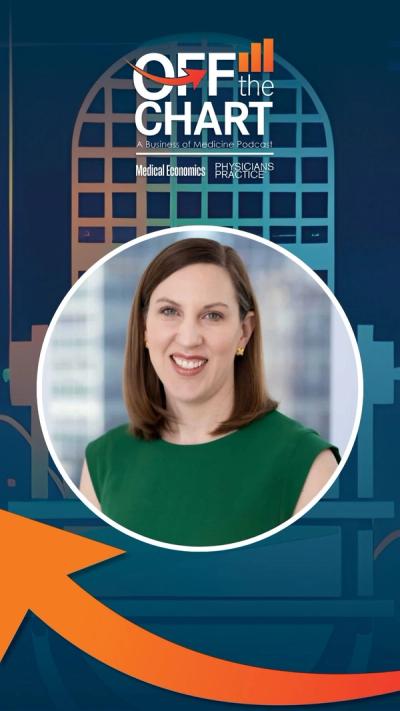
Could Big Tech replace physicians?
2 months ago
by
Caroline Pearson
0:56
Why AI won't fix healthcare's human problem
2 months ago
by
Dan D'Orazio
Podcasts









Advertisement
More News

Medicare's Ambulatory Specialty Model scores specialists one by one on episode costs and quality, with no group average to absorb a weak result.

Physician groups in risk contracts often learn what they owe months or years after the fact. Medical Economics spoke with Najib Jai, M.D., MBA, chief operating officer of Arbital Health, about why settlements turn into disputes and how actuarial AI tracks contract performance while the year is still underway.

Paying membership fees with pretax employer dollars held cost growth to 0.9% a year, but the numbers come with caveats physicians should know before pitching employers.

Excited for the sunset of MIPS? Brace yourself for a replacement, not a repair. Here are four steps to prepare for it.

National Association of ACOs hosts leader at fall conference.

What happens to kidney care when Medicare’s CKCC model sunsets and LEAD begins?

MedPAC commissioners pile on Medicare’s Merit-based Incentive Payment System, a program they love to hate

A NAACOS and Innovaccer survey of 116 leaders also found only 21% are tracking which of their patients have enrolled in the new chronic care model.
It's shared savings season and the check has arrived. Now how do physicians divide it up fairly?

Recent CMS rule changes reinforce that operational discipline is increasingly shaping reimbursement

Medical Economics spoke with Monique Delgado, former CEO of Integrated Medical Services, about where salary-only pay falls short, which metrics to tie incentives to and how to change physician pay without eroding trust.

Trilliant Health's annual trends report traces primary care shortages, payment gaps and looming price caps to incentives no single stakeholder has reason to fix.

MGMA members described capping Medicare Advantage contracts and favoring commercial patients, while one Texas practice leader reluctantly called Medicare her best payer.

Behavioral health has historically taken a back seat to physical health in primary care. That approach is shifting, as growing evidence underscores the importance of whole-person well-being in improving patient outcomes, strengthening care coordination and advancing value-based care.
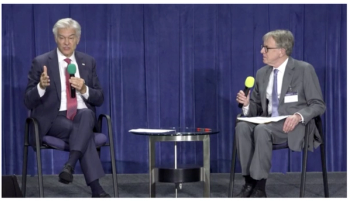
CMS chief says outcomes-based pay can help patients while finally ending physicians' box-checking frustration.

Reactions from five leading organizations were among thousands of public comments on the draft document.
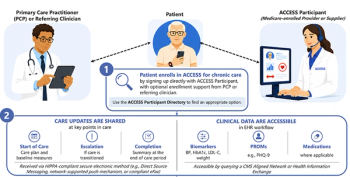
Physician groups back ACCESS Model but warn CMS against care fragmentation

Top HHS leaders introduce ACCESS model with discussions of patient health, costs and technology.

The Pay PCPs Act of 2026 would blend prospective per-patient payments with fee-for-service, halve beneficiary cost sharing for primary care and exempt participating physicians from MIPS.
Quality, revenue, utilization, documentation and savings are not all the same thing

Concierge and direct primary care sites grew 83.1% in five years, and direct primary care starts 2026 with a federal tax break it did not have before.
Retrospective data are not irrelevant, but primary care needs AI and advanced analytics to treat real-world patients in real time.

Sage Growth Partners CEO Dan D'Orazio explains why fee-for-service incentives, disparate data and misaligned financial models — not a lack of technology — are keeping value-based care from taking hold.
Advertisement
Advertisement
Trending on Medical Economics
1
Goodbye G2211, hello B1 and B2: what the 2027 Medicare Physician Fee Schedule means for primary care
2
What the end of global maternity billing means for OB/GYN productivity pay
3
Medicare’s final 2027 fee schedule cuts deeper; Democrats win Congress; measles deaths test U.S. elimination status — Morning Medical Update Weekly Recap
4
What 20 years in hospital medicine taught me about starting a health tech company
5