





Payment Models
Latest News
Advertisement
Latest Videos



Advertisement
More News

Joshua M. Liao, MD, spoke with Medical Economics following the ACP Internal Medicine Meeting last month about succeeding in value-based payment models.
Joshua M. Liao, MD, outlines three critical factors primary care physicians should consider when deciding between value-based care models.
Joshua M. Liao, MD, explains how practices can effectively include non-clinical staff in performance incentives.
Joshua M. Liao discusses how primary care practices can adapt to models that reward care delivered outside traditional office visits.
Joshua M. Liao, MD, offers advice for practices trying to keep patients engaged and connected in a fragmented care environment.
Joshua M. Liao, MD, discusses the importance of patient attribution in value-based payment models — and how small practices can get it right.

Former Medicare innovation chief forecasts the future of payment for focusing on the patient.

Medicare data shows a shift toward larger, multispecialty and hospital-affiliated practices.

New National Academy of Medicine report examines Medicare reimbursement, the RUC, and the process of determining values of medical care and services.

Relative Value Scale Update Committee responds to analysis from National Academies of Sciences, Engineering and Medicine.

NAACOS urges Trump Administration to ensure ACOs and value-based care are part of health policy going forward.

Brian Outland, PhD, discusses what 2025's health care shifts mean for physicians at the ACP Internal Medicine Meeting 2025 in New Orleans.

Brian Outland, PhD, discusses what practices should be doing now with the future of value-based programs up in the air.
Brian Outland, PhD, expalins how Medicaid cuts threaten community-based primary care.

With burnout, worker shortages and razor-thin margins, primary care doctors are in trouble in the United States, and Medicare is not helping.

Discover how effective teamwork in health care enhances patient outcomes, optimizes care management and boosts staff satisfaction in value-based care settings.

Health care leaders must strategically approach the financial and operational changes that come with Medicare Advantage and Medicaid Managed Care requirements or risk disruptions to revenue cycle management and ultimately, revenue leakage.
Physician-owned Wilmington Health identifies high-risk patients to deliver care at right time.
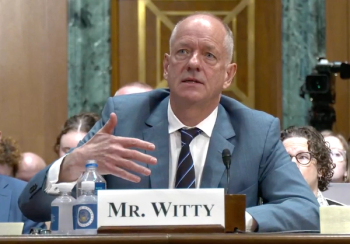
Physicians say they still feeling effects of massive computer breach at insurance giant.

Medicare Economic Index would better reflect doctor expenses while ensuring patient access, AMA says.
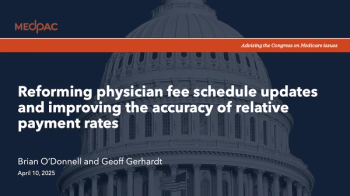
Formal vote comes ahead of June report to Congress on pay in Medicare Physician Fee Schedule.

Addressing the unique, complex needs in women’s health care while improving care, easing the burden on OB-GYNs, and ensuring adequate payment.

The time is now to create an action plan that fits your practice when it comes to cutting costs and raising revenue streams. Read Medical Economics Insider to get started.
Introducing the inaugural issue of Medical Economics Insider, featuring practical tips and expert interviews on medical practice finance, plus exclusive survey data on how physicians feel about nurse practitioner independence.

Expert insights about managing a practice and the 2025 cut to physicians in the Medicare Physician Fee Schedule.
Advertisement
Advertisement
Trending on Medical Economics
1
Dolly Parton's health care legacy: Two decades of giving
2
FDA expands device compatibility for Paradromics' brain-computer interface
3
The key tech components every primary care practice needs to deliver exceptional mental health services
4
Why private equity can own a hospital and a physician can't, with Gary Price, M.D., of The Physicians Foundation
5