







Patients around the country are being shut out of better health. It’s time to open wide the front door to care.
Patients around the country are being shut out of better health. It’s time to open wide the front door to care.

Falling back and springing ahead may have consequences for human health.

Survey finds that billing and payment are factors when it comes to choosing and building trust with a provider

Texas Medical Association claims victory in court challenges of provisions unfair to physicians.

New position paper examines obligations of physicians, patients, governments and society in promoting and providing health in people and their living conditions.
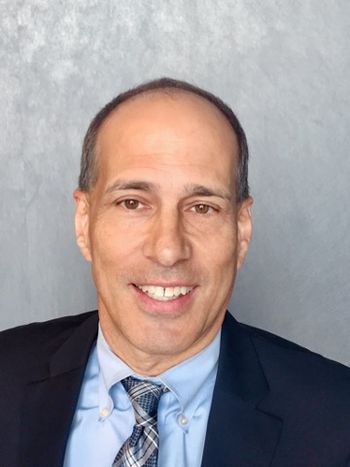
Captive insurance is a powerful tool for addressing risk in medical practices

Almost half of patients report feeling anxious before an appointment

AAFP President outlines solutions to help physicians offer better care for patients, improving the health of the nation.

Building positive relationships with patients by tapping into the power of artificial intelligence.

You help your patients maintain their physical health. There are tools to help them manage their financial health.

Supplying appropriate and accurate information online is the first step in building trust with patients.

Survey finds patients who have coverage still must deal with high costs, debt burdens.
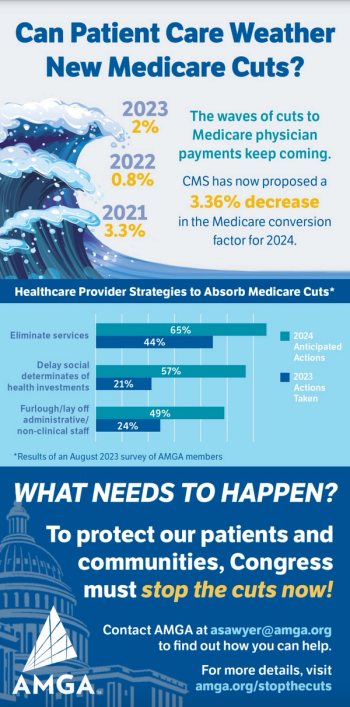
Physician reimbursement keeps dropping as doctors need predictable, stable sources of revenue.

The following strategies can improve access to primary care.

As more physicians turn to employment by hospitals and health systems, they experience a work environment that nurses have endured for years.

Musculoskeletal ailments are common, but treating them can be expensive, time-consuming – even risky. Online collaboration offers a better way to help.

Memberships include zero copay or discounted prescriptions, mental health, urgent care.
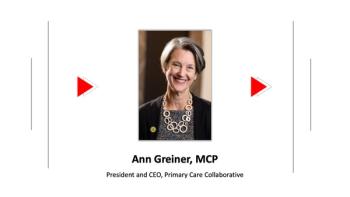
Primary Care Collaborative President and CEO Ann Greiner, MCP, introduces the organization.

Ongoing medication, medical supply, and medical equipment shortages are plaguing doctors nationwide

Patients want more convenience. Are you ready to accommodate them?

Providing clear and simple instructions reduces patients’ uncertainty and fear when confronted with bad news

AHRQ has open comment period on new study that found at least 87 approaches to blending behavioral health with physical treatments.

Study shows stark disparities in how adults with disabilities are treated in health care settings

What can other providers learn from this trend?

How vulnerable are your medical records?