



Burnout and Wellbeing
Latest News
Advertisement
Latest Videos

Shorts
0:32
True wealth is about controlling your time
6 months ago
by
Bryan Jepson, M.D., CFP
3:37
Trump nominates new CDC director; physician burnout rates down in 2025; team-based care cuts blood pressure in high-risk populations — Morning Medical Update Weekly Recap
6 months ago
by
Austin Littrell

1:11
Doctors are working harder and earning less
7 months ago
by
Matthew Bates, M.P.H.
0:50
How to tackle staff burnout
7 months ago
by
Peter Reilly

0:48
These prior auth numbers will shock you
9 months ago
by
Melissa Lucarelli, M.D., FAAFP
1:10
High administrative burden, low reimbursement — ‘It’s about keeping the doors open’
10 months ago
by
Jason Goldman, M.D., MACP

0:22
40% of states removed mental health questions from licensing
a year ago
by
Stefanie Simmons, MD, FACEP
0:38
Is the physician burnout cure...money?
a year ago
by
James M. Dahle, M.D., FACEP
0:24
Mental health talks need to also celebrate wins
a year ago
by
Stefanie Simmons, MD, FACEP

0:46
The hidden crisis behind the white coat
a year ago
by
Daniel Saddawi-Konefka, MD, MBA(+1 more)
Podcasts







Advertisement
More News

Burnout, hassle and unrealistic patient demands have replaced personal health concerns and rising malpractice premiums as the top drivers of early physician exits.

A report from the Peterson Health Technology Institute says efficiency in AI tools is still lacking.

By framing the issue solely as 'burnout,' we overlook its true cause by failing to distinguish it from deeper ethical harm, and, in doing so, miss essential policy implications.
Women doctors are fleeing medicine. Technology, autonomy and compensation for time all could help them stay to treat patients.
Is DPC for me? Hear from physicians who made the switch and found success.

Panacea Financial's 2026 customer survey shows the financial strain of medicine doesn't ease with attending salary.

Four primary care experts unpack a landmark report showing that investing in primary care isn't just good medicine — it's the most powerful cost-reduction strategy the U.S. isn't using.

Nearly 71% of doctors say hobbies help protect their sanity. Here are seven ways your peers spend their downtime.
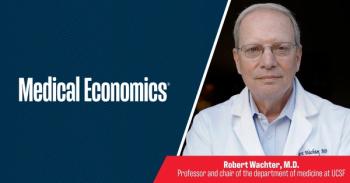
The UCSF Department of Medicine chair says AI scribes are the right first use case for AI in health care.

Many physicians describe their reality with words like burnout, administrative overload and workforce strain. But that’s not the full story. To move the needle, we have to look deeper.

MGMA's Anders Gilberg joins the show to break down the group's new regulatory burden report.


Medicare Advantage accounts for three of the top five administrative burdens facing medical groups, and nearly 95% of practices say the regulatory load has grown over the past three years, according to MGMA's 2026 Regulatory Burden Report.
AMA Organizational Biopsy survey finds third straight decline, but some specialties still top 40% burnout rates.

How ambient AI and clinical decision support are reducing administrative burden, eliminating burnout and returning the focus to patient-centered care

It’s not just burnout when patient numbers increase but doctors are not allowed adequate time and treatments for them.

Richard E. Anderson, M.D., FACP, says the system around American medicine is shifting faster than the law, or physicians, can keep up with.
Richard E. Anderson, M.D., FACP, points to 50 years of evidence and says caps on noneconomic damages remain the single most effective lever physicians and medical societies can pull.
Richard E. Anderson, M.D., FACP, says rural hospitals are shedding services and the uninsured rate is climbing — and he calls it a "rolling" crisis, not an approaching one.
Richard E. Anderson, M.D., FACP, explains how massive jury awards ripple far beyond individual cases — and why the cultural forces driving them aren't going away.
Richard E. Anderson, M.D., FACP, says the legal system knows how to sue physicians and hospitals — but has almost no precedent for holding AI accountable.

CENTEGIX's Andrea Greco joins the show to explain why workplace violence is now a balance sheet problem every practice leader needs to take seriously.

A comprehensive global analysis of health care workers shows that insomnia was a major problem during and after COVID-19.

Dr. Lorna Breen Heroes’ Foundation, health care leaders in Virginia cite clinician health as factor in patient safety.

Andrea Greco explains why duress alerts now spike across the full week — and what that means for how practices plan for safety.
Advertisement
Advertisement
Trending on Medical Economics
1
Florida's dengue outbreak: What physicians need to know now
2
AI system outperforms physicians on diagnostic accuracy in Microsoft study
3
Pay cuts, payer AI and the staff who keep leaving: What we heard at MGMA's 100th annual conference
4
Your AI scribe is saving you time. Is it also building the case against you?
5