


MultiDimension Technology's TMR1370 draws as little as 30 nanoamps, enabling more than two years of standby operation in continuous glucose monitoring devices.
MultiDimension Technology's TMR1370 draws as little as 30 nanoamps, enabling more than two years of standby operation in continuous glucose monitoring devices.

Most physicians know the direct primary care pitch; whether the economics hold up once you're in it is the more difficult question to answer.

New research on whose names AI gives patients searching for care, and why many independents never make the list.

Health policy veteran and "Zen Lobbyist" author Gary Jacobs argues that the payment system, not the insurers, is behind a second straight year of double-digit ACA premium increases, and that primary care-led risk is the only durable fix.

Anagram Security founder and CEO Harley Sugarman explains how everyday AI use can expose patient data — and what physician practices can do to reduce the risk.


Actions this week involve three major health care policy bills

Greater availability of the blockbuster drugs does not mean every older patient should get them.

Clinicians who learn to use AI as a tool, not a replacement, will be the ones who benefit.

The draft 2027 Medicare Physician Fee Schedule opens five questions about the AMA's control of CPT codes, from licensing costs to who decides what a code is worth.

An study of 1,258 providers across eight health systems found daily wRVU increases of up to 4.1% among physicians who engaged most with their production and earnings data.

A reimbursement gap of five to 12 times for the same procedure is letting hospitals outbid private practices for their own physicians. Three U.S. Women's Health Alliance advocates explain what it costs patients and what they are asking Congress to do about it.

Fax machines are gone from billing. Prior authorization and clinical communication are still stuck in 1985.

The top news stories in medicine today.

Physician lawmakers support primary care, inflation-indexed payments and new POINTS system for quality reporting.

CMS wants to cut the conversion factor, rewrite the G2211 add-on into a percentage modifier, halve payment for same-day procedures and put an expiration date on traditional MIPS.

Accountable care wins, but physicians and policy experts warn cuts are baked in

Two physicians and two health system executives got candid with Chief Healthcare Executive about denials, administrative burden and what AI is actually delivering.

As patient demand outpaces staffed beds and workforce growth, early clinical guidance from nurses is emerging as a way to protect physicians, shorten wait times and stabilize access — especially in rural and safety-net communities.

Patient demand is high, but distinctions are fuzzy about compounded GLP-1s. Primary care physicians can help

Aligning access, revenue cycles and digital engagement can reduce friction, improve transparency and accelerate collections

Is your recruiting team full of high performers? Trent Cotton explains the seven traits that separate the good ones from the bad ones.


CMS chief Dr. Oz touts ‘some of the most significant Medicare reforms in recent years’
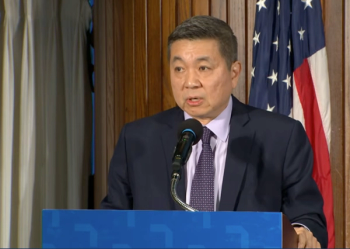
For better health at a cheaper cost, the nation needs more investment, access and doctors in primary care.

Physicians in eight specialties now clear $500,000 a year, and the distance between the top earners and primary care keeps growing.

More than 150 recruitment leaders reveal the ownership gaps, execution gaps and untapped tools holding health care back

AcuityMD's 2026 benchmark report of 150 MedTech reps finds AI users report stronger quota attainment and time savings, even though most still rely on general-purpose tools for basic tasks.

The top news stories in medicine today.

The president of the AAFP breaks down what you need to ask before signing a contract