


An analysis of 3.6 million patient portal messages found that greetings, length and punctuation helped determine who got a reply from their own physician.
An analysis of 3.6 million patient portal messages found that greetings, length and punctuation helped determine who got a reply from their own physician.

The 510(k) clearance covers software that flags signs of the underdiagnosed condition from a standard 12-lead ECG in patients 40 and older with cardiovascular symptoms.
Three counseling codes took effect Jan. 1 for vaccine visits that end without a shot. CMS will not pay for them and neither will most private payers.

A physician recruitment leader discusses what keeps doctors working happily in practices and health care organizations.
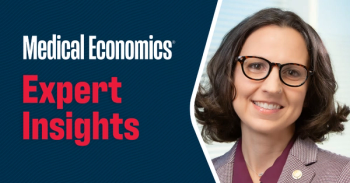
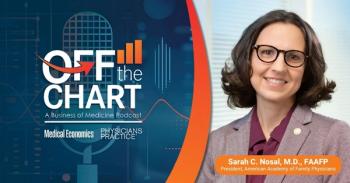
Sarah Nosal, MD, president of the AAFP, explains which parts of a compensation package physicians overlook, why non-competes and scope of practice need to be in writing, and why the moment before you sign is your biggest source of leverage.

A new UC Riverside study links dollar store food quality to higher rates of obesity, high blood pressure, increased cholesterol levels and type 2 diabetes.
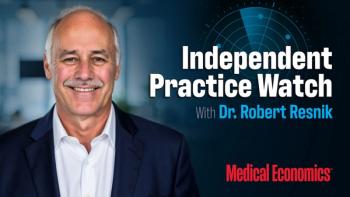
Retrospective data are not irrelevant, but primary care needs AI and advanced analytics to treat real-world patients in real time.

A new JD Power study shows satisfaction with Medicare Advantage falling for the second year in a row. For primary care physicians, the numbers explain a lot about what's landing on their desks.

Is it sympathy or envy?

Compete on your terms to beat the local behemoths

Patient preferences shape clinical decisions, but so do corporate policies, according to PAI survey of employed physicians.
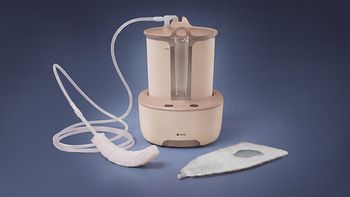
New device pairs with the company's existing external catheters to offer a full at-home management option for the estimated 13 million Americans living with urinary incontinence
Here’s how AI hallucinations are creating a patient safety problem no one is talking about.
Insurers pledged six fixes to prior authorization in June 2025. A year later, only 24% of physicians say denials are getting the specialty-matched review that was promised first.

The top news stories in medicine today.

Meanwhile, patients will pay because employers expect health insurance premiums to rise 10% in 2027.

AMA says new guidance from CMS closed gaps documented in health plans' public prior authorization disclosures, but the work isn't finished.

IC3 and Verizon data show 642 ransomware and data breach incidents hit healthcare in 2025, as AI-fueled phishing and a pending HIPAA Security Rule overhaul raise the stakes for providers.
CEO Casey Pittock says CMS's proposed CY2027 Physician Fee Schedule could bar third-party clinical staff from billing for remote monitoring services.

The top news stories in medicine today.

Inovalon surveyed more than 370 revenue cycle leaders in February 2026 about how prior authorization actually runs inside their organizations. The numbers say the process has barely modernized.
A physician recruitment leader discusses what keeps doctors working happily in practices and health care organizations.

Is the U.S. still on top?

A JAMA Network Open study of nearly 175 million U.S. adults found 68.6% view immediately released results first — many don't understand what they read.

When ChatGPT names an independent practice, the words describing it usually come from sources the practice doesn’t control.
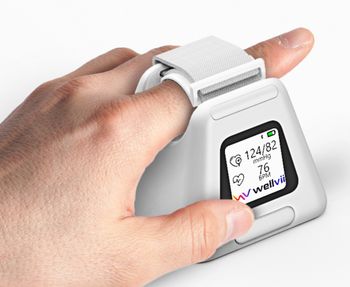
The BP Go device measures blood pressure through the finger instead of a traditional arm cuff, and Wellvii says the clearance supports its push into remote patient monitoring.
Is your recruiting working? Trent Cotton explains the 3 data points that will tell you whether you are winning or losing the recruiting game.

Jay Anders, M.D., chief medical officer of Medicomp Systems, says ambient AI tools reverse-engineer ICD-10 codes from billing needs instead of building them from a complete clinical picture — a gap that may create a patient safety issue.

AI in medicine is supposed to be a tool used by doctors. What happens when it becomes the doctor?