


Practice Management
Latest News
Advertisement
Medical Economics Insider: Save your practice
Check out our inaugural edition of our interactive publication, featuring in-depth reporting, expert insights, exclusive data, and more!

Latest Videos



Shorts

0:37
How should physicians judge job applicants?
5 months ago
by
Jake Link
3:25
Health care is America's top concern; FTC launches health care task force; Pfizer's Lyme Disease vaccine — Morning Medical Update Weekly Recap
5 months ago
by
Austin Littrell

1:02
The problem with AI-driven layoffs
5 months ago
by
Christopher Mayer, Esq.
0:37
What is hiring like at your own practice? Apply for a job to find out
5 months ago
by
Jake Link

1:34
What actually kills business deals?
5 months ago
by
John Pack
0:54
3 Steps before expanding your practice
6 months ago
by
John Pack

0:30
Why virtual visits can feel easier for patients
6 months ago
by
Sarah Matt, M.D., MBA

0:38
The MIPS mistake that's quietly tanking your score
6 months ago
by
Holly Black
0:47
Operating a cash-only medical practice — yes, it makes things easier
6 months ago
by
John C. Cianca, M.D., FAAPMR

0:49
The cost of inaction on workplace violence
6 months ago
by
Andrea Greco

Advertisement
More News

Simple, repeatable coding habits can cut down on denials, support compliance and protect your margins in 2026.

The latest America’s Health Rankings report reveals deep regional and socioeconomic divides in population health. These were the least healthy states in 2025.

AMGA President Jerry Penso, M.D., MBA, and Practicing Excellence founder Stephen Beeson, M.D., discuss their new partnership and why physician training is shifting away from seminars toward in-the-workflow development.

New Hampshire, Massachusetts and Vermont lead the 2025 America’s Health Rankings, but even the highest-scoring states are juggling chronic disease, affordability and access gaps that show up in exam rooms.

The state makes history, partnering with the health-tech startup Doctronic to refill chronic medications under Utah’s AI sandbox .
Pediatrician David Higgins, M.D., M.P.H., M.S., explains why true vaccine hesitancy is rarer than headlines suggest, how social media distorts the picture and what physicians can do to rebuild trust one conversation at a time.

New data show patients are using the chatbot to decode bills, compare insurance and fill access gaps, especially in hospital deserts and after clinic hours.

New Annenberg data show that many in the U.S. misunderstand CDC’s shared clinical decision-making guidance, leaving it up to physicians to explain the new federal vaccine policy.

The revision preserves insurance coverage for all vaccines but shifts several shots to high-risk or shared decision-making categories as HHS promises new clinical trials.

Most Americans remain cautious about AI diagnosing them on its own, but views improve when the tech assists clinicians.

Every doctor I know is sitting on an idea that could improve care. Imagine what could happen if everyone had the time, space and ecosystem that could help them bring it to life.

In November 2025, a panel of physicians, practice leaders and health care experts unpacked the challenges facing independent medical practice, and what the future may look like in 2026.

Our 96th annual Physician Report, released in August, features exclusive data on physician compensation, practice financial health and more.

Greg Grant, the chief operating officer of Specialdocs Consultants, joins the show to explore why 2026 may be a pivotal year for physicians considering the transition to membership-based care.
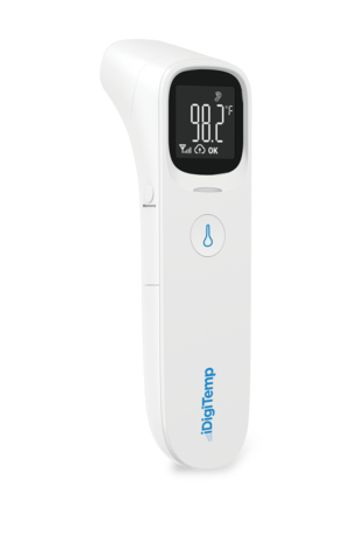
Smart Meter is launching iDigiTemp, a thermometer that advances remote patient monitoring with real-time temperature readings transmitted over the cellular network, enhancing health care connectivity and reliability.

How the right financing partner can boost operational efficiency, strengthen resilience and improve the patient experience.

Accurate detection of LVEDP could improve early detection of heart failure in primary care settings

Bill Heller, CEO at CHG Healthcare, joins the show to talk about physician engagement and other key takeaways from their 2025 Physician Sentiment Survey.

A hidden cost shift is creating a new affordability crisis for patients.

Customized training aims to improve workplace culture and patient experience, organizations said.

Here’s what primary care practices should focus on before committing to a system.

Patients are using digital tools to find care but prioritize human connection once they get there.

Interventions exist that could improve teamwork and on-the-job connections, researchers say.

Revenue loss in primary care is often driven by everyday coding and documentation habits. These seven common mistakes can reduce legitimate reimbursement without physicians realizing it.

Understanding documentation, accuracy and compliance
Advertisement
Advertisement
Trending on Medical Economics
1
Where misinformation about patient health actually comes from
2
Americans still trust Fauci more than Kennedy on public health, even after a Senate panel held him in contempt
3
Health care IT is drowning — and AI just made it worse
4
The 10 most vaccinated states in 2026
5