Nolla Health claims it has the nation’s first approval for artificial intelligence to issue initial prescriptions. Physician review comes later.
What you need to know about the biggest trends that will impact health care in 2026
Medicine in 2026 grapples with a convergence of systemic stresses that threaten access, quality and operational stability across the U.S. health system. Artificial intelligence (AI) sits at the center of both promise and controversy. Although AI tools for diagnostics, claims processing and administrative tasks are rapidly expanding, their implementation often outpaces preparedness. Clinicians and patients alike are concerned about transparency, bias and inappropriate denials generated by automated systems, particularly in insurance claims and utilization reviews, where opaque algorithms can delay or block care without clear oversight.
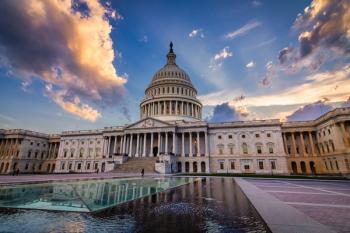
The One Big Beautiful Bill Act of 2025 has intensified uncertainty. This sweeping federal budget reconciliation law includes substantial cuts to Medicaid funding and changes to eligibility rules, potentially reducing coverage for millions and squeezing safety-net providers. Critics warn that these shifts could exacerbate hospital financial stress, deepen rural access issues and increase uncompensated care burdens.
Finally, loss of insurance coverage is rising. Policy shifts and subsidy expirations are projected to push significant numbers of individuals out of Medicaid and Affordable Care Act marketplaces, leaving many without affordable options. This growing uninsured population correlates with delayed care, advanced disease at presentation and increased strain on emergency systems.