



Chronic Condition Management
Latest News
Advertisement
Latest Videos


Shorts
0:49
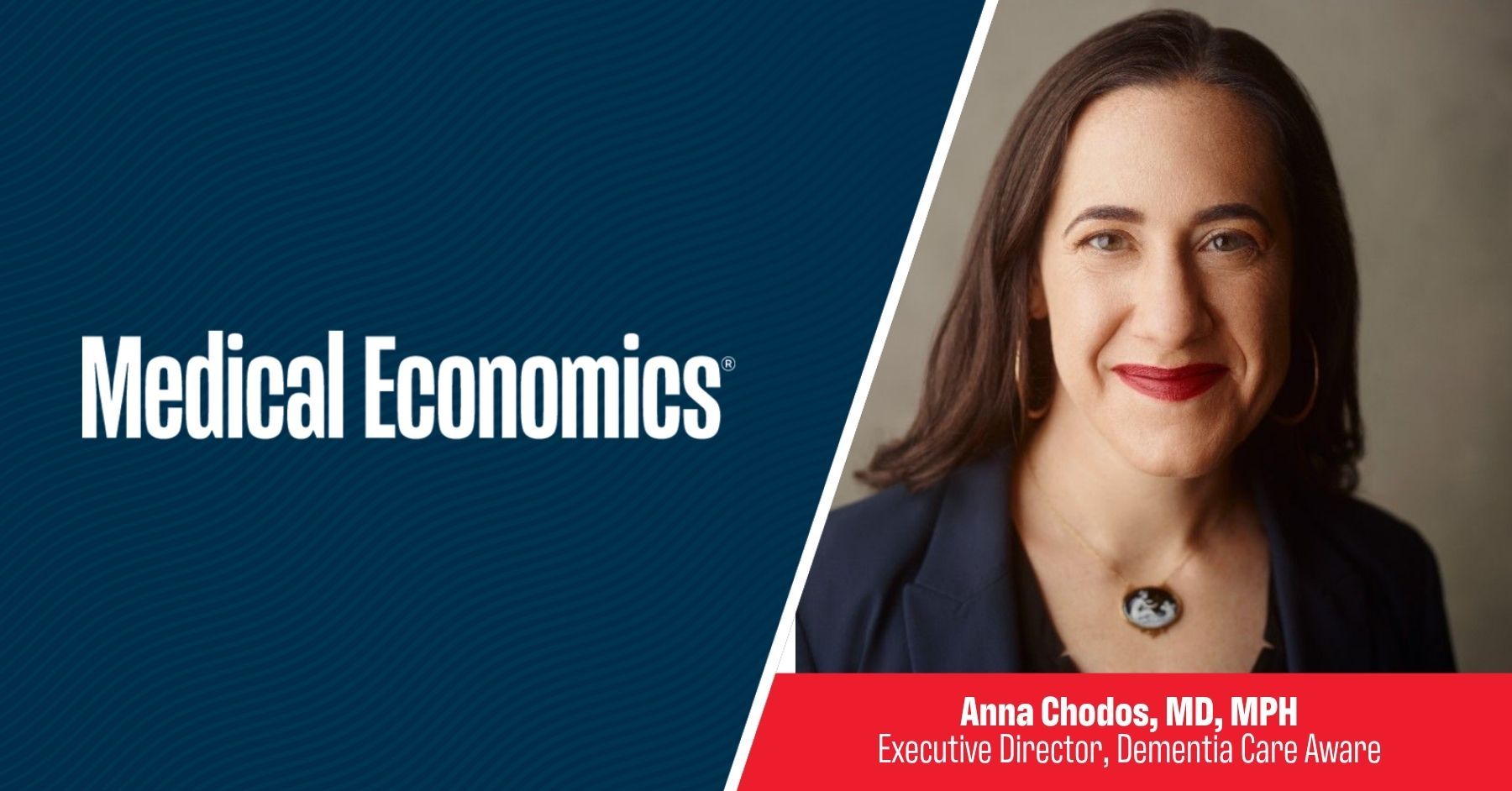
How to deliver a dementia diagnosis with compassion
3 months ago
by
Anna Chodos, M.D.
0:37
The shocking reality of diabetic foot ulcers
3 months ago
by
Ned Swanson, M.D.
1:15
Skin substitute fraud crackdown: the state of medicine for wound care
3 months ago
by
Ned Swanson, M.D.
0:50
Why standard skin substitutes fail and how new tech actually heals
4 months ago
by
Ned Swanson, M.D.
1:13
Medicare and Medicaid's GLP-1 programs: A real split or a distinction without a difference?
4 months ago
by
Tracy Zvenyach, Ph.D., M.S., R.N.
0:39
The bold vision: a world without heart disease
4 months ago
by
Francisco Lopez-Jimenez, M.D., M.S., MBA
0:39
Why patients need a blood pressure monitor more than a TV
4 months ago
by
Francisco Lopez-Jimenez, M.D., M.S., MBA

0:39
Help your patients stop being overwhelmed by longevity ‘experts’
4 months ago
by
Kyla M. Lara-Breitinger, M.D., M.S.
0:34
Why patients should stop focusing on just 'losing weight'
4 months ago
by
Francisco Lopez-Jimenez, M.D., M.S., MBA
0:59
How doctors can actually make patients feel heard
4 months ago
by
Kyla M. Lara-Breitinger, M.D., M.S.

Advertisement
More News

Learn more about the goals, procedures and billing of the new 10-year ACCESS payment model.
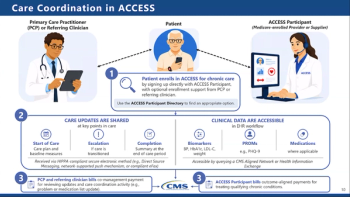
The new 10-year mix of tech, chronic condition management and primary care launches in July.

Two Physicians Foundation experts discuss why where a patient lives may shape their health more than the care they receive and what physicians can actually do about it.
Clubfoot is treatable, yet too many children still go without care. Family physicians and pediatricians have a critical role in closing this gap.

Here's a place to start the discussion when patients ask about one of the hottest issues across medicine and health care.

The top news stories in medicine this week.

Mayo Clinic cardiologist authors explain why incremental steps can lead patients to better health and more joy in life.

Most teens and young adults call the adult health care system confusing, and the physicians who treat them agree.
The top news stories in medicine this week.
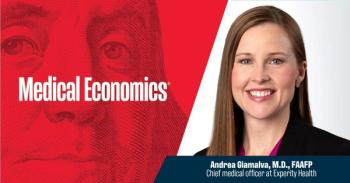
Experity's Andrea Giamalva, M.D., FAAFP, says urgent care was never designed to replace primary care, but with a looming physician shortage and nearly 40% of Gen Z without a PCP, it's filling gaps the system hasn't figured out how to close.
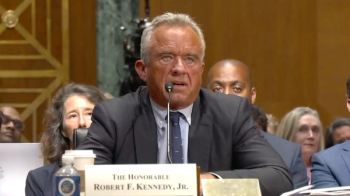
HHS Secretary Robert F. Kennedy Jr. dismissed the two vice chairs of the U.S. Preventive Services Task Force effective May 11, prompting immediate condemnation from the American Medical Association and other public health groups.

A pediatric emergency physician explains how she took her fight against preventable child injuries, unsafe sleep and online predators from the emergency room to social media.

Everyday prescriptions such as atorvastatin, lisinopril and metformin are now on the federal price comparison site, though experts say insured patients still may pay less through their plans.
What physicians should know about treatment options for patients with obesity — and why they need to be advocates

Cardiologist authors explain what primary care physicians should know about the latest research on CVD.

Dem doctors in Congress say USPSTF is not broken and HHS secretary should not try to fix it.





Better referral relationships with trusted home-based providers can reduce avoidable setbacks, improve continuity, and support more stable care for complex patients.

Experity Chief Medical Officer Andrea Giamalva, M.D., FAAFP, says urgent care is becoming a broader front door to care.

Four primary care experts unpack a landmark report showing that investing in primary care isn't just good medicine — it's the most powerful cost-reduction strategy the U.S. isn't using.

New Mayo Clinic guide aims to present latest heart health information to patients — and it can help doctors, too.
Advertisement
Advertisement
Trending on Medical Economics
1
How unbundled maternity care codes could change OB/GYN pay in 2027
2
Midterms could give Democrats leverage on Medicaid cuts and ACA subsidies, policy experts say
3
Medicaid work requirements: 44% of members unprepared, survey finds
4
How hospital contract tactics and private equity are squeezing independent physicians, and the bills that could stop it
5