Prior authorization, step therapy and shifting coverage rules keep patients from obesity drugs with proven benefits, an endocrinologist argues — and the long-term savings make the case for broader access.
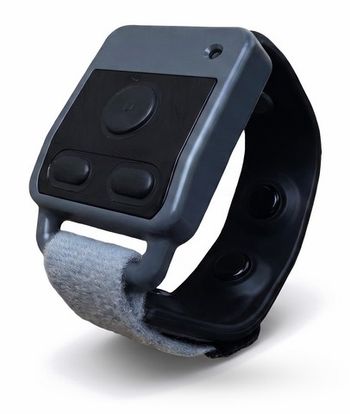
Encora X1, an FDA-cleared wrist device, uses mechanical rather than electrical neurostimulation, giving VA clinicians an option for patients who can't tolerate medication or have implanted electrical devices.
An AI system that simulates a panel of physicians reached the correct diagnosis in about 80% of test cases, compared with 36% to 47% for generalist physicians, though researchers caution the results come from a controlled, text-only benchmark rather than real-world practice.
From opt-out handling and consent records to encryption and carrier registration, here's what a compliant patient texting system needs and the questions to ask before choosing a vendor.
Physicians have embraced ambient documentation faster than almost any technology before it. But every note it writes carries your signature, and lawyers, auditors and patients are starting to read those notes closely.
Physician groups in risk contracts often learn what they owe months or years after the fact. Medical Economics spoke with Najib Jai, M.D., MBA, chief operating officer of Arbital Health, about why settlements turn into disputes and how actuarial AI tracks contract performance while the year is still underway.