Prior authorization, step therapy and shifting coverage rules keep patients from obesity drugs with proven benefits, an endocrinologist argues — and the long-term savings make the case for broader access.
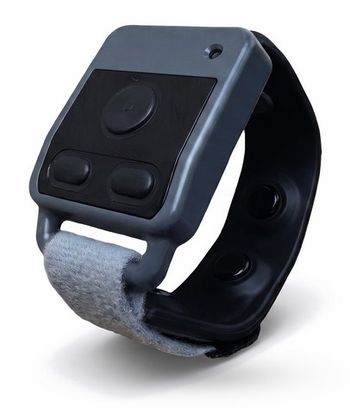
Under the program, eligible Medicare beneficiaries will be able to use WHOOP’s wearable device and data platform to receive continuous health monitoring, personalized insights and real-time coaching.
WHOOP, a human performance company, said its affiliated health care provider has been selected to participate in a federal initiative aimed at improving access to technology-enabled care for Medicare beneficiaries with chronic conditions.
WHOOP Physician Services, PC, has been named to the first cohort of the Centers for Medicare & Medicaid Services Innovation Center’s ACCESS program, the company announced. The program is designed to expand access to high-quality, technology-driven care models, particularly for patients managing chronic diseases.
Under the program, eligible Medicare beneficiaries will be able to use WHOOP’s
The ACCESS program is intended to integrate new care approaches without disrupting existing treatment. Patients will not need to change physicians or alter their Medicare coverage to participate, according to the company. WHOOP Physician Services also said it will cover cost-sharing associated with the program, removing financial barriers for participating seniors.
Company officials said the inclusion of wearable technology reflects growing interest in using real-time health data to improve outcomes and reduce costs in chronic disease management.
“This is a turning point for Medicare in America,” said Will Ahmed, founder and CEO of WHOOP. “For the first time, continuous, real-time data can guide care … every day of their lives.”
Dan Henderson, medical director of WHOOP Physician Services, said the program allows for a more proactive approach to managing cardiometabolic risk by combining continuous monitoring with clinical oversight and coaching.
WHOOP, founded in 2012 and based in Boston, offers a subscription-based wearable platform focused on sleep, recovery, strain and overall health metrics.
Advances in digital health technology are reshaping how chronic conditions such as diabetes, hypertension and heart disease are monitored and treated, with a growing emphasis on continuous data collection and remote care.
Wearable devices and remote monitoring tools have become increasingly
At the same time, remote patient monitoring programs have expanded rapidly, supported in part by Medicare reimbursement changes that began during the COVID-19 pandemic. These programs often combine connected devices with care teams that review incoming data and provide timely feedback, creating a more dynamic model of care.
Artificial intelligence and predictive analytics are also playing a growing role. By analyzing large volumes of patient-generated data, these systems can identify patterns and flag risks before symptoms worsen. This shift is helping move care from a reactive model — treating illness after it develops — to a proactive one focused on prevention and early intervention.
Behavioral coaching and patient engagement platforms are another key development. Many programs now include personalized recommendations, goal-setting and feedback designed to encourage healthier habits, which are critical in managing chronic conditions over time.
Despite these advances, challenges remain. Integrating new technologies into existing clinical workflows, ensuring data accuracy and addressing disparities in access — particularly among older adults — are ongoing concerns. Still, the broader trend points toward a more connected, data-driven healthcare system that extends beyond the clinic and into patients’ daily lives.