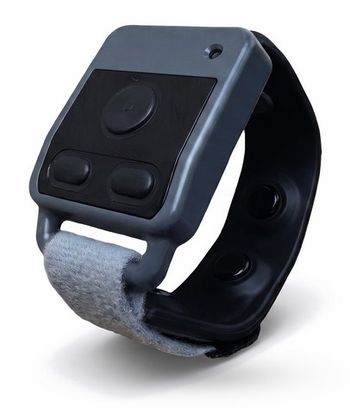
Encora X1, an FDA-cleared wrist device, uses mechanical rather than electrical neurostimulation, giving VA clinicians an option for patients who can't tolerate medication or have implanted electrical devices.
The $12.8 million all-cash deal adds a North Carolina-based biomedical calibration provider to Transcat's regulated life sciences portfolio.
Transcat Inc. (Nasdaq: TRNS), a provider of accredited calibration services and test and measurement equipment, has acquired privately held Southeastern Biomedical Associates Incorporated, the company announced. The deal closed effective Aug. 31, 2026.
The $12.8 million purchase price was paid in cash and remains subject to customary adjustments and holdback provisions, according to the announcement.
Southeastern, founded in 1996 and headquartered in Granite Falls, North Carolina, provides calibration, repair, preventive maintenance, electrical safety inspection and documentation and regulatory compliance services to
According to Transcat, the acquisition complements its existing biomedical business by extending its capabilities and geographic footprint in what the company expects to be a growing end market. Transcat operates more than 30 calibration labs across North and Central America and says the deal positions it to support hospital networks and other regulated customers that rely on consistent, accredited calibration for patient safety and
"The acquisition of Southeastern Biomedical reinforces Transcat's strategy of deepening our presence in the Life Science sector, one of the most regulated and mission-critical end markets we serve," said Jaime Irick, Transcat's president and CEO, in a statement. "Southeastern's reputation for high quality and a customer-first approach supporting hospital networks throughout the southeastern region of the United States and beyond builds on our established leadership in biomedical calibration and will position us to service a much larger geography with a consistent focus on quality and timely service for our customers in these critical end markets."
Irick also welcomed Southeastern's employees to Transcat, crediting the company's prior owners, Boyd Campbell and Greg Johnson, with building "a high-quality culture and reputation in the industry" that he said aligns with Transcat's core values.
Johnson, co-owner of Southeastern Biomedical, said the company has built a reputation for quality and customer satisfaction over more than 30 years serving the southeastern U.S. and beyond. "There was never a doubt that Transcat was the right partner to take our company to the next level of growth," Johnson said. "Transcat has developed a reputation in this industry for treating acquired employees and customers right, and for focusing on the key attributes and operating principles that have made Southeastern successful over time."
Irick said the combination is expected to accelerate growth across the companies' combined customer base and support faster turnaround times in regulated markets. "Acquisitions like this one remain central to our go-forward strategy, strengthening our value proposition in regulated verticals and supporting the disciplined growth that underpins our fiscal 2027 outlook, which includes M&A and continued service gross margin expansion," he said.
Southeastern's customers include hospitals, ambulatory surgical centers, clinics, physician offices, home care dealers and EMS providers, according to the company.
The Southeastern deal lands amid a broader push by health systems to formalize biomedical equipment maintenance and calibration programs as regulatory scrutiny of medical device performance intensifies. Hospitals and outpatient facilities face ongoing obligations under FDA equipment-management requirements and accreditation standards from bodies such as ISO/IEC and The Joint Commission, which hold facilities responsible for documenting that diagnostic and therapeutic equipment is properly maintained and calibrated.
That compliance burden has fueled demand for third-party biomedical equipment services, particularly among smaller and mid-sized hospital systems that lack the in-house engineering staff to manage calibration, preventive maintenance and safety inspections at scale. Consolidation among service providers, echoing the broader wave of hospital and health system M&A activity in recent years, has allowed larger players to offer accredited, standardized service across wider geographic footprints while smaller regional providers gain access to additional capital and infrastructure.
For hospital administrators and physician practices that rely on outside vendors for equipment upkeep, the trend points toward fewer, larger biomedical service providers capable of supporting multi-state health systems under a single quality framework, rather than a patchwork of regional vendors.