


Key changes physicians need to know in the American Diabetes Association's 2026 Standards of Care in Diabetes.

Austin Littrell is associate editor of Medical Economics.
Key changes physicians need to know in the American Diabetes Association's 2026 Standards of Care in Diabetes.


New JAMA analysis tracks employer-sponsored insurance, wages and inflation from 1999 to 2024.
American College of Physicians President Jason Goldman, M.D., MACP joins the show to talk about medical misinformation.


Most older adults say they could travel longer to see their primary care physician, but survey results find lower limits among vulnerable patient groups.

Commission cites stable access and strengthening finances, urges targeted support for hospitals caring for more low-income Medicare patients.

The top news stories in medicine today.
Jared Rhoads, M.S., M.P.H., joins the show with a different take on private equity.
Commission staff present chair’s draft recommendation for a 0.5-point boost above current law as survey data show Medicare outperforms commercial coverage on access and wait times.

The top news stories in medicine today.
New polling reveals declining confidence in the CDC after autism-vaccine claims were added to federal guidance, with Americans leaning toward guidance from the American Medical Association when recommendations clash.

The top news stories in medicine today.

The specialty outlines training, certification and core care elements to advance the “Quintuple Aim.”

More immigrant adults are skipping medical visits and worrying about physicians sharing their information with federal authorities, KFF-New York Times survey shows.

The top news stories in medicine today.

Study links continuity in primary care to substantially lower rates of preventable acute hospitalizations.

These underused Medicare codes can support better care and more stable revenue.
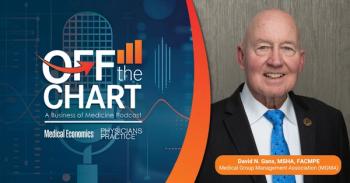
Retired MGMA senior fellow David Gans, MSHA, FACMPE, joins the show to break down the rising costs, flat reimbursement, staffing strain and tech decisions shaping medical practice performance heading into 2026.
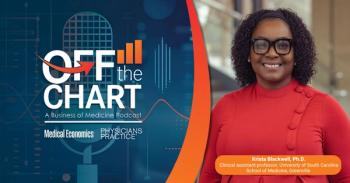
Krista Blackwell, Ph.D., joins the show to break down the new CDC and American Heart Association reports on ultraprocessed foods.

The top news stories in medicine today. Happy Thanksgiving from Medical Economics!
The top news stories in medicine today.

The U.S. lost 11% of its rural family physician workforce from 2017 to 2023, with the steepest declines in the Northeast.

Stronger staffing and better work environments linked to fewer physicians intending to quit, JAMA study shows.

Loren Adler, fellow and associate director at the Brookings Institution’s Center on Health Policy, joins the show to discuss how payer ownership is reshaping primary care and what it means for independent physicians.
The top news stories in medicine today.

Physician mental health remains overshadowed by stigma, culture and outdated licensing barriers. Daniel Saddawi-Konefka, M.D., MBA, and Christine Yu Moutier, M.D., break down why physicians still struggle to seek help and what reforms could finally move the needle.
The top news stories in medicine today.