

A negative Net Promoter Score doesn’t just reflect morale — it flags loyalty risk physicians can’t ignore.

Austin Littrell is associate editor of Medical Economics.
A negative Net Promoter Score doesn’t just reflect morale — it flags loyalty risk physicians can’t ignore.


Progressive Policy Institute finds hospital and corporate ownership of practices climbed to 59% by 2023, whereas independent practices declined fastest in rural communities, and prices rose following acquisitions.
Physicians trust their direct supervisors far more than executive leadership. Bill Heller explains how visibility and proximity shape credibility.

The top news stories in medicine today.

Medical billing software sits at the center of the modern revenue cycle, but the sticker price rarely reflects what practices actually pay.
Colleen Denny, M.D., FACOG, joins the show to break down what patients are hearing online, how medical misinformation shows up in the exam room and why physicians still play a central role in restoring trust.
Highly engaged physicians are far more likely to trust leadership — and Bill Heller says transparency and follow-through matter more than grand strategy.
CHG Healthcare’s latest survey shows most physicians say they’re satisfied at work, but very few feel truly engaged — a gap that carries real retention risk for practices.


Michigan Medicine analysis of 539 million appointments shows overall volume flat or falling, even in specialties that leaned hardest on virtual care.
Michael Jerkins, M.D., M.Ed., a practicing physician and co-founder of Panacea Financial, joins the show to discuss financial independence, physician debt and why financial decisions can quietly take control of a physician's time.


The top news stories in medicine today.

Simple, repeatable coding habits can cut down on denials, support compliance and protect your margins in 2026.
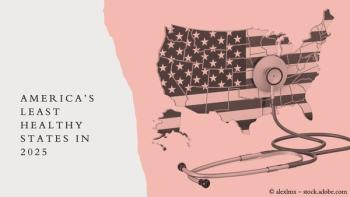
The latest America’s Health Rankings report reveals deep regional and socioeconomic divides in population health. These were the least healthy states in 2025.

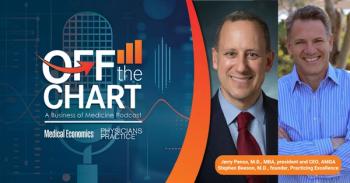
AMGA President Jerry Penso, M.D., MBA, and Practicing Excellence founder Stephen Beeson, M.D., discuss their new partnership and why physician training is shifting away from seminars toward in-the-workflow development.
The top news stories in medicine today.
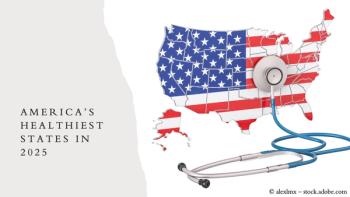
New Hampshire, Massachusetts and Vermont lead the 2025 America’s Health Rankings, but even the highest-scoring states are juggling chronic disease, affordability and access gaps that show up in exam rooms.

The state makes history, partnering with the health-tech startup Doctronic to refill chronic medications under Utah’s AI sandbox .

The new health-focused tab in ChatGPT lets users sync lab results, records and data from wellness apps for tailored answers.
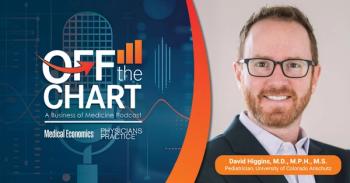
Pediatrician David Higgins, M.D., M.P.H., M.S., explains why true vaccine hesitancy is rarer than headlines suggest, how social media distorts the picture and what physicians can do to rebuild trust one conversation at a time.

New data show patients are using the chatbot to decode bills, compare insurance and fill access gaps, especially in hospital deserts and after clinic hours.

New Annenberg data show that many in the U.S. misunderstand CDC’s shared clinical decision-making guidance, leaving it up to physicians to explain the new federal vaccine policy.

Wearables, artificial intelligence and workplace care models push medicine further from the clinic and deeper into daily life, group says.