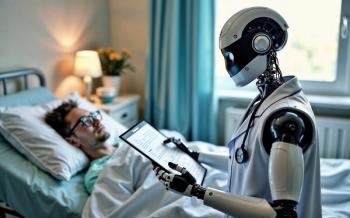
Physicians have embraced ambient documentation faster than almost any technology before it. But every note it writes carries your signature, and lawyers, auditors and patients are starting to read those notes closely.
An empty exam room is more than a missed appointment; it’s a breakdown in patient engagement.
An
For regional practices, that breakdown hits especially hard. Lost appointments mean lost revenue, lost time and degraded efficiency, and without the scale of a large health system to absorb those losses, the impact increases quickly.
No-shows aren’t inevitable. Practices that adopt automated, proactive engagement are already reducing them, while improving the patient experience, strengthening the connection between patients and the providers who care for them.
The reasons patients skip appointments or cancel at the last minute are well-documented. According to a
The root cause isn’t patient behavior; it’s outdated communication models that haven’t kept up with how patients live and interact today.
Patients now expect a seamless, frictionless experience in healthcare, much like they get in other parts of their lives. Those expectations collide directly with how most practices still communicate. Think about the experience of booking a flight or ordering a product online. The process is intuitive, and the next step is always clear. When healthcare’s outdated communication systems can’t meet these expectations, the results are no-shows and late cancellations.
Researchers who
That last point matters most. Impersonal communication doesn’t drive action.
The same study also recommended ways for practices to enhance patient reminders. These recommendations included mixing up content and format, keeping information simple and short, including specifics about clinic location and contact information, letting patients control the reminders, and, perhaps most importantly, personalizing reminders to individual patients.
The solution to no-shows lies in better and personalized patient communication.
Practices that successfully reduce no-shows are making a clear shift from one-way reminder calls and manual follow-ups to automated, two-way, multi-channel communications. This proactive method of reducing no-shows changes how practices show up for their patients, ultimately strengthening connections between patients and providers. It all comes down to a better way of communicating.
Messages that provide information about specific procedures or tests can help reduce patient anxiety that often leads to no-shows. Data analysis can also help personalize messages for patients who might need specialized efforts or information to help them keep appointments. For example,
A reminder in the wrong language isn't a reminder at all. AI-powered engagement tools can ensure outreach reaches patients in their preferred language and through the channel that works best for them, whether that's a phone call, a text or an email.
Automated engagement also allows patients to reschedule, cancel or ask questions about their appointments at their convenience. The easier it is for a patient to adjust an appointment, the better the experience for both the patient and the provider.
Finally, tailored communications reduce the burden on staff. Automation and personalized messaging allows staff to focus on more complex tasks best suited to their expertise, improving morale.
Adopting any new tool in healthcare requires more than a technology decision. Privacy regulations, system complexity and staff trust all shape whether a solution takes hold or quietly gets abandoned.
Finding the right automated messaging tool should be a practice-wide process. Practices should create cross-functional governance teams to ensure tools meet necessary clinical, technical and regulatory standards before adopting them.
While automated communications can free up staff from making outbound calls and other scheduling tasks, it’s also important to ensure the practice still has the capacity to handle incoming calls prompted by reminders.
Reducing no-shows is ultimately about making it easier for people to stay connected to their care. When a patient gets a timely, clear, personalized reminder, and can confirm or reschedule in seconds, they're more likely to show up. And showing up, in healthcare, can make all the difference.
Sam Meckey is president of