

Austin Littrell
Advertisement

Austin Littrell is associate editor of Medical Economics.
Articles by Austin Littrell

Psychiatrist and Edge co-founder, Rihan Javid, D.O., J.D., explains how rising wages, turnover and labor competition are reshaping physician practices — and why flexibility is becoming essential.

Acknowledgment, clarity and smart trade-offs matter more than quick fixes.


Innovaccer's 2026 “State of Revenue Lifecycle in Healthcare” report shows most organizations now run AI in live workflows, yet fragmented data and point solutions are slowing scale.

Advance notice projects 0.09% average increase as agency moves to tighten risk adjustment; insurer stocks drop.
Economic anxiety is real — but connection determines who stays grounded.


Medical groups say stepped-up operations by federal agents are stoking fear, keeping patients from hospitals and raising safety concerns for clinicians.

Rihan Javid, D.O., J.D., co-founder and president of Edge, joins the show to discuss how staffing pressures are landing inside medical practices in 2026.
Economic uncertainty matters, but engagement is the real retention lever.

New white paper argues pharmacy benefit managers’ slim margins reflect bookkeeping and consolidation, not necessarily low profits, as oversight push intensifies.

Token surveys and late-stage consultation undermine trust and lead to worse decisions.

Carl White, MBA, president of MarketVisory Group, joins the show to explain why good care is no longer enough and what independent practices must do to stay visible and competitive in 2026.
Physicians want input. The problem isn’t apathy — it’s whether leaders are listening and acting.

Medical Economics sat down with Bill Heller, chief operating officer at CHG Healthcare, to discuss the company’s latest survey on why satisfaction alone isn’t enough to retain physicians.
A negative Net Promoter Score doesn’t just reflect morale — it flags loyalty risk physicians can’t ignore.


Progressive Policy Institute finds hospital and corporate ownership of practices climbed to 59% by 2023, whereas independent practices declined fastest in rural communities, and prices rose following acquisitions.
Physicians trust their direct supervisors far more than executive leadership. Bill Heller explains how visibility and proximity shape credibility.

The top news stories in medicine today.

Medical billing software sits at the center of the modern revenue cycle, but the sticker price rarely reflects what practices actually pay.

Colleen Denny, M.D., FACOG, joins the show to break down what patients are hearing online, how medical misinformation shows up in the exam room and why physicians still play a central role in restoring trust.
Highly engaged physicians are far more likely to trust leadership — and Bill Heller says transparency and follow-through matter more than grand strategy.
CHG Healthcare’s latest survey shows most physicians say they’re satisfied at work, but very few feel truly engaged — a gap that carries real retention risk for practices.

Michigan Medicine analysis of 539 million appointments shows overall volume flat or falling, even in specialties that leaned hardest on virtual care.
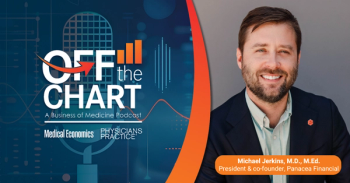
Michael Jerkins, M.D., M.Ed., a practicing physician and co-founder of Panacea Financial, joins the show to discuss financial independence, physician debt and why financial decisions can quietly take control of a physician's time.
Advertisement
Advertisement
Advertisement
Trending on Medical Economics
1
What they're saying about the draft 2027 Medicare Physician Fee Schedule
2
Dr. Oz on ACCESS: Let’s treat patients instead of just checking boxes
3
AI in rural primary care: 6 questions physicians must answer with their nurses and APPs
4
Hiring more specialists alone won't shorten wait times, NEJM Catalyst analysis argues
5