




Practice Technology
Latest News
Advertisement
Latest Videos






Advertisement
More News

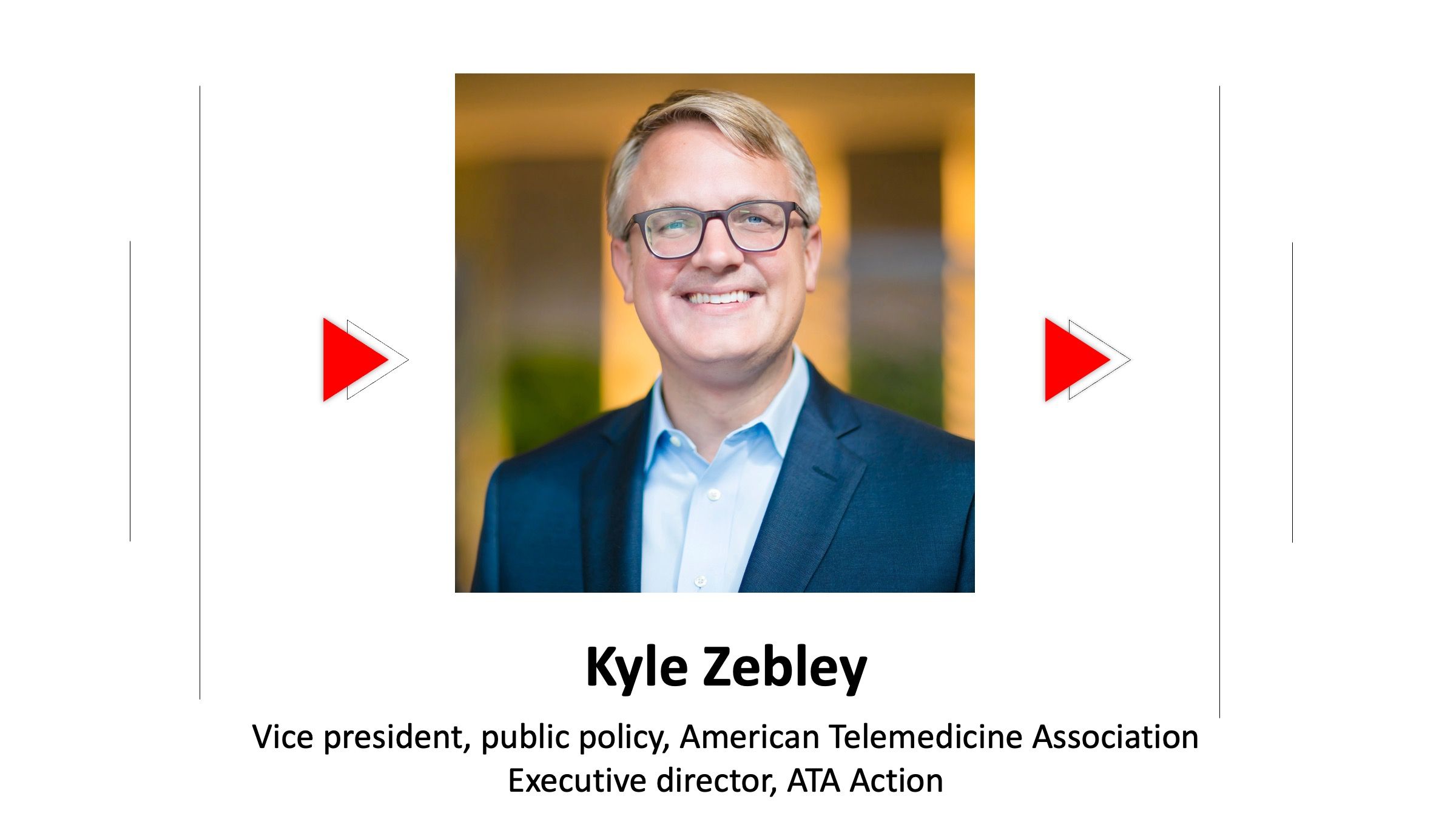
Congressional action could help or hurt availability of telehealth, which has grown to become a major part of the U.S. health care system.

Telehealth regulations in Washington, D.C.: Bipartisan support, even in an era of political division
Congressional action could help or hurt availability of telehealth, which has grown to become a major part of the U.S. health care system.
Congressional action could help or hurt availability of telehealth, which has grown to become a major part of the U.S. health care system.
Congressional action could help or hurt availability of telehealth, which has grown to become a major part of the U.S. health care system.

Technology and AI offerings for doctors are exploding. Should you integrate more tech into your practice?
Technology and AI offerings for doctors are exploding. Should you integrate more tech into your practice?
Technology and AI offerings for doctors are exploding. Should you integrate more tech into your practice?

Congress and President Donald J. Trump are working toward a March 14 deadline to either fund the government or have many services shutdown.

Study finds primary care physicians frequently log into electronic health records during PTO, though longer vacations may help them disconnect.
Technology and AI offerings for doctors are exploding. Should you integrate more tech into your practice?
Technology and AI offerings for doctors are exploding. Should you integrate more tech into your practice?
Technology and AI offerings for doctors are exploding. Should you integrate more tech into your practice?

Here’s what to know about advanced primary care management — and how to get paid for it.

A new study explores patient satisfaction with AI-generated responses, prompting ethical debate over disclosure in health care communications.

Here’s why doctors should consider bringing cardiac monitoring in-house to improve patient care.

A significant opportunity for cost savings lies within administrative tasks, which often become burdensome and time-consuming.

The threats emerge from almost every aspect of the health care system.

ATA praises continuing resolution, ‘but there remains work to be done,’ ATA leader says.

Ericka Adler, JD, of Roetzel & Andress, joins the show to discuss factors you should consider before selling your practice.

A slideshow of the analysis by the American Telemedicine Association.
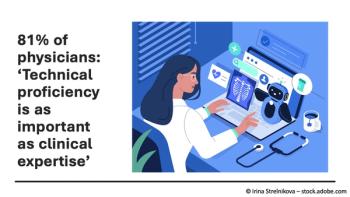
Physicians spend an average of 22 personal hours per month learning about new health care technology, says Sermo survey.

Company adds ability to analyze tables, charts and diagrams

A more human way of thinking can overcome legitimate concerns that doctors have about artificial intelligence.

Despite advances in health care information exchange, the flow of data between large hospitals and small care facilities is anything but smooth and seamless.

A Florida Atlantic University study paired high school students with older adults to improve tech literacy and health tracking.
Advertisement
Advertisement
Trending on Medical Economics
1
AI system outperforms physicians on diagnostic accuracy in Microsoft study
2
Rural Missouri health center that delivers more than 525 babies a year with two OB/GYNs lands $540,000 for obstetric staffing
3
Your AI scribe is saving you time. Is it also building the case against you?
4
Midterms could give Democrats leverage on Medicaid cuts and ACA subsidies, policy experts say
5