







Practice Technology
Latest News
Advertisement
Latest Videos


Advertisement
More News

People who requested genetic tests were customers, not patients, so legal protection may be limited.

FDA approves Dawes-Redman CTG analysis for U.S. use, enhancing fetal monitoring
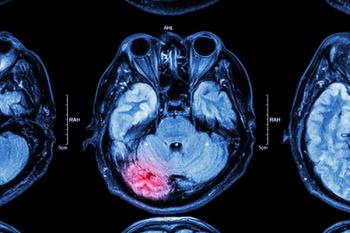
Anuncia Medical secures FDA Breakthrough Designation for ReFlow EVD, advancing neurocritical care

Rohit Harve of PA Consulting talks tariffs and their impact on the medical device industry.

As business and administrative challenges continue to mount — from declining reimbursement rates to increased competition — our mission is to deliver timely content that helps you run your practice more effectively. Enter Medical Economics Insider.

Public health experts describe the latest on measles cases in Texas and broader concerns about vaccinations.

Study shows the test identified 77% of stage I and stage II cancer cases

Telehealth has more risks than you may realize. Are you protected?
As business and administrative challenges continue to mount — from declining reimbursement rates to increased competition — our mission is to deliver timely content that helps you run your practice more effectively. Enter Medical Economics Insider.
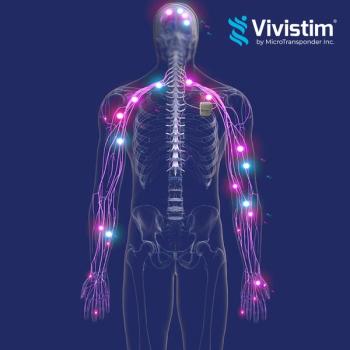
Investment will support the expansion of its FDA-approved therapy designed to improve upper extremity function in chronic ischemic stroke survivors.

Burnout is caused by more than just the EHR

Technology and AI offerings for doctors are exploding. Should you integrate more tech into your practice?
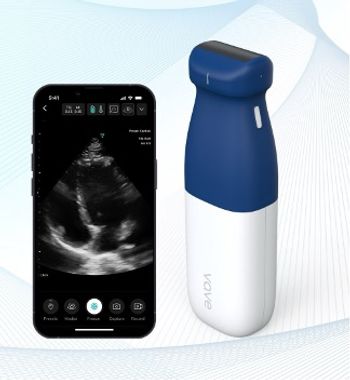
Vave Health launches Universal Wireless Probe for enhanced medical imaging

Continuing resolution includes some provisions to help Medicare beneficiaries get online visits.

Research finds open-source AI rivals GPT-4, paving the way for secure, in-house AI diagnostic tools.

ATA policy chief explains congressional power to extend flexibilities that allow Medicare to cover online visits.
Technology and AI offerings for doctors are exploding. Should you integrate more tech into your practice?
Technology and AI offerings for doctors are exploding. Should you integrate more tech into your practice?
Technology and AI offerings for doctors are exploding. Should you integrate more tech into your practice?
Technology and AI offerings for doctors are exploding. Should you integrate more tech into your practice?

Tariffs could play a big role in what you pay for medical devices, and they may disrupt the entire industry
Tariffs could play a big role in what you pay for medical devices, and they may disrupt the entire industry
Tariffs could play a big role in what you pay for medical devices, and they may disrupt the entire industry
Tariffs could play a big role in what you pay for medical devices, and they may disrupt the entire industry
Tariffs could play a big role in what you pay for medical devices, and they may disrupt the entire industry
Advertisement
Advertisement
Trending on Medical Economics
1
AI system outperforms physicians on diagnostic accuracy in Microsoft study
2
Rural Missouri health center that delivers more than 525 babies a year with two OB/GYNs lands $540,000 for obstetric staffing
3
Your AI scribe is saving you time. Is it also building the case against you?
4
Midterms could give Democrats leverage on Medicaid cuts and ACA subsidies, policy experts say
5