




Careers
Latest News
Advertisement
Latest Videos

Shorts
1:15
What is personal branding? Leigh Steinberg explains
2 months ago
by
Leigh Steinberg
0:58
Why primary care physicians are burning out
2 months ago
by
Gary Jacobs
1:49
The shocking 15-year age gap in when physicians leave practice
2 months ago
by
Lisa Rotenstein, M.D., MBA, M.Sc.
1:09
Loosening MSO rules could unlock hospital innovation
2 months ago
by
Wayne Winegarden, Ph.D.
1:28
What low overhead actually looks like in direct primary care
2 months ago
by
Josh Umbehr, M.D.
0:49
Concierge medicine is spreading well beyond primary care
3 months ago
by
Ericka Adler
3:33
Medicare covers weight-loss drugs; one year of the One Big Beautiful Bill Act; American medicine at 250 — Morning Medical Update Weekly Recap
3 months ago
by
Austin Littrell
0:32
Most doctors don't see this tax bill coming
3 months ago
by
Michael Jerkins, M.D., M.Ed.
1:34
Is medicine still worth it?
3 months ago
by
Michael Jerkins, M.D., M.Ed.
1:07
The hidden trap in physician contracts
4 months ago
by
Jillian Vestal, J.D.
Podcasts




Advertisement
More News

Panacea Financial's 2026 survey found that physician financial confidence barely budges across an entire career. The reasons why go deeper than income.
Atlas MD co-founder Josh Umbehr, M.D., who has been in direct primary care practice since 2010, explains why he thinks the model is closer to mainstream than most physicians realize.
Carlos Cardenas, M.D., explains why a CMS request for information may signal the most significant opening for physician-owned hospitals since the Affordable Care Act slammed the door 15 years ago.

Four in 10 physicians have a side gig. Here are the data on who succeeds, where the money is going and what doctors who've done it wish they'd known sooner.

Concrete habits that help primary care physicians close charts in the room, not at 9 p.m.
A pediatric emergency physician explains how she took her fight against preventable child injuries, unsafe sleep and online predators from the emergency room to social media.
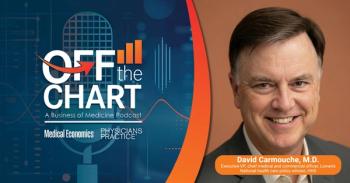
Lumeris CMO David Carmouche, M.D., makes the case that AI's biggest opportunity in primary care isn't replacing physicians, it's giving them back the time and cognitive space to actually practice medicine.

A new American Medical Association survey ranks the country's largest commercial health insurers by the prior authorization burden they impose on physician practices.
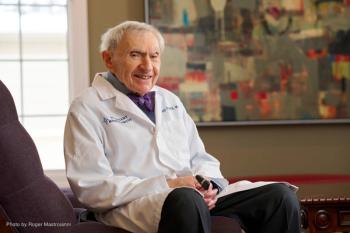
Posthumous advice on medicine and life from the world’s oldest doctor.
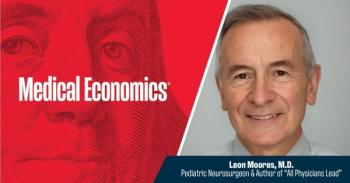
Leon Moores, M.D., a pediatric neurosurgeon and author, says listening is the highest-leverage leadership skill most physicians are leaving on the table.

Federal borrowing caps, the end of SAVE and a new income-driven repayment plan begin reshaping the federal student loan system this summer.

AACOM report shows 98.76% placement rate for 2026.

A video explainer about why patients in direct primary care end up loving their doctors.
Fight burnout and be a better doctor by becoming an amateur anthropologist, starting with your next patient.

Burnout, hassle and unrealistic patient demands have replaced personal health concerns and rising malpractice premiums as the top drivers of early physician exits.
Panacea Financial's 2026 survey reveals that debt, contract confusion and tax complexity are keeping physicians financially stuck at every stage of their career.

A report from the Peterson Health Technology Institute says efficiency in AI tools is still lacking.
By framing the issue solely as 'burnout,' we overlook its true cause by failing to distinguish it from deeper ethical harm, and, in doing so, miss essential policy implications.

The top news stories in medicine this week.
Women doctors are fleeing medicine. Technology, autonomy and compensation for time all could help them stay to treat patients.
Pulling back the curtain to discover hidden (or not-so-hidden) influences on health care
Published: | Updated:
A surgeon in longtime independent practice shares lessons from dealing with the micro- and macroeconomic forces over medicine.
Is DPC for me? Hear from physicians who made the switch and found success.
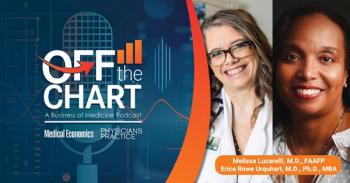
Orthopedic surgeon and author Erica Rowe Urquhart, M.D., Ph.D., MBA, joins Melissa Lucarelli, M.D., FAAFP, for a candid conversation about what's really working against physicians and their patients.

Veradigm’s survey of 360 practice leaders finds operational and financial pressures, not clinical concerns, are the top threats to independence.

Is DPC for you? Hear from physicians who made the switch and found success.
Advertisement
Advertisement
Trending on Medical Economics
1
GLP-1 users report more nail detachment, hair loss than nonusers, study finds
2
Six physician groups push back on claims that AI is better informed than doctors
3
The HIPAA and malpractice risks physicians take on with AI tools
4
‘If you’re not looking, nobody else will’: How coding habits cost practices thousands
5