




Careers
Latest News
Advertisement
Latest Videos

Shorts
1:01
The 'Wizard of Oz' leadership trap
5 months ago
by
Leon E. Moores, MD

1:04
Can AI keep women physicians in the workforce? It may add joy to work
5 months ago
by
Lisa Rotenstein, M.D., MBA, M.Sc.
1:43
The one leadership change you need to make this week
5 months ago
by
Leon E. Moores, MD
1:31
AI is essential to the future of primary care
5 months ago
by
David Carmouche, MD
0:53
Stop using AI for concierge medicine contracts
5 months ago
by
Ericka L. Adler, JD
1:09
Why female physicians reach a ‘breaking point’ in their careers
5 months ago
by
Lisa Rotenstein, M.D., MBA, M.Sc.
0:54
Physician leadership lessons from Apollo 13
5 months ago
by
Leon E. Moores, MD

0:36
Can you survive in direct primary care?
5 months ago
by
Rebekah Bernard, M.D.
1:07
The basis of a study about women doctors leaving medicine
5 months ago
by
Lisa Rotenstein, M.D., MBA, M.Sc.
1:07
The legal risks of marketing 24/7 physician access
6 months ago
by
Ericka L. Adler, JD
Podcasts

Advertisement
More News

Emergency Care Partners’ Kevin Baker explains how physicians can avoid common mistakes when selling a practice and protect value through careful financial, legal and tax strategies.
After years of physician departures and "nuclear verdicts," New Mexico physicians describe how cross-specialty advocacy and patient engagement drove landmark malpractice reform.
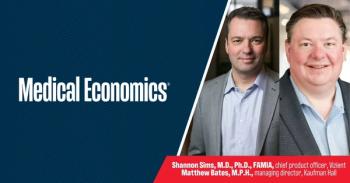
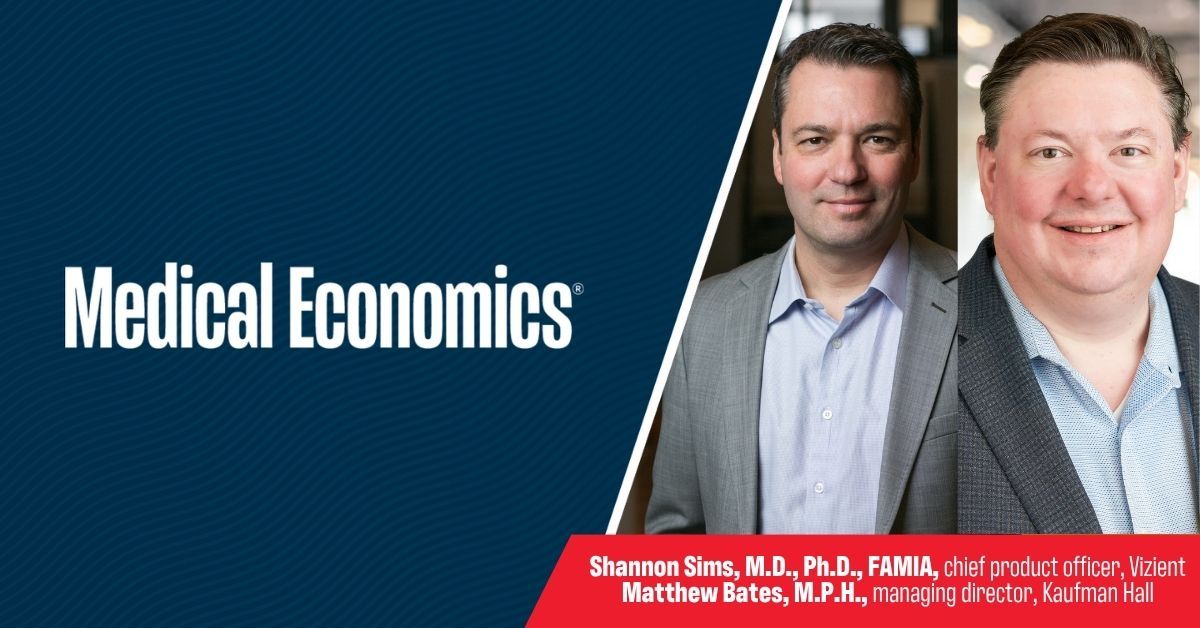
Bates says medicine needs a "quarterback" model for patients with multiple chronic conditions; Sims says without solving access first, no other strategy holds.
Better quality focus and policy pressure are driving down safety events, even as the patients left in hospitals grow more complex.
What physicians should consider when searching for staff and bringing the aboard in 2026.
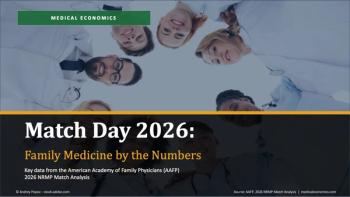
A slideshow with figures from the Match and AAFP.
Ambient listening is going mainstream. Advanced practice providers are filling a physician shortage that isn't going away anytime soon.
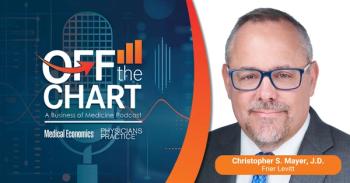
Employment attorney Christopher Mayer, J.D., breaks down what physician practice leaders need to know about AI-driven layoff decisions and the fast-changing landscape for non-compete agreements.

Federal Trade Commission forms Healthcare Task Force to target anticompetitive practices, protect patients.
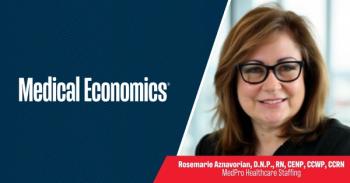
Staffing shortages, rising patient acuity and the spread of AI self-diagnosis tools are all hitting the health care system at the same time.

The results are in: AI is changing the health care workforce forever. Are you ready?
Rosemarie Aznavorian says acuity matters more than ratios, and when patients self-treat before arriving, hospitals need even more nurses to care for them.

ACP position paper outlines how the U.S. health care system's institutional barriers hinder physicians and budding doctors.

Sustainable growth comes from balancing three priorities: patient relationships, financial health, and operational consistency.

Access to care surged 14 points in two years to become the No. 1 policy issue for physicians.
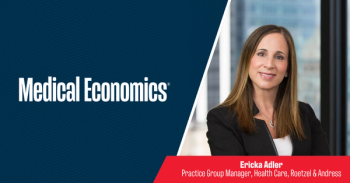
How to transition patients, structure fees and avoid compliance traps.

The top news stories in medicine this week.
Misdiagnosis, contraindicated treatments and missed care are all on the table when AI becomes a patient's first (and only) stop.
Rosemarie Aznavorian, D.N.P., RN, CENP, CCWP, CCRN, says unread lab results, treatment anxiety and simple curiosity are all sending patients to AI — sometimes before their doctor has a chance to weigh in.

WalletHub's annual ranking of all 50 states and Washington, D.C., finds the Midwest and Mountain West leading the pack, powered by strong cost-adjusted pay, affordable malpractice insurance and low burnout rates.

It’s not just burnout when patient numbers increase but doctors are not allowed adequate time and treatments for them.

The largest residency match in history shows a gap that is raising alarms about the long-term primary care pipeline.
Rosemarie Aznavorian, D.N.P., RN, CENP, CCWP, CCRN, says clinicians should be worried about AI. She has one clear piece of advice for how to handle those conversations.
Patients are turning to AI tools across every care setting — and in rural communities, chronic conditions often go undetected until it's too late.
AI self-diagnosis has real upsides, but symptoms that mimic each other can easily send patients down the wrong path.
Advertisement
Advertisement
Trending on Medical Economics
1
AI system outperforms physicians on diagnostic accuracy in Microsoft study
2
Florida's dengue outbreak: What physicians need to know now
3
Pay cuts, payer AI and the staff who keep leaving: What we heard at MGMA's 100th annual conference
4
Your AI scribe is saving you time. Is it also building the case against you?
5