Recommendations to fill gaps in health care.
Recommendations to fill gaps in health care.
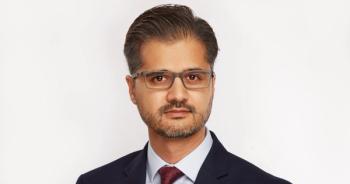
A wide-ranging discussion with CareCloud CEO Hadi Chaudhry on the latest trends, from AI and ChatGPT, to machine learning and digitization.
How did the pandemic effect the mission?
Working with patients as partners in health.
Primary care clinicians are busy, busy, busy.
Analyzing recommendations for preventive care.
Evaluation process sparks public comments.
What does the USPSTF do? Its chairman explains.
Primary care physicians are affected by the USPSTF.
An introduction to the new chair of the U.S. Preventive Services Task Force.
Drivers of health are a major factor creating stress for primary care physicians.

COVID-19 exposed existing problems.

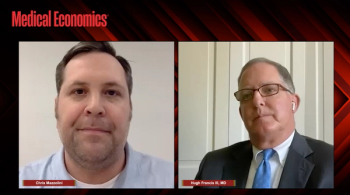
To help patients in need, physicians need connections with resources for assistance.
Start by measuring drivers of health – and here’s how to make it practical.
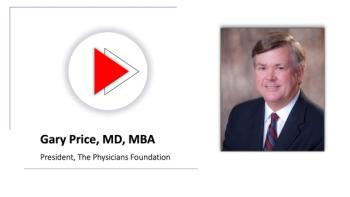
Patients and physicians agree: It’s appropriate to ask about drivers of health.
Getting started measuring drivers of health with CMS’ Universal Foundation.
There’s potential for “a sea of change” in measuring quality of health care.
There’s a financial incentive for keeping patients healthy.
What happens outside the doctor’s office affects patient health.
An introduction to the drivers of health, also called determinants of health or social determinants of health.

Get an action plan, but know that changes take time.

Bonuses help keep APPs.
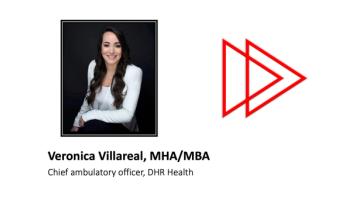
Medical offices are competing with retail and restaurants.
COVID-19 affected physicians, which affected staff.

How a Texas health system added virtual staff.
Change is always hard.
Finding ways to get new local workers.