


Careers
Latest News
Advertisement
Latest Videos
Shorts
0:30
Treating patients, treating people in osteopathic medicine
2 days ago
by
Robert A. Cain, DO, FACOI, FAODME
0:47
How physicians can save millions in taxes
2 days ago
by
Bryan Jepson MD, CFP
1:05
Charting the growth of osteopathic medicine
9 days ago
by
Robert A. Cain, DO, FACOI, FAODME
1:02
Why medical schools fail at financial literacy
10 days ago
by
Michael Jerkins, M.D., M.Ed.
0:52
Why presence is the most powerful tool in medicine
11 days ago
by
Melissa Lucarelli, M.D., FAAFP(+1 more)
0:48
These prior auth numbers will shock you
16 days ago
by
Melissa Lucarelli, M.D., FAAFP
0:43
Find the perfect financial advisor for you
17 days ago
by
James M. Dahle, MD, FACEP
1:33
High touch and high tech: The future of osteopathic medicine with AI technology
24 days ago
by
Robert A. Cain, DO, FACOI, FAODME
0:59
Physicians can afford mistakes — until they can't
a month ago
by
Michael Jerkins, M.D., M.Ed.
0:55
Why traditional physician training isn’t working anymore
a month ago
by
Jerry Penso, M.D., MBA(+1 more)
Podcasts
CME Content


Advertisement
More News
When physicians commit to curiosity and presence, understanding becomes the foundation of treatment.
Physicians should learn to set boundaries to combat burnout and ensure quality care amid ongoing workforce shortages, fostering a healthier health care environment.
Because medical schools, hospitals, and other health care facilities don’t view leadership as a core competency for physicians and don’t train to that competency, costs are felt throughout the health care system
Untangling visa programs health care employers use
A conversation with Greg Grant, COO, Specialdocs Consultants.
A conversation with the leader of the American Association of Colleges of Osteopathic Medicine.
Physicians want artificial intelligence to buy back time, not squeeze in more volume.
A conversation with the leader of the American Association of Colleges of Osteopathic Medicine.
Psychiatrist and Edge co-founder, Rihan Javid, D.O., J.D., explains how rising wages, turnover and labor competition are reshaping physician practices — and why flexibility is becoming essential.

Noncompete opponents seeking nationwide regulation should take their arguments to Congress, FTC chief says.
Acknowledgment, clarity and smart trade-offs matter more than quick fixes.
A conversation with the leader of the American Association of Colleges of Osteopathic Medicine.

FTC hears from physicians, other professionals about restrictions when workers leave or change jobs.
The president of the American Association of Colleges of Osteopathic Medicine describes state of osteopathic medical education.
Economic anxiety is real — but connection determines who stays grounded.
A conversation with the leader of the American Association of Colleges of Osteopathic Medicine.
A conversation with the leader of the American Association of Colleges of Osteopathic Medicine.

FTC begins new discussion on noncompete agreements in work contracts across health care and the general economy.
Economic uncertainty matters, but engagement is the real retention lever.
Token surveys and late-stage consultation undermine trust and lead to worse decisions.
Physicians want input. The problem isn’t apathy — it’s whether leaders are listening and acting.
Medical Economics sat down with Bill Heller, chief operating officer at CHG Healthcare, to discuss the company’s latest survey on why satisfaction alone isn’t enough to retain physicians.
A negative Net Promoter Score doesn’t just reflect morale — it flags loyalty risk physicians can’t ignore.
Physicians trust their direct supervisors far more than executive leadership. Bill Heller explains how visibility and proximity shape credibility.
Highly engaged physicians are far more likely to trust leadership — and Bill Heller says transparency and follow-through matter more than grand strategy.
Advertisement
Advertisement
Trending on Medical Economics
1
How value-based care enables better clinical outcomes, primary care sustainability
2
The state of health care in 2026, with Richard Anderson, M.D., FACP, CEO of The Doctors Company and TDC Group
3
The cyber siege of private practices: Are you at risk?
4
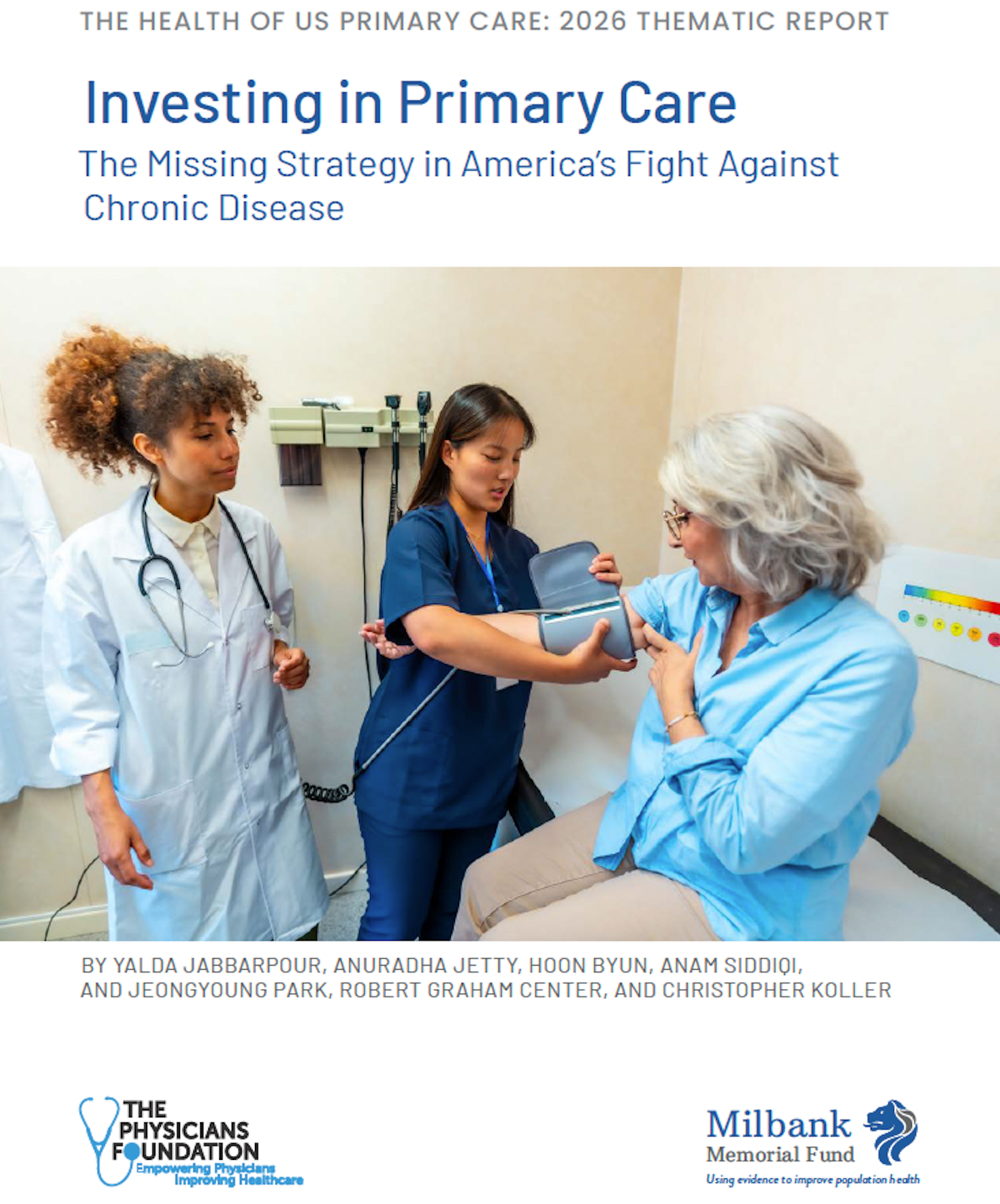
Primary care is ‘the missing strategy’ to combat chronic disease epidemic, analysts say
5