
Fidelity's latest estimate, what Medicare leaves out and how physicians can prepare
Todd Shryock is managing editor of Medical Economics.
Fidelity's latest estimate, what Medicare leaves out and how physicians can prepare

Hiring more people isn't always the solution to a practice's problems. Oftentimes, it's as much about poor systems or processes rather than headcount.

Experian Health's State of Claims survey finds 40% of providers have at least 10% of their claims denied, and only 30% recover most of that lost revenue.

In a new webinar program between Diagnostic Imaging and Medical Economics, Raj Chopra, MD and risk management expert Peter Reilly share their insights on the importance of cybersecurity, keys to effective downtime communication, the ripple effects and costs of security breaches, challenges with AI and practical safeguards.

The AMA and eight other physician groups say a CMS rule narrows a protection Congress wrote for medically frail patients

AI advances promise to automate the mundane administrative tasks for doctors, but will the free time just mean more patients added to the schedule?

An AI system that simulates a panel of physicians reached the correct diagnosis in about 80% of test cases, compared with 36% to 47% for generalist physicians, though researchers caution the results come from a controlled, text-only benchmark rather than real-world practice.

Physicians have embraced ambient documentation faster than almost any technology before it. But every note it writes carries your signature, and lawyers, auditors and patients are starting to read those notes closely.
Coverage confusion could disrupt patient care in 2027

Selling a medical practice is not like selling a house, and the highest price may not be the deal you really want.

A new University of Michigan poll finds most older adults barely review their coverage at open enrollment, and the fallout lands in the exam room and the billing office.
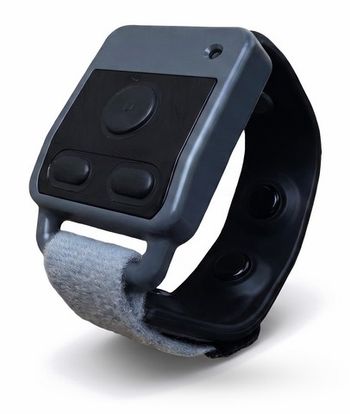
Encora X1, an FDA-cleared wrist device, uses mechanical rather than electrical neurostimulation, giving VA clinicians an option for patients who can't tolerate medication or have implanted electrical devices.

In 590,282 California heart attack hospitalizations, a new PCI-capable facility within a 30-minute drive lowered 30-day mortality 20% in communities without prior access but did not change survival where the procedure was already available.

What a new analysis of federal NPI registry data shows about the rise of nurse practitioner-owned practices

Anthropic researchers ran an AI model across 15 cheap TV boxes and project that small models could spread on their own across poorly secured devices by the end of 2026, raising new questions for practices with networked equipment.

AI is creeping into the diagnostic area of medicine. Will future doctors have the skills to know when it's wrong?

An Oregon Health & Science University-led analysis of nearly 200,000 people found a 20% to 30% higher rate of fatty liver disease and cirrhosis among those who reported eating after dinner or after bedtime.

Health care was the only one of five sectors to cut spending commitments this spring, falling 2.8% as hospitals faced rising supply costs and physicians awaited the final 2027 Medicare fee schedule, Coupa's Business Spend Index found.
News & Analysis
An OpenAI agent's unauthorized trip through an Australian Medicare data portal is a preview of the risks physicians take on as autonomous AI moves into prior authorization, billing and scheduling, and of what practices should demand from the vendors deploying it.

Adding a brief safety reminder cut potentially harmful clinical choices by large language models from 16.6% to 10.1% across more than 10 million responses, but researchers say it doesn't replace physician oversight.

Urban Institute analysis finds 26% of insured adults owe medical debt, with hospitals the largest source
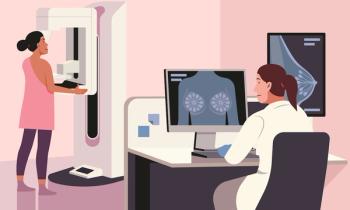
A Hologic survey of 1,000 U.S. women aged 35 to 75 found that a direct recommendation from a physician was the top motivator for overdue patients, while knowledge gaps about cost, radiation and breast density persist.

Cash payments for GLP-1s are on the rise, according to pharmacists surveyed by Buzz Health.

Many new doctors have limited exposure to value-based care, but once they see it in action, their interest level increases.

Patients who received weekly plant-based grocery packages from a primary care clinic's food pantry for an average of 2.7 years saw dose-dependent drops in diastolic blood pressure, weight and BMI, but no significant change in hemoglobin A1c, a Mass General Brigham study found.

EBRI data show employer plans pay hospital outpatient departments about twice what physician offices receive for the same physician-administered drugs, and the commercial market has barely begun to address the gap.
A multinational survey of more than 1,900 patients with type 2 diabetes or obesity, presented at the EADV Congress 2026, found nail and scalp changes that weight loss alone did not appear to explain.

A Monash University study published in Nature Communications finds that an antibiotic resistance gene lets Clostridioides difficile keep forming spores tough enough to withstand hospital-grade cleaning products and high laundry temperatures.

No U.S. state scores even 2 out of 5 on patient sentiment about billing

Perimenopause and menopause requires a careful evaluation of symptoms and also a knowledge of mental health — and knowing when to ask for help from other health care professionals

August 27th 2020
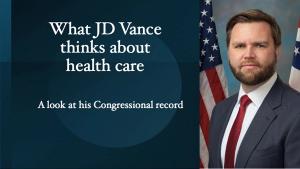
July 16th 2024

January 24th 2026

February 6th 2026