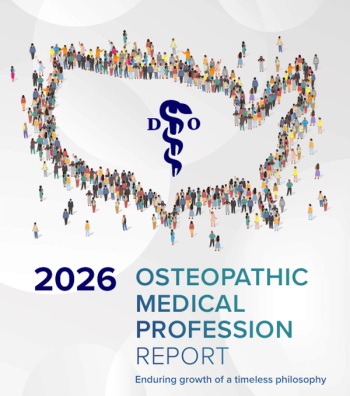
Report: Osteopathic profession leads youth movement as workforce grows across U.S. health care.
SleepRes is introducing the Kricket PAP device, which achieved FDA clearance and is a solution for sleep apnea that enhances comfort and adherence through adaptive pressure technology.
SleepRes Inc. said it has received U.S. Food and Drug Administration clearance for a new positive airway pressure device designed to treat obstructive sleep apnea, a condition that affects millions of Americans and is often undertreated because patients struggle to tolerate existing therapies.
The FDA granted 510(k) clearance for the Kricket PAP device, which uses what the company calls Kairos Positive Airway Pressure technology to treat obstructive sleep apnea in patients weighing more than 66 pounds. The system is cleared for use in home settings as well as hospitals and sleep centers.
Unlike traditional continuous positive airway pressure, or CPAP, machines that deliver a fixed level of air pressure, the Kricket device dynamically adjusts pressure throughout the breathing cycle. The goal is to better synchronize therapy with a patient’s natural breathing and airway changes, potentially reducing discomfort and common side effects associated with PAP therapy. In addition to its adaptive mode, the device also includes standard CPAP and automatic PAP options.
“This milestone marks an important moment for the field of sleep medicine,” said David White, chief medical officer of SleepRes and a professor at Harvard Medical School. “Kricket opens the door to a new category of positive airway pressure therapy that prioritizes comfort, the patient’s ability to adapt, and real-world use, while still delivering the therapy patients need.”
Obstructive sleep apnea is associated with cardiovascular disease, diabetes, stroke, depression and an increased risk of motor vehicle accidents. While CPAP has long been considered the standard treatment, adherence rates remain low, leaving many patients untreated or undertreated.
SleepRes said it plans to launch the device commercially in the first half of 2026 and is preparing to scale manufacturing while building clinical partnerships and education programs.
“FDA clearance of Kricket marks a pivotal moment for patient care in sleep medicine,” said John Lipman, the company’s chief executive officer.
Recent advances in sleep medicine have increasingly focused on one of the field’s most persistent challenges: helping patients stick with therapy over the long term. For decades, continuous positive airway pressure has been the gold standard for treating obstructive
To address those issues, researchers and clinicians have turned their attention to more personalized and adaptive approaches. New generations of PAP
Mask technology has also evolved, with designs that emphasize lighter materials, improved seals and less facial contact. Nasal and minimal-contact masks have gained popularity among patients who find traditional full-face masks claustrophobic or uncomfortable, particularly those who are new to therapy.
Beyond PAP, alternative treatments are gaining traction for selected patients. Oral appliances fitted by trained dental professionals can reposition the jaw to keep the airway open during sleep and are increasingly supported by clinical guidelines for people with mild to moderate disease or those who cannot tolerate PAP therapy. Implantable nerve stimulation therapies, which activate upper airway muscles to prevent collapse, have also expanded treatment options for certain patient populations.
Digital health tools are playing a growing role as well. Remote monitoring platforms allow clinicians to track device usage, mask leaks and residual breathing events, enabling earlier intervention when patients struggle. Educational apps and coaching programs are being used to set expectations, troubleshoot problems and reinforce adherence during the critical first weeks of therapy.
Together, these advances reflect a broader shift in sleep medicine toward patient-centered care. Rather than assuming one solution fits all, the field is increasingly focused on tailoring therapy to individual needs, with the goal of improving both comfort and long-term outcomes for people living with sleep apnea.