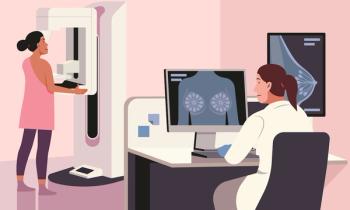
A Hologic survey of 1,000 U.S. women aged 35 to 75 found that a direct recommendation from a physician was the top motivator for overdue patients, while knowledge gaps about cost, radiation and breast density persist.
Smart Meter is launching iDigiTemp, a thermometer that advances remote patient monitoring with real-time temperature readings transmitted over the cellular network, enhancing health care connectivity and reliability.
Smart Meter, a provider of cellular-enabled remote patient monitoring tools, has launched what it calls the first handheld thermometer that operates entirely over cellular networks, eliminating the need for wi-fi, Bluetooth, hubs or smartphone apps.
The device, called iDigiTemp, is designed to capture temperature readings and transmit them in real time through Smart Meter’s secure cellular network, allowing clinicians to monitor patients remotely without relying on a patient’s home internet, wi-fi or personal devices. The company said the thermometer integrates directly with its existing remote patient monitoring platform.
“This marks a defining moment for Remote Patient Monitoring,” said Casey Pittock, CEO of Smart Meter. “As RPM moves from early adoption to mainstream health care, connectivity and reliability are critical.”
Pittock said Smart Meter’s private data network ensures that temperature readings are transmitted securely and in real time, regardless of a patient’s access to internet service or smartphones. “Temperature is a key vital sign that can reveal early changes in a patient’s health, and now, with iDigiTemp, clinicians can act faster and more confidently than ever before,” he said.
According to the company, iDigiTemp delivers temperature readings in about one second with a single button press and can be used for either forehead or ear measurements. The handheld device is designed for patients ages 1 and older and includes a built-in, multi-carrier SIM that automatically connects to the strongest available cellular network.
Smart Meter said the thermometer is ready to use out of the box, requiring no pairing, apps or setup. Temperature data is transmitted immediately to care teams through the company’s RPM platform, providing clinicians with near real-time insight into a patient’s condition.
The launch expands Smart Meter’s portfolio of cellular-connected monitoring devices, which already includes blood pressure monitors, glucose meters, pulse oximeters, weight scales and ambient
Smart Meter said iDigiTemp is intended to support chronic care management, post-acute recovery and infectious disease monitoring by helping providers identify fevers and other changes earlier and intervene sooner.
Remote patient monitoring has evolved rapidly in recent years as health care systems seek to manage growing patient populations outside of traditional clinical settings. Advances in sensor technology, wireless
One of the most significant shifts has been the move away from consumer-grade connectivity, such as Bluetooth and home wi-fi, toward more reliable, medical-grade communication methods. Cellular-enabled devices are increasingly favored because they reduce technical barriers for patients, particularly older adults or those in rural or underserved areas who may lack reliable internet access. By removing the need for hubs, apps or device pairing, newer tools aim to improve adherence and reduce data gaps that can compromise clinical decision-making.
At the same time, the range of physiologic data captured remotely continues to expand. Beyond traditional metrics like blood pressure and weight, modern RPM programs now incorporate oxygen saturation, glucose levels, activity patterns and temperature trends. Continuous or near real-time data streams allow clinicians to detect subtle changes earlier, potentially preventing hospitalizations or emergency visits.
Regulatory and reimbursement developments are also accelerating adoption. New and revised billing codes expected to take effect in 2026 are designed to better reflect how RPM is used in practice, lowering thresholds for clinical time and the number of required readings. These changes are intended to make remote monitoring more accessible for smaller practices while encouraging broader integration into chronic and post-acute care.
Together, these advances signal a shift in RPM from pilot programs to a more permanent role in mainstream healthcare delivery. As technology becomes simpler for patients and more actionable for clinicians, remote monitoring is increasingly seen as a foundational tool for managing chronic disease, supporting recovery at home and identifying emerging health issues before they become critical.