Prior authorization, step therapy and shifting coverage rules keep patients from obesity drugs with proven benefits, an endocrinologist argues — and the long-term savings make the case for broader access.
Accurate detection of LVEDP could improve early detection of heart failure in primary care settings
Ventric Health, a medical technology company focused on earlier detection of
The company announced that outcomes from an FDA validation study of its Vivio System were published online in the Journal of the American Heart Association. The study evaluated the system’s ability to detect heart failure by measuring left ventricular end-diastolic pressure, or LVEDP, which is considered a definitive indicator of heart failure but typically requires an invasive procedure.
“The Vivio System can accurately detect elevated LVEDP and has the potential to significantly improve early detection of HF in the outpatient setting,” the study authors wrote.
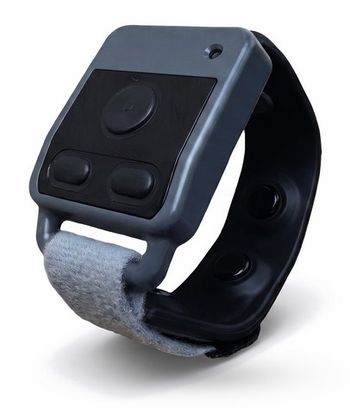
The FDA-approved Vivio System measures LVEDP noninvasively during a five-minute test performed in a single primary care office visit, with the goal of identifying heart failure earlier, before symptoms worsen and quality of life declines.
The study included 728 patients enrolled at eight U.S. sites. Researchers reported the system achieved 80% sensitivity and 83% specificity in detecting heart failure using LVEDP. According to the study, the system demonstrated six times greater sensitivity than echocardiography and twice the sensitivity of B-type natriuretic peptide blood tests, both commonly used noninvasive tools for assessing heart failure.
The system’s algorithm was trained and validated against LVEDP measurements obtained through simultaneous recordings using an indwelling catheter placed in the left ventricle, considered the most accurate method available.
“The Vivio System can accurately detect elevated LVEDP and has the potential to significantly improve early detection of HF in the outpatient setting,” the authors concluded.
They added, “Integrating the Vivio System into routine care pathways may shift HF diagnosis from reactive to proactive management, particularly for individuals with comorbidities such as diabetes mellitus or chronic kidney disease. By identifying patients before HF decompensation occurs the Vivio System may support earlier initiation of guideline-directed medical therapy (GDMT), which can improve outcomes and reduce hospitalizations.”
Additional studies cited by the company showed the system identified previously undiagnosed heart failure patients with elevated LVEDP, including individuals reporting symptoms linked to higher risks of hospitalization and death. Another study found that many patients initially classified as high risk but asymptomatic were reclassified to a more advanced stage after symptom assessment.
Heart failure care has increasingly shifted toward earlier identification and intervention, driven by advances in diagnostics, risk stratification and outpatient monitoring. Clinicians now recognize that elevated cardiac filling pressures often develop well before patients experience overt symptoms such as shortness of breath or fluid retention, creating a critical window for prevention.
Noninvasive
At the same time, advances in data analytics and algorithm-based interpretation of physiologic signals have improved diagnostic accuracy. These tools aim to reduce reliance on invasive procedures while still capturing information that closely reflects cardiac filling pressures and overall heart function.
Guideline-directed medical therapy has also expanded in recent years, with multiple drug classes shown to slow disease progression, reduce hospitalizations and improve survival when initiated early. Identifying patients before decompensation makes it more feasible to start and optimize these therapies in an outpatient setting.
Patient-reported outcomes are increasingly incorporated into heart failure assessment as well. Short, validated questionnaires measuring symptoms and functional status help clinicians detect deterioration that may not yet be apparent on imaging or lab tests.
Together, these advances reflect a broader move toward proactive, population-level heart failure management. By combining noninvasive physiologic assessment, symptom tracking and earlier use of proven therapies, clinicians hope to reduce the burden of hospitalizations while improving long-term outcomes for patients at risk of heart failure.