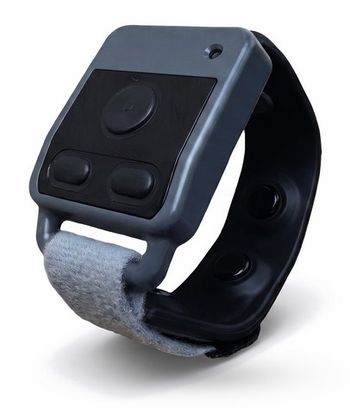
Encora X1, an FDA-cleared wrist device, uses mechanical rather than electrical neurostimulation, giving VA clinicians an option for patients who can't tolerate medication or have implanted electrical devices.
Blood-based diagnostic aims to reduce unnecessary prostate biopsies and improve cancer risk assessment.
The U.S. Food and Drug Administration has approved
The approval, granted through the agency’s Premarket Approval pathway, is supported by results from a large prospective clinical study at 14 U.S. sites as well as additional analytical validation data, the company said.
“FDA approval of our IsoPSA kit marks a significant milestone in Cleveland Diagnostics’ mission to help physicians and patients detect cancer early when it is most treatable and survivable,” said Arnon Chait, PhD, the company’s president and CEO.
IsoPSA is designed to address longstanding challenges with
“As a practicing urologist, I see firsthand how the limitations of current PSA testing can lead to unnecessary procedures and anxiety for patients and appreciate the critical need for early and accurate risk assessment and testing,” said Aaron Berger, MD. “IsoPSA represents a meaningful advancement, giving physicians a tool that improves risk assessment and helps us make more informed biopsy decisions with greater confidence.”
Eric Klein, MD, emeritus chair of the Glickman Urological & Kidney Institute at Cleveland Clinic, said the approval “underscores the value and clinical utility of IsoPSA in distinguishing benign elevations of PSA from those due to high grade cancer.”
Imaging technologies have also advanced significantly. Multi-parametric MRI has become an important tool in pre-biopsy evaluation, offering improved visualization of suspicious lesions and enabling more targeted sampling. This shift toward imaging-guided assessment has reduced reliance on systematic biopsies, which historically risked missing significant tumors or over-sampling benign tissue. Alongside MRI, newer tracers used in PET imaging have expanded clinicians’ ability to identify cancer spread earlier and with greater precision.
Risk-stratification models are gaining sophistication as well. These tools integrate clinical factors—such as age, family history and PSA kinetics—with imaging findings and biomarker data to provide a more personalized assessment of cancer likelihood. The goal is to better inform decisions regarding biopsy, surveillance or treatment. As machine-learning techniques evolve, some researchers are leveraging algorithms to analyze patterns across large datasets, potentially improving prediction accuracy beyond traditional methods.
Additionally, minimally invasive sampling techniques are being studied as alternatives to conventional transrectal biopsies. Transperineal approaches, for example, may help lower infection risk and improve access to certain regions of the prostate. Meanwhile, advancements in liquid biopsy research are offering early glimpses into future diagnostic options that may rely on circulating tumor cells or DNA fragments to detect cancer activity.
Collectively, these developments reflect a broader shift toward precision diagnostics—aiming to identify dangerous cancers earlier while sparing patients from procedures unlikely to provide benefit.