

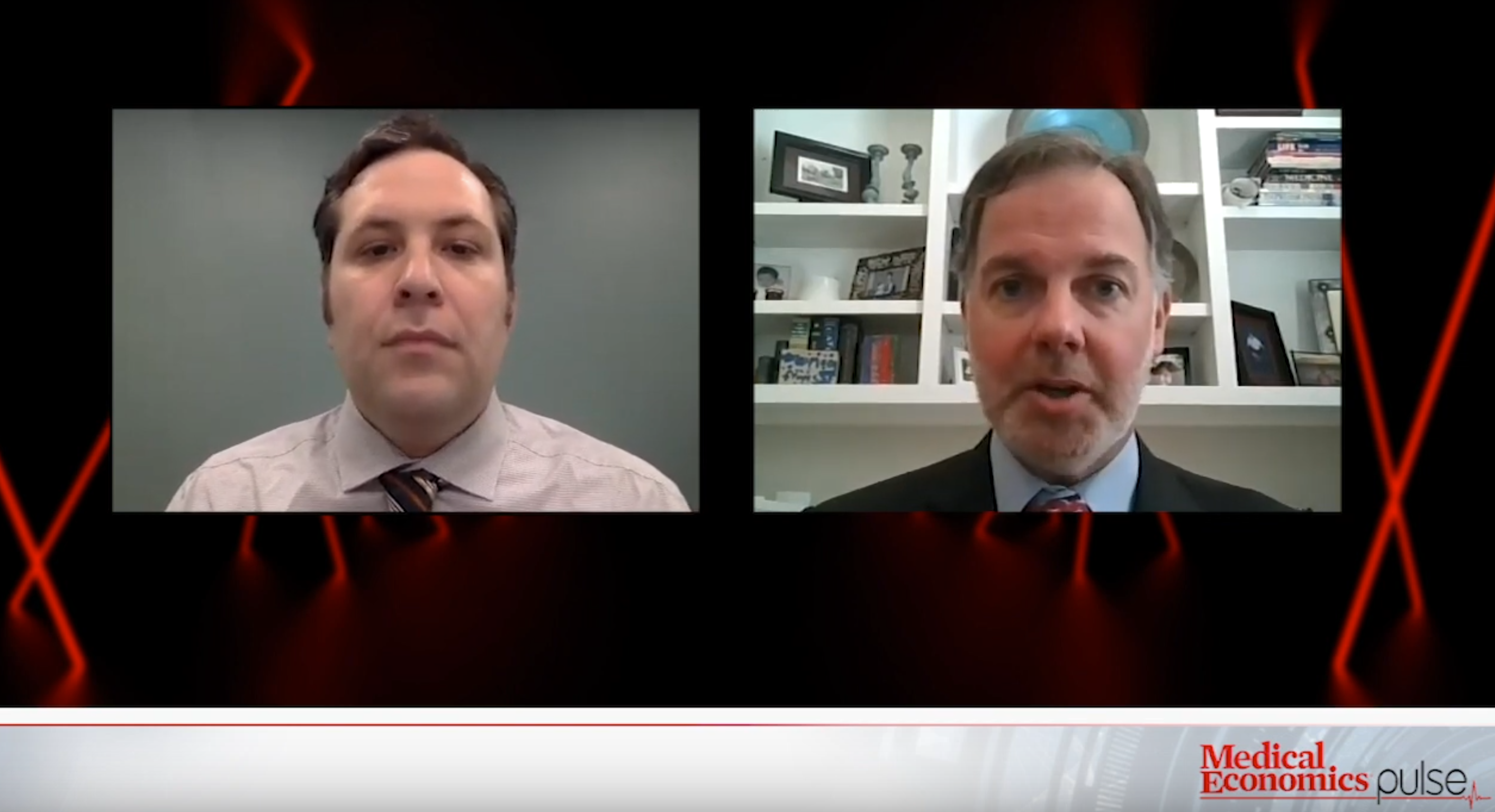





Russell Libby, MD, says a wide variety of resources are available to help practices find the platform best suited to their needs.
Russell Libby, MD, says a wide variety of resources are available to help practices find the platform best suited to their needs.

One-fourth of new prescriptions are never filled — and even when filled, up to 50% of patients with chronic conditions fail to take their medications as prescribed.

Code it right, get paid.

Here are three key government mandates taking effect in 2021 that physicians should be preparing for.
Russell Libby, MD, says telehealth offers the possibility of easier access to care for patients.

This would make concessions implemented due to the COVID-19 coronavirus pandemic permanent.

Jon Regis, MD, explains how he set up a virtual office using remote patient monitoring to help his practice thrive during the COVID-19 pandemic and into the future.

Telehealth has many benefits, especially during the COVID-19 pandemic.

There are huge opportunities to transform care in rural areas, but problems remain.
Working out technology issues is important for a positive patient experience.
What impact will telehealth have on patient outcomes and physician reimbursement? Jeremy Gabrysch, MD, CEO of Remedy, discusses telehealth and other changes in health care.

Will telehealth’s proven success through the pandemic be enough to engrain it into the system?

Physicians face many obstacles in their quest to provide quality care to patients. Imagine if other professions had to deal with some of the same challenges.

Many patients have never used telemedicine before. Here’s how to help them out.

Kurt Stange, MD, says many physicians find they have to work harder to project their humanity to patients during virtual visits than when they see them in person.

With institutions focused on COVID, hackers see the distraction as an opportunity

Your system already has capabilities that can help.
Kurt Stange, MD, says that telehealth visits can provide useful insights into patients’ home environments.

For an increasingly sophisticated, global community of cybercriminals, health care pays - both figuratively and literally.
Kurt Stange, MD, says that demonstrating respect for patients and asking what’s going in their lives is helpful even in the context of a brief telehealth visit.

Here’s what we’ve learned about telehealth best practices from those that have been the most successful.
eConsults are especially vital during the COVID-19 pandemic.

The pros and cons of each approach to handling IT staff

Population health means a patient’s long-term health matters as opposed to treating each sick patient as an isolated transactional episode.

The coronavirus pandemic has also revealed valuable lessons to help us navigate these turbulent times.