







As much as 20 percent of all medical visits in 2020 will be conducted by telehealth.
As much as 20 percent of all medical visits in 2020 will be conducted by telehealth.
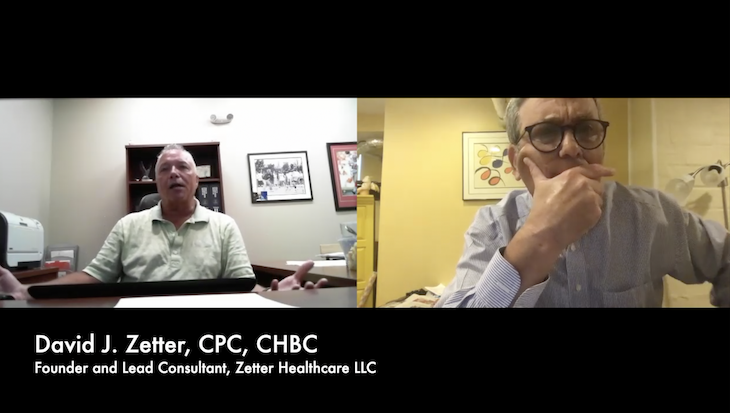
David Zetter, founder of Zetter HealthCare LLC, says practices need to closely monitor their payers’ requirements for telehealth billing, because they are changing constantly.

Finding the telemedicine platform that is the right fit.

Don’t worry, AI probably won’t replace the doctor any time soon

While we take stock of successes and failures, we are once again reminded that the US healthcare system isn’t built for everyone.


The seriousness of the situation will help determine whether you should give in and pay or not.

Sending text messages to your patients can be a helpful way to open communication lines.
Notify the authorities and lock down devices.
A three-pronged strategy focused on people, process, and technology is vital.

Joseph Kvedar, MD, president of the American Telemedicine Association, breaks down what physicians can expect for future telehealth payments and regulations.
Tried-and-true tactics are still working for cybercriminals.

In this installment of Five Minute Practice Fix, Neil Baum, MD, explains how physicians should handle telehealth appointments with patient in a courteous manner.
Each group has its own set of goals, but you have to defend against all of them.

The partnership includes a $100 million investment in Amwell.
Share your insights on EHRs, telehealth and other technology.
COVID has proven the perfect distraction for hackers to take advantage of overtaxed health care facilities.

The call comes in a letter addressed directly to President Donald J. Trump.

Physicians can use EHRs to dramatically increase their efficiency.

How can physicians help senior patients feel comfortable using telemedicine?

While many doctors have benefitted, there’s one key component that’s still missing.

EHRs can offer a wider range of services through telemedicine.
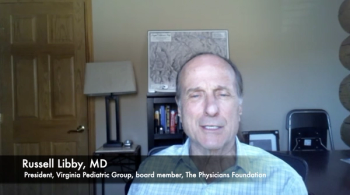
Russell Libby, MD, says both doctors and patients will want to continue enjoying the benefits of telehealth after the pandemic is over.
Russell Libby, MD, says the Physicians Foundation is constantly reassessing how to help doctors implement and benefit from telemedicine.
What will the post-COVID-19 health care landscape look like?